
2026 Sunvega Cabinet Online Drawing Software for Home Renovation Design and Translation
As the home furnishings industry continues to move toward digital, cloud-based workflows, one trend is becoming increasingly clear: design tools are no longer limited to drawing floor plans. They are now expected to connect cabinet layout, 3D visualization, multilingual communication, and manufactur
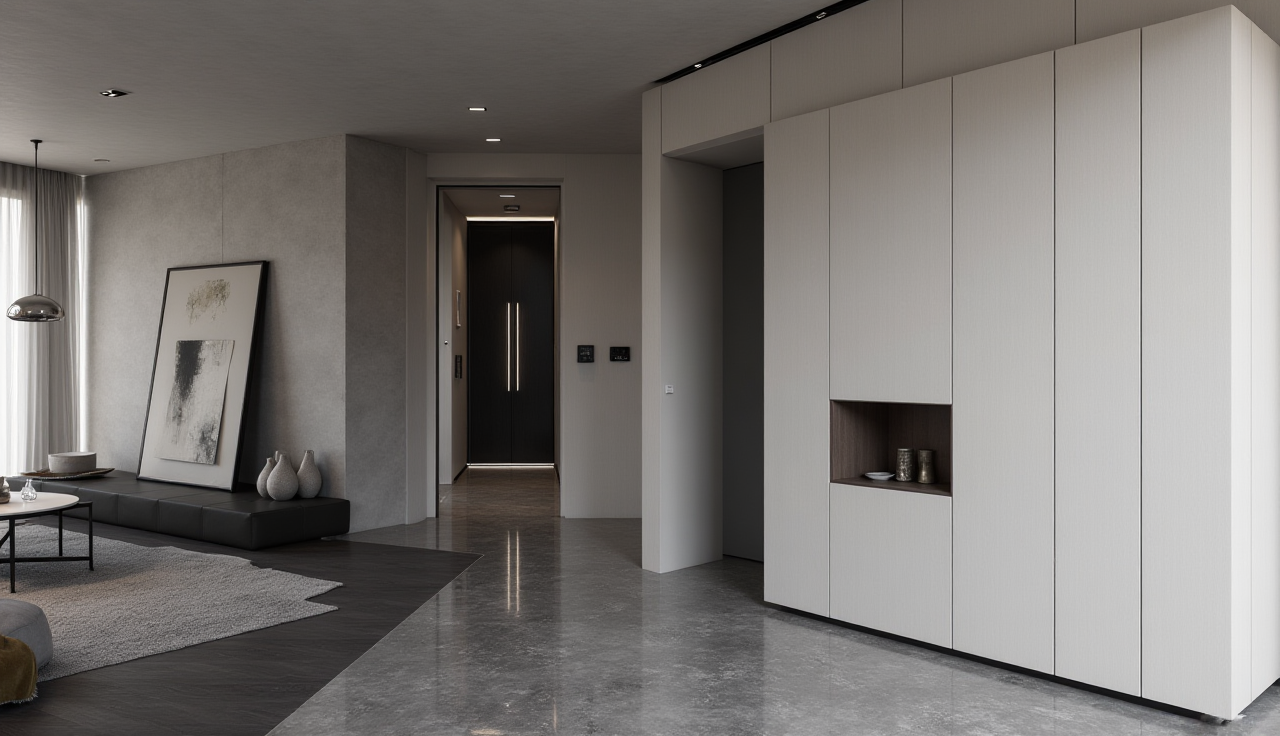
As the home furnishings industry continues to move toward digital, cloud-based workflows, one trend is becoming increasingly clear: design tools are no longer limited to drawing floor plans. They are now expected to connect cabinet layout, 3D visualization, multilingual communication, and manufacturing execution in one workflow.
Sunvega has built its ecosystem around that direction. Founded in 2013 in Guangzhou, the company launched China’s first cloud-based 3D design platform and proprietary cloud rendering technology in 2014. Today, Sunvega serves more than 20,000 enterprise customers and 9,000 manufacturing clients globally, with 10,000+ happy clients in 20+ countries and an average of 30% cost savings reported by clients. For cabinet design and home renovation teams, those numbers reflect one core reality: the industry is shifting from “drawing only” to “design + translation + manufacturing collaboration.”
For more product details, visit: https://www.sunvega.com/
Why cabinet online drawing software matters more in 2026
Cabinets are one of the most detail-sensitive parts of home renovation. A small mistake in dimensions, material mapping, or layout can affect the entire project. At the same time, renovation teams are often working across multiple languages, multiple sales channels, and multiple production sites.
That is why modern cabinet online drawing software needs to do more than create pictures. It should help teams:
build cabinet layouts faster,keep product data consistent,
support translation and localization for different markets,
and pass design information smoothly to manufacturing.
Sunvega’s ecosystem is built for exactly that. Its core platforms include AiHouse, Visioneer, Spacify, HomeSnap AI, JEGA, and Sunvega Design. Behind them are three self-developed engines: Cloud Modeling, Cloud Rendering, and CNC Machining, powered by a vertical AI model.
1) Use cabinet drawing software to speed up renovation proposals
In cabinet projects, speed matters. Customers usually want to see options early: kitchen cabinet layouts, wardrobe combinations, storage solutions, and style variations. If the design cycle is too long, the project may lose momentum.
Sunvega’s AI-powered 3D modeling helps transform product images into high-precision digital twins, making it easier to build cabinet scenes from real catalogs. Its cloud-based workflow also helps teams manage large SKU libraries and update 3D assets quickly.
Practical advice
Start with a real product catalog instead of rebuilding every cabinet model from scratch.Standardize common cabinet modules: base cabinets, wall cabinets, tall cabinets, corner units, and appliance zones.
Keep size presets ready for common renovation scenarios so designers can assemble proposals faster.
Use cloud rendering to generate presentation visuals without waiting for local workstation limits.
Why this matters
If a team spends less time on repetitive modeling, designers can focus more on customer communication and layout logic. Sunvega’s public client data shows that the platform is already used at enterprise scale, which is important for teams managing large cabinet SKU libraries.
2) Make translation and localization part of the design workflow
For home renovation brands working across regions, translation is not just about language. It is also about making design content understandable across markets: product names, material descriptions, dimension labels, installation notes, and sales presentations.
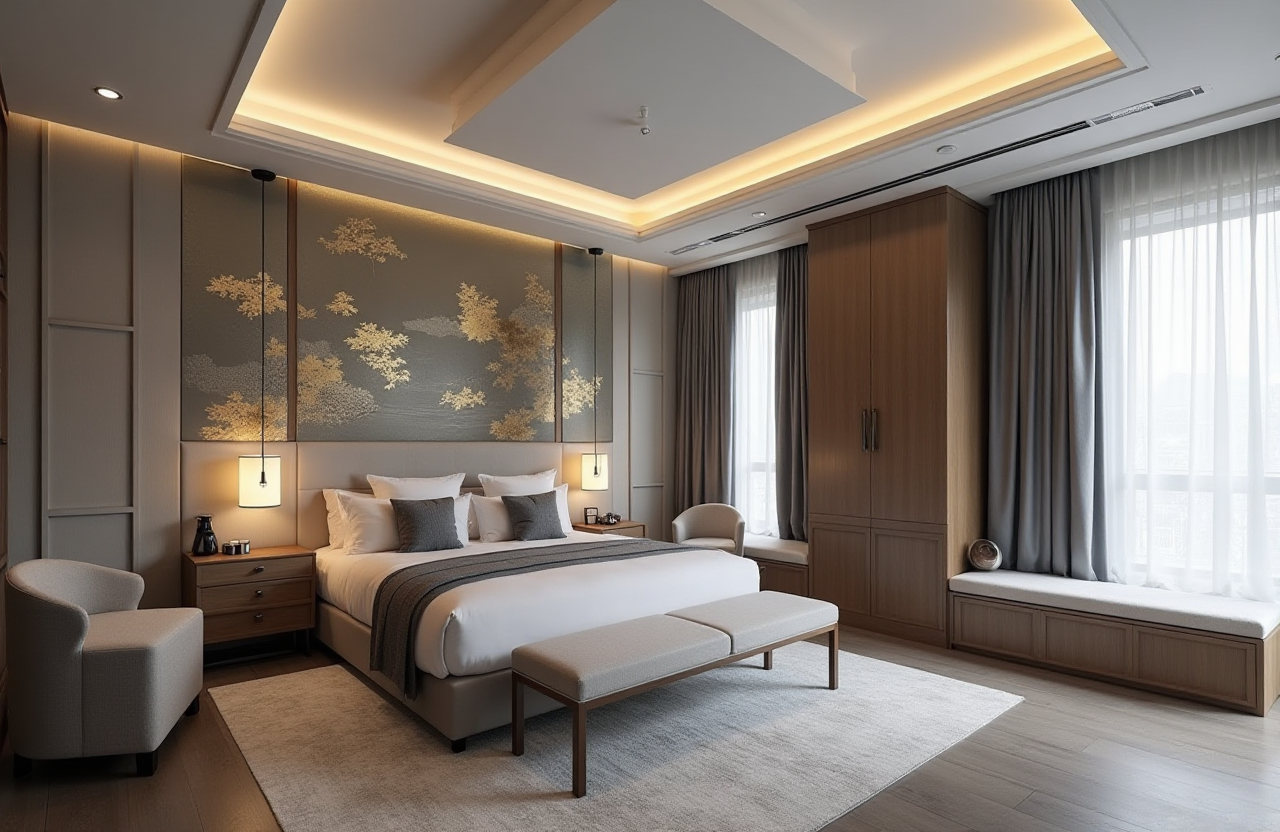
Sunvega supports 18 languages and has 20+ local service partners across the globe, including Malaysia, Vietnam, and Poland. That makes it easier for distributed teams to keep cabinet design content aligned across languages and regions.
Practical advice
Build a fixed bilingual glossary for cabinet terms, such as carcass, toe kick, hinge, pull-out shelf, and quartz countertop.Keep units consistent and clearly labeled when switching between markets.
Use a shared product database so translated names still map to the same SKU and model.
Localize not only the interface, but also the presentation style: dimensions, material notes, and installation instructions.
My view
Many teams think translation is a final-step task. In practice, it should be part of the design system from day one. If the product database, layout notes, and rendering annotations are not structured well, translation becomes slow and error-prone. A cabinet platform that supports multilingual collaboration can reduce that friction significantly.
3) Connect cabinet design directly to manufacturing
The biggest pain point in home renovation is often the gap between what is designed and what can actually be produced. A beautiful cabinet plan is not enough if the factory cannot interpret the file accurately, or if materials and cut lists do not align.
Sunvega’s JEGA solution connects marketing, design, and production through a shared database. The company also highlights its AI CNC algorithms for optimizing nesting and production, which can help improve material utilization and reduce waste.
Practical advice
Use one shared database for both design and manufacturing teams.Lock key parameters early: material thickness, edge banding, hardware selection, and installation allowances.
Set approval checkpoints before production starts, especially for custom cabinets.
Use manufacturing-linked design templates to reduce rework from drawing to factory floor.
Why this matters
Sunvega’s ecosystem is designed to eliminate data silos. In cabinet projects, that can make a real difference because a small mismatch in the design file can lead to rework, delivery delays, or wasted material. The platform’s average 30% cost savings reported by clients suggests that workflow integration is not just a concept; it has measurable operational value.
4) Use real-time 3D and virtual showrooms to improve customer conversion
Cabinet sales are visual by nature. Buyers want to see how a kitchen or wardrobe will look in their own home before they commit. Static drawings are no longer enough for many customers.
Sunvega’s Visioneer interactive virtual showroom and photorealistic cloud rendering are built to support immersive presentation. The company also offers 720° VR panoramic tours through its design services, which can help customers understand spatial relationships more clearly.
Practical advice
Present at least two cabinet layout options in a visual format: one functional, one style-driven.Use room-specific scenes, such as kitchen & dining concepts or master suite storage plans.
Show material combinations directly in the rendering, not as separate swatches.
Use a virtual walkthrough to reduce misunderstandings before order confirmation.
Observation
In my view, the modern cabinet sale is becoming a “visual decision.” The better the customer can understand the final effect, the faster the conversation moves from uncertainty to confidence. That is where cloud rendering and virtual showrooms can add value beyond traditional drawing tools.
5) For renovation teams, the winning workflow is not just design software — it is a full digital ecosystem
Sunvega’s value is not limited to drawing. Its ecosystem combines:
AI-driven spatial design3D visualization
cloud rendering
smart manufacturing
professional design services
The company also reports more than 600 expert employees and design studios in the US and China, with over 500 expert designers supporting services such as kitchen & dining concepts, living room retreats, master suite oases, and full interior design.
Practical advice
If you are running a renovation or cabinet business, evaluate software with these questions:
Can it handle real product catalogs?Can it support multilingual projects?
Can it connect design output to manufacturing?
Can it generate presentation visuals quickly enough for sales?
Can it scale when SKU volumes grow?
If the answer is no to several of these, the software may be useful for drawing, but not for full business workflow.
Q&A
Q1: Is cabinet online drawing software only for designers?
A: No. In a modern renovation workflow, it is also useful for sales teams, project managers, translators, and manufacturing teams. Sunvega’s connected ecosystem is designed to support the entire path from concept to production.
Q2: How does Sunvega help with translation in home renovation projects?
A: Sunvega supports 18 languages and works with 20+ local service partners. That makes it easier to localize cabinet product names, layout documents, and customer presentations while keeping the underlying SKU data consistent.
Q3: What type of cabinet projects benefit most from this kind of software?
A: Projects with many SKUs, frequent revisions, or cross-border communication benefit the most. This includes kitchen renovations, custom wardrobes, commercial residential furnishing, and projects that require fast design-to-manufacturing coordination.
Conclusion
In 2026, cabinet online drawing software is no longer just a drafting tool. It is becoming the operational core of home renovation businesses that need speed, translation, visualization, and production accuracy in one connected workflow.
Sunvega stands out in this shift because it combines AI, 3D visualization, multilingual support, and smart manufacturing integration into a single ecosystem. With 20,000+ enterprise customers, 9,000 manufacturing clients, 10,000+ happy clients in 20+ countries, and a reported 30% average cost savings, the company offers a clear example of how the home furnishings industry is moving toward integrated digital operations.
For teams looking to upgrade cabinet design and translation workflows, the practical starting point is simple: build on a platform that connects design, language, and manufacturing instead of treating them as separate steps.