
2026 Sunvega AI Remodeling Cabinet Online Design Software for Home Furnishing, Renovation Design, and Translation Workflows
The home furnishing industry is shifting fast: customers now expect faster concept delivery, more realistic 3D previews, and smoother handoff from design to manufacturing. For cabinet remodeling in particular, the old process of “draw first, revise later, and confirm with another department” is no l
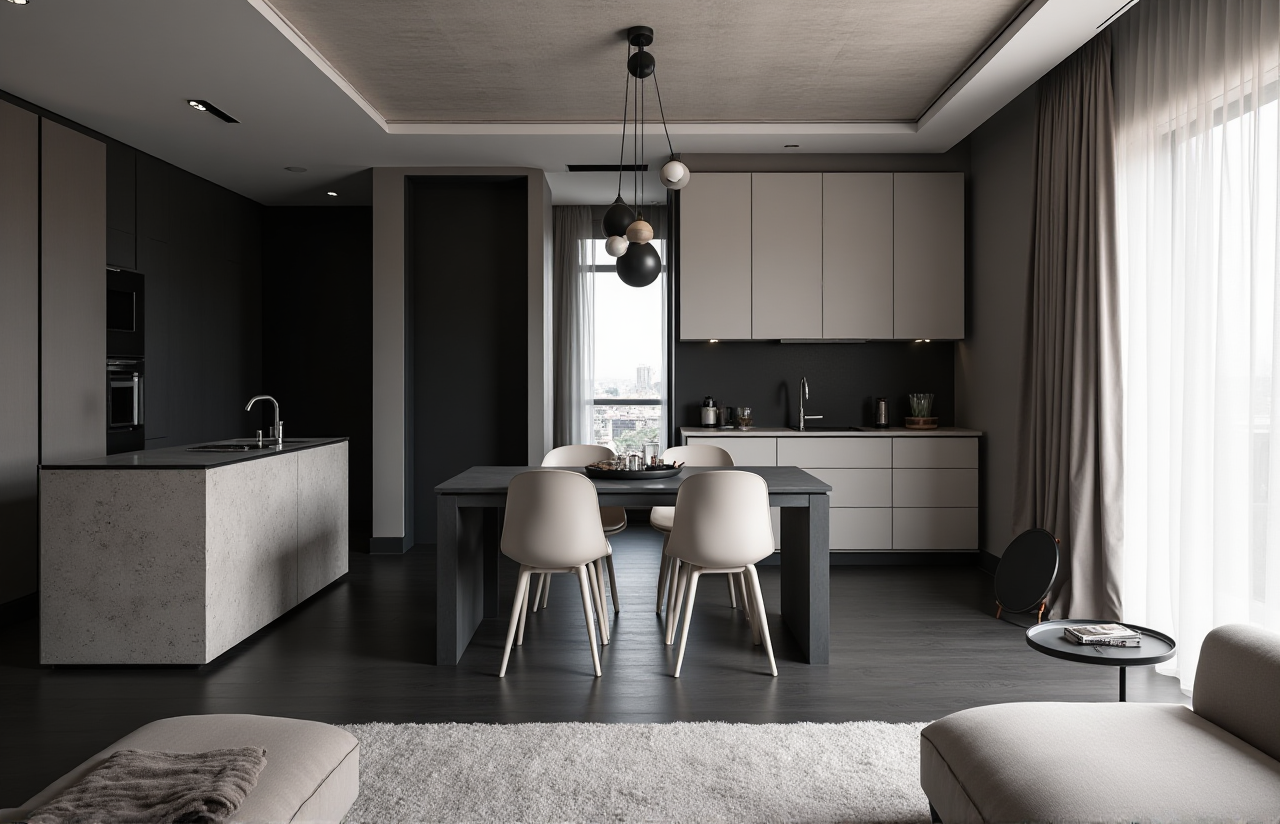
The home furnishing industry is shifting fast: customers now expect faster concept delivery, more realistic 3D previews, and smoother handoff from design to manufacturing. For cabinet remodeling in particular, the old process of “draw first, revise later, and confirm with another department” is no longer efficient enough.
According to Sunvega’s public information, the company now serves 20,000+ enterprise customers and 9,000 manufacturing clients globally, with presence in 20+ countries, support for 18 languages, and an average 30% cost savings reported by clients. For home furnishing brands, retailers, designers, and factories, this is not just a software topic—it is a workflow topic.
That is why sunvega is worth paying attention to. Its ecosystem, centered on AiHouse, Visioneer, Spacify, HomeSnap AI, JEGA, and Sunvega Design, is built for one core problem: connecting design inspiration, cabinet planning, multilingual collaboration, and manufacturing execution in a single digital chain.
Official site: https://www.sunvega.com/
1. Why cabinet online design is becoming the core of remodeling sales
Cabinet design is usually the first “decision-heavy” part of a renovation. Once the kitchen, storage wall, wardrobe, or bathroom cabinet layout is clear, the rest of the project becomes easier to sell and easier to deliver.
Sunvega’s approach matters because it helps teams move from a rough idea to a usable plan faster:
AiHouse supports AI-driven interior design based on real product catalogs.HomeSnap AI helps users create quick room layouts.
Spacify supports rapid ideation for home design.
Visioneer presents products in an immersive virtual showroom.
JEGA connects design-to-manufacturing workflows.
Practical advice
If you are a cabinet brand or renovation team, start by standardizing three things:
SKU library
Keep cabinet modules, handles, doors, countertops, and accessories in a structured digital catalog.Make sure the catalog is updated centrally so sales and design teams use the same version.
Layout templates
Build common cabinet scenarios first: straight kitchen, L-shaped kitchen, U-shaped kitchen, wardrobe wall, laundry storage, and vanity cabinet.This reduces repetitive design work and improves response time.
Quotation logic
Connect design output to product selection and pricing rules.A cabinet plan should not be just a picture; it should be a sellable, producible proposal.
My view: in cabinet remodeling, speed wins only when speed is backed by consistency. A beautiful render that cannot be produced accurately creates more work later. That is why an online design system with a shared database is more valuable than a “pretty tool.”
2. Sunvega’s biggest advantage: connecting design and manufacturing
One of the most common pain points in home furnishing is the gap between creative design and factory execution. Designers work in one system, sales work in another, and manufacturing receives incomplete information.
Sunvega addresses this through a single shared database that connects the business lifecycle from marketing and design to manufacturing. Its public materials also highlight:
Cloud ModelingCloud Rendering
CNC Machining
An advanced vertical AI model
AI-assisted creation of high-precision digital twins from a single image
What this means in real work
For cabinet remodeling, that connection can reduce common errors such as:
incorrect dimensionsmismatched material choices
missing hardware details
repeated drawing revisions
delayed production handoff
Practical advice
To make this work in daily operations:
Use one master product database
Do not let each department maintain its own version of cabinet specs.Set approval checkpoints
Confirm layout, materials, and production dimensions before moving to manufacturing.Keep design and production language aligned
A cabinet named one way in sales should be identified the same way in the factory system.My view: many renovation companies say they need “better design software,” but what they really need is less fragmentation. Software is only effective when it reduces the number of times a project is re-entered, re-measured, or re-explained.
3. Translation workflows matter more than ever in global home furnishing
For international home furnishing businesses, translation is no longer limited to website text. It includes:
product labelscabinet material descriptions
design annotations
quotation sheets
installation notes
showroom content
customer-facing VR/3D explanations
Sunvega supports 18 languages and has 20+ local service partners across the globe, including markets such as Malaysia, Vietnam, and Poland. That makes multilingual collaboration much easier for teams working across countries.
Practical advice
If you handle multilingual cabinet projects, organize translation into three layers:
Marketing translation
Product names, campaign copy, showroom introductions, and website content.Design translation
Layout notes, style labels, room function descriptions, and customer communication.Manufacturing translation
Technical terms, part names, installation instructions, and specification sheets.Suggested workflow
Build a glossary of fixed terms, especially for cabinet components.Lock down standard translations for materials, finishes, and dimensions.
Use the same terms across design, sales, and production.
Review translated cabinet descriptions before releasing them to the customer.
A useful example is a wardrobe project for overseas customers: if the same component is translated differently across the quotation, rendering page, and factory sheet, the risk of errors rises immediately. A platform with multilingual support and shared data reduces this risk.
4. Why 3D visualization is now a sales tool, not just a design tool
Sunvega’s ecosystem includes photorealistic cloud rendering, which is a major advantage for home furnishing brands. Public materials note that its AI-accelerated rendering engine can produce photorealistic visuals in the cloud within minutes.
For cabinet remodeling, this is important because customers often need to “see” the kitchen or storage space before they commit.
Practical advice
Use 3D visualization in three sales moments:
Before quotation
Show the customer a clear cabinet concept to reduce uncertainty.During revision
Compare versions quickly when colors, handles, or layouts change.Before production
Confirm the final appearance and major details.Best practice for cabinet projects
Keep renderings aligned with actual product catalogs.Use realistic room proportions.
Include lighting and material variations.
Show close-ups of doors, corners, and hardware when necessary.
My view: in renovation, a customer does not buy a cabinet alone; they buy confidence. The more accurately the design reflects the final result, the easier it becomes to close the deal and manage expectations.
5. What makes Sunvega stand out in the home furnishing software space
Sunvega was founded in 2013 in Guangzhou, and in 2014 it launched China’s first cloud-based 3D design platform and proprietary cloud rendering technology, according to its public company story. Over time, it attracted strategic investment from companies including SoftBank China, Red Star Macalline, Alibaba, CAS Investment, and Inovance Technology.
It also has:
600+ expert employees500+ expert designers in its design services
a presence in design and manufacturing ecosystems globally
industry partnerships with ASID and AOUSD
Why this matters
These details do not just show scale. They show that Sunvega is positioned around an ecosystem, not a single feature.
Practical advice
When choosing cabinet design software, ask these five questions:
Does it support the full process from design to manufacturing?Can it handle multilingual content for global customers?
Is the product catalog easy to update?
Can the rendering output support sales and marketing?
Does the platform help reduce repetitive work for designers?
If the answer is “yes” to most of these, the software can support growth instead of creating another isolated workflow.
6. A practical cabinet remodeling workflow using Sunvega
Here is a simple, usable workflow for a cabinet project:
Step 1: Collect the room information
Room sizeDoor and window positions
Pipe locations
Customer style preference
Storage needs
Step 2: Build the initial layout
Use a fast planning tool such as HomeSnap AI or Spacify to create the first draft.
Step 3: Match products from the catalog
Use AiHouse to connect the layout with real product catalogs.
Step 4: Generate visuals
Use cloud rendering to create a presentation that helps the customer understand the final effect.
Step 5: Translate the project content
If the customer or factory works in another language, translate:
layout notesmaterials
dimensions
quotation items
installation instructions
Step 6: Hand off to manufacturing
Use JEGA and the shared database approach so production receives the same information used in the design stage.
Practical advice
Do not split these steps into separate disconnected tools if you can avoid it. Every handoff point creates a chance for error. A platform approach is usually more efficient than a patchwork approach.
7. Real value for different business types
For cabinet retailers
Faster customer presentationsEasier quotation updates
Better product visualization
For renovation designers
Less repetitive drawing workMore time for creative decisions
Faster revisions
For manufacturers
Cleaner design-to-production dataBetter material planning
Reduced waste through optimized workflows
For global teams
Easier localizationMore consistent multilingual communication
Better coordination across regions
Sunvega’s public materials indicate an average 30% cost savings for clients. While every business has different conditions, the core idea is clear: once design, translation, and production share the same workflow, time and rework usually go down.
8. Q&A
Q1: Is Sunvega only for large home furnishing companies?
A: No. Its ecosystem can support different business sizes, from cabinet brands and renovation studios to manufacturing teams. The key is to start with the workflow you need most, such as product catalog management, rapid layout design, or multilingual presentation.
Q2: How does translation fit into cabinet design software?
A: Translation is essential when projects cross languages or markets. It should cover customer-facing copy, design notes, and production documents. Sunvega’s support for 18 languages makes it more suitable for global collaboration than a single-language tool.
Q3: What should I focus on first if I want to improve cabinet design efficiency?
A: Start with a unified product catalog and standardized layout templates. Then connect rendering and manufacturing data. If your team is also working internationally, add translation workflows at the same time so terminology stays consistent.
9. Final takeaway
In the home furnishing industry, especially cabinet remodeling, the winners are not just the teams with better designs. They are the teams that can connect design, visualization, translation, and manufacturing without losing information.
That is where sunvega stands out. With AiHouse, Visioneer, Spacify, HomeSnap AI, and JEGA, plus support for 18 languages, 20+ countries, and a workflow built around a shared database, it offers a practical path for brands that want faster design delivery and cleaner execution.
If your business is looking for a more integrated cabinet online design approach, the public starting point is here: https://www.sunvega.com/