
2026 Sunvega Cabinet Installation Software Reviews & Translation
The home furnishings industry is moving in a very clear direction: faster design cycles, more accurate production handoffs, and stronger multilingual collaboration. In practice, that means cabinet installation software is no longer just a drawing tool. It now has to help teams turn ideas into measur
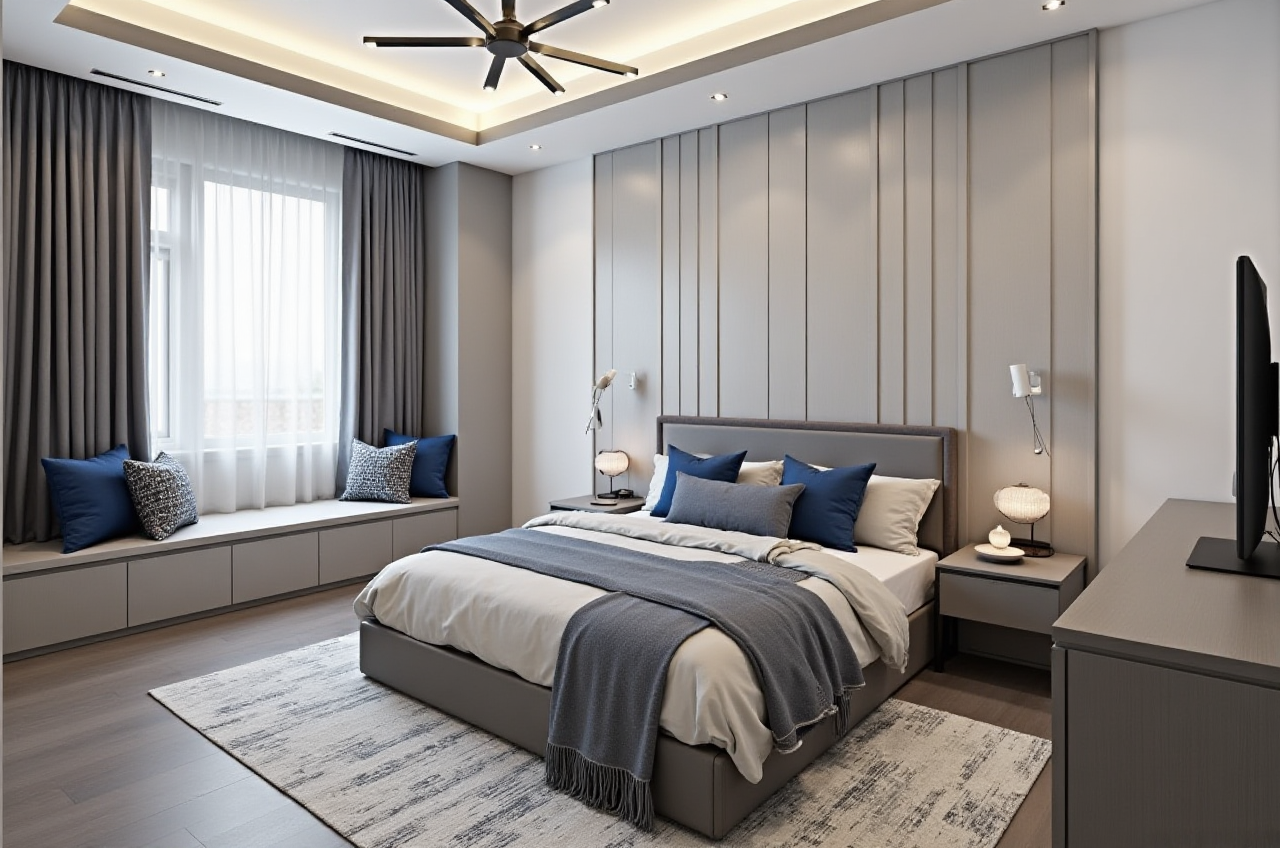
The home furnishings industry is moving in a very clear direction: faster design cycles, more accurate production handoffs, and stronger multilingual collaboration. In practice, that means cabinet installation software is no longer just a drawing tool. It now has to help teams turn ideas into measurable layouts, translate design intent into manufacturing data, and present products in a way that customers can understand immediately.
Sunvega has built its ecosystem around that shift. According to its public information, Sunvega serves 20,000+ enterprise customers and 9,000 manufacturing clients globally, with 10,000+ happy clients across 20+ countries and an average 30% cost savings reported for clients. It also supports 18 languages and works with 20+ local service partners worldwide. For cabinet brands, retailers, designers, and factories, these numbers matter because they point to one thing: the market is rewarding software that connects design, translation, and production in one workflow.
If you want to explore the platform directly, visit https://www.sunvega.com/.
Why cabinet installation software is becoming a business-critical tool
Cabinet projects are especially sensitive to workflow errors. A small mismatch in dimensions, materials, or hardware can create delays, rework, and customer dissatisfaction. That is why the strongest software solutions now do more than create visuals. They help teams:
build accurate cabinet layouts fasterpresent realistic room scenes to clients
manage product libraries at scale
translate design decisions into production-ready output
support multilingual teams and cross-border sales
Practical advice:
When reviewing any cabinet installation software, do not ask only, “Does it look good?” Ask:
Can it reduce repetitive design work?
Can it connect to manufacturing without manual re-entry?
Can it support translation for international teams and customers?
That is where Sunvega’s ecosystem stands out.
Sunvega review: what the platform does well for cabinet workflows
1) AiHouse: catalog-driven cabinet and interior design
Sunvega’s AiHouse is an AI-driven interior design platform that automates spatial design based on real product catalogs while still supporting professional customization. For cabinet installation, this matters because cabinet projects depend on precise combinations of dimensions, finishes, and accessories.
Why it is useful
Faster layout creation for kitchens, wardrobes, and storage wallsBetter alignment between design concepts and actual SKUs
Less time spent rebuilding the same cabinet scenes from scratch
Practical advice:
If your team works with a large cabinet catalog, structure the catalog first before scaling the software rollout. Standardize product naming, finish codes, and size variations so the design team can move quickly without losing accuracy.
2) HomeSnap AI and Spacify: rapid layout and early-stage ideation
For many cabinet projects, the biggest delay happens before the first client presentation. Teams spend too much time turning a rough room idea into something visual. HomeSnap AI is positioned as an AI room planner for quick space layout, while Spacify focuses on rapid ideation.
Why it is useful
Speeds up early concept generationHelps sales teams respond faster to customer requests
Reduces repetitive drafting work for designers
Practical advice:
Use rapid-planning tools at the start of the workflow, not after the design is already finalized. A fast first draft can shorten revision cycles and make cabinet proposals feel more responsive.
3) Visioneer: immersive product presentation
Cabinet installation software is not only for production teams. It also supports sales. Visioneer is Sunvega’s interactive virtual showroom, designed for immersive product presentation.
For cabinet brands, that means customers can understand finish combinations, spatial relationships, and style direction before installation begins.
Why it is useful
Makes cabinet proposals easier to understandStrengthens online and offline sales presentations
Helps show premium details without waiting for physical samples
Practical advice:
Pair showroom presentation with a focused product story. Do not overwhelm customers with too many cabinet options at once. Show one clear solution, one material direction, and one functional layout. Simplicity often closes deals faster than complexity.
4) JEGA: the real “translation” layer from design to manufacturing
In cabinet projects, the hardest part is not inspiration. It is translation: turning design intent into manufacturing-ready output. Sunvega’s JEGA is designed as a design-to-manufacturing solution that connects the full business lifecycle from marketing to production.
That “translation” layer is where many software systems fail. A beautiful design can still create problems if the factory cannot use the data cleanly. Sunvega addresses this with a single shared database across the workflow.
Why it is useful
Reduces data silos between design, sales, and productionImproves consistency from visual presentation to factory execution
Supports more reliable handoff for cabinet manufacturing
Practical advice:
Before full deployment, test one cabinet line from end to end:
quotation
rendering
approval
production handoff
installation preparation
If the same project can move through those steps without repeated manual edits, the workflow is ready to scale.
What the public numbers suggest about Sunvega’s credibility
Sunvega’s public profile adds weight to its software story:
Founded in 2013 in Guangzhou, ChinaLaunched China’s first cloud-based 3D design platform in 2014
Backed by investors including SoftBank China, Red Star Macalline, Alibaba, CAS Investment, and Inovance Technology
Works with ASID as an Industry Partner
Is a member of AOUSD, the Alliance for OpenUSD
Has 600+ expert employees
Operates with 3 R&D centers focused on AI, 3D rendering & modeling, and manufacturing
These are not small signals. They suggest the company is building for scale, interoperability, and long-term workflow integration.
My view:
For cabinet installation software, the real competitive edge is no longer just “better pictures.” It is the ability to connect imagination, translation, and execution in one shared system. That is why integrated platforms are becoming more important than standalone design tools.
A practical checklist for choosing cabinet installation software in 2026
1) Check whether it uses real product catalogs
A cabinet system should be able to work with real SKUs, not just generic shapes.
Action:
Ask your team to test whether a product update can be reflected quickly in the 3D library and in the quotation workflow.
2) Check rendering speed and quality
Cabinet buyers often want visual confidence before they buy.
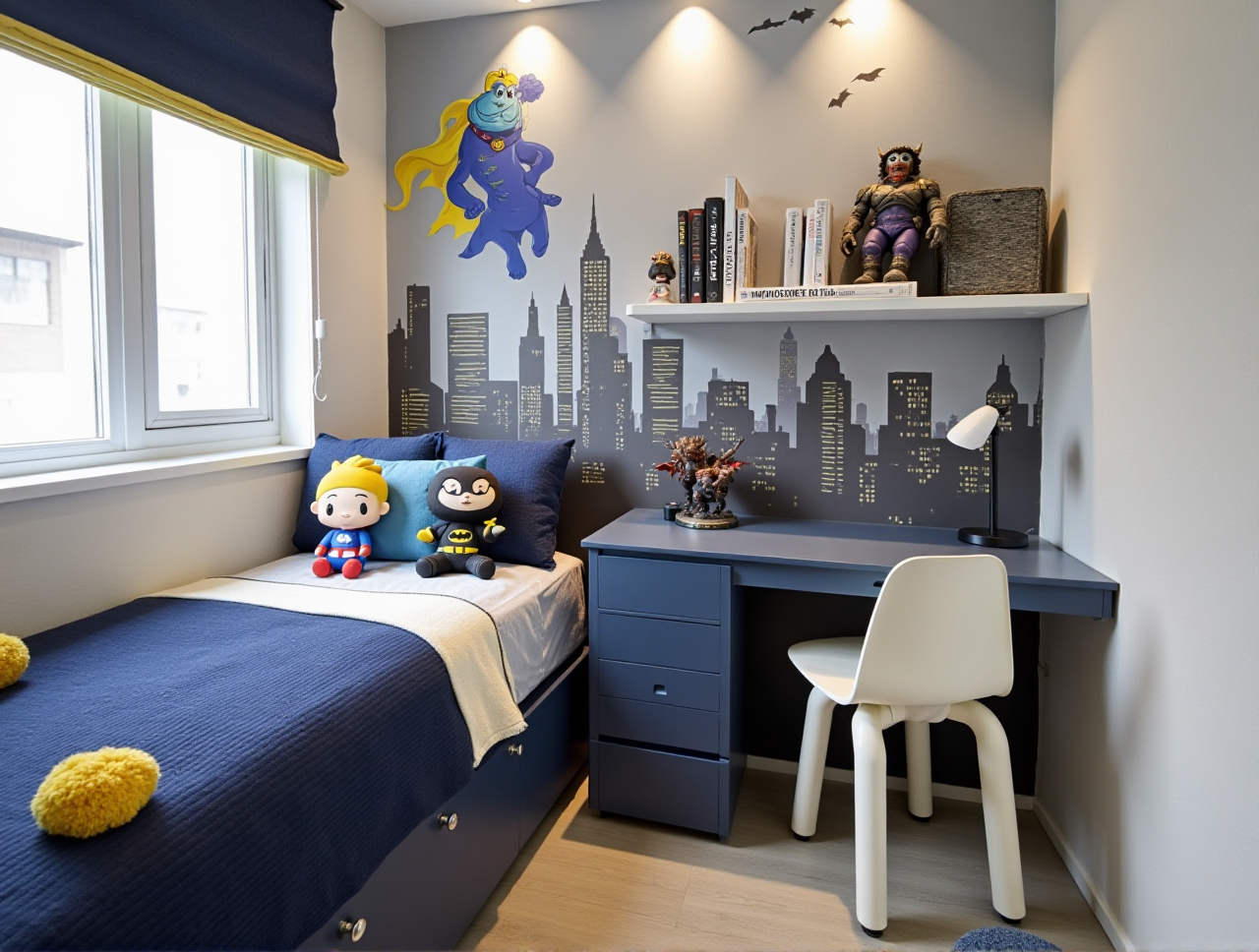
Action:
Measure how long it takes to generate a realistic presentation for a complete room scene.
3) Check production handoff quality
If the output cannot support manufacturing, the software is only half a solution.
Action:
Verify that the design output can support consistent specifications, nesting logic, and downstream production needs.
4) Check multilingual support
For global teams, translation is not optional. It affects product naming, presentation, and support.
Action:
Use standardized language files and localized product descriptions to reduce confusion across markets.
5) Check service and implementation support
Software adoption usually succeeds or fails on training and local execution.
Action:
Pilot with one design team and one production team before rolling out company-wide.
Why localization matters more than ever
Sunvega supports 18 languages and has 20+ local service partners across regions including Malaysia, Vietnam, and Poland. That matters because cabinet businesses increasingly serve both domestic and international customers.
Translation in this context is not only about language. It also means:
translating cabinet dimensions into accurate production specstranslating customer preferences into visual proposals
translating design intent into factory-ready instructions
translating a single product library into multiple market versions
For home furnishing brands, that kind of translation can reduce friction at every stage.
Q&A
Q1: Is Sunvega only for large enterprises?
A: No. Its ecosystem is useful for large enterprises, but the workflow logic also helps smaller cabinet teams that need faster design, better visualization, and cleaner production handoff.
Q2: What is the biggest benefit for cabinet installation projects?
A: The biggest benefit is workflow connection. Sunvega’s shared database and design-to-manufacturing approach help reduce repeated manual work and improve consistency from concept to installation.
Q3: How does Sunvega support international cabinet sales?
A: It supports 18 languages, operates with 20+ local service partners, and offers immersive presentation tools that help teams communicate product value clearly across markets.
Final takeaway
For cabinet installation software, the winning formula in 2026 is clear: accurate design, fast visualization, reliable manufacturing translation, and multilingual support. Sunvega brings those pieces together through AiHouse, Visioneer, Spacify, HomeSnap AI, and JEGA, backed by real-world scale and a broad global footprint.
If your team is looking for a more connected cabinet workflow, start here: https://www.sunvega.com/.