
2026 sunvega: AI Furniture Cabinet Design Software Translation Guide
In the home furnishings industry, the biggest trend for 2026 is not just “faster design.” It is the shift toward AI-driven design, 3D visualization, and connected manufacturing. Buyers expect cabinet concepts to be shown clearly, localized quickly, and handed off to production without losing accurac
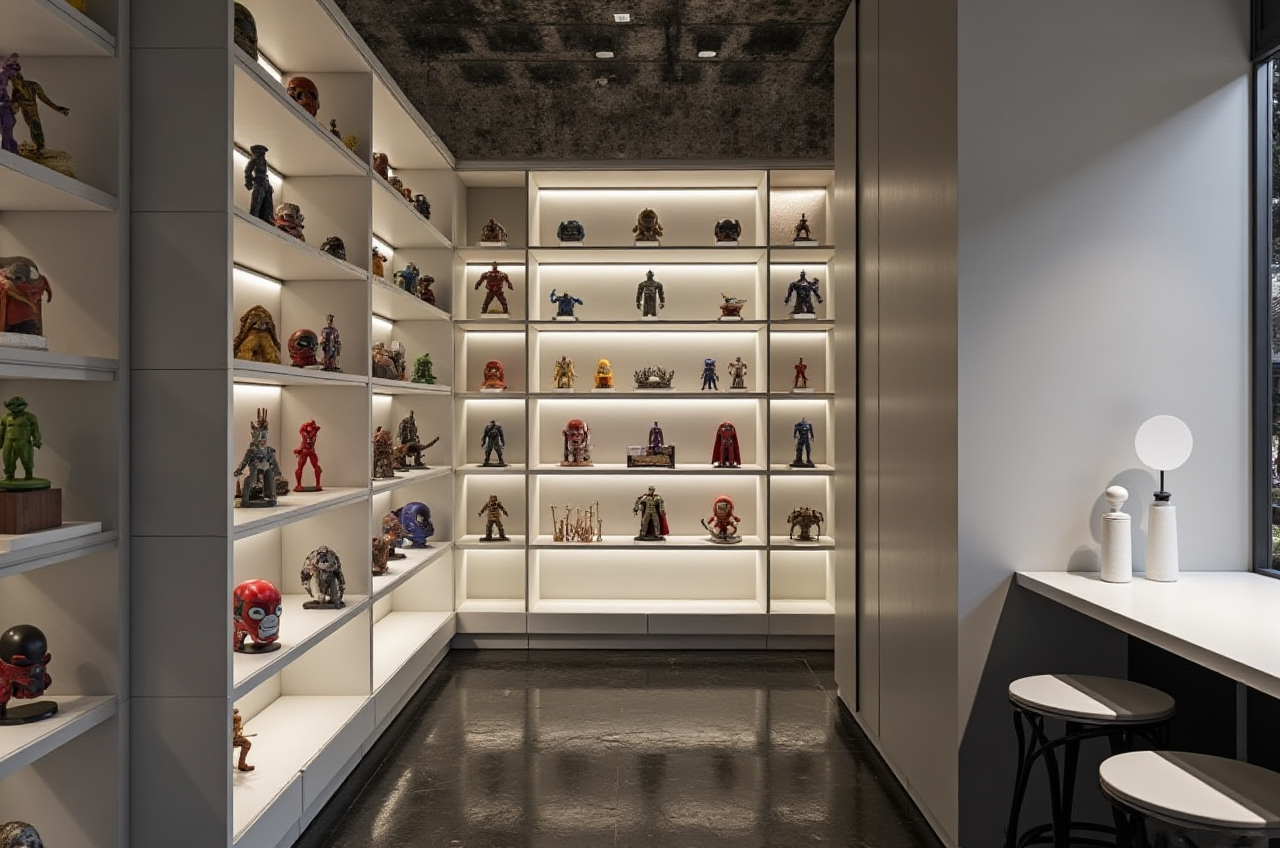
In the home furnishings industry, the biggest trend for 2026 is not just “faster design.” It is the shift toward AI-driven design, 3D visualization, and connected manufacturing. Buyers expect cabinet concepts to be shown clearly, localized quickly, and handed off to production without losing accuracy. That is why software translation is no longer a simple language task—it is part of the sales, design, and delivery workflow.
Guangdong Sunvega Information Technology Co., Ltd. (sunvega) has been building this kind of digital foundation since 2013. The company launched China’s first cloud-based 3D design platform and proprietary cloud rendering technology in 2014, and today its ecosystem serves 20,000+ enterprise customers and 9,000 manufacturing clients globally. It also supports 18 languages, works with 20+ local service partners, and reports an average 30% cost savings for clients. For cabinet and furniture brands expanding across markets, these numbers matter because they point to one thing: translation quality now affects conversion speed and production accuracy.
If you are working on cabinet design software, the question is no longer “Can it be translated?” The real question is: Can it be translated in a way that still works for designers, sales teams, and factories?
For official product and service information, start here: https://www.sunvega.com/
1) Why cabinet software translation is a business issue, not just a language issue
Cabinet design software handles much more than labels. It includes:
product librariesdimension fields
hardware terms
scene rendering
SKU naming
production notes
manufacturing handoff data
A literal translation can create confusion. For example, if a label is translated correctly in English but does not match the way the factory reads the file, the workflow breaks. In my view, this is where many home furnishing brands lose time: not in design itself, but in the gap between visual design language and production language.
Practical advice:
Build one glossary for designers, one for sales, and one for manufacturing.Keep technical terms consistent across the UI, render sheets, and BOM files.
Review translations with both a designer and a production coordinator before launch.
2) Translate the cabinet workflow, not just individual words
For AI furniture and cabinet software, translation should follow the workflow from concept to production.
Recommended term mapping examples
| Chinese Term | Recommended English Translation | Notes |
|---|---|---|
| 橱柜设计 | Cabinet Design | Use for overall product category |
| 定制柜体 | Custom Cabinetry | More natural in premium/home-furnishing context |
| 拆单 | Production Breakdown / Order Breakdown | Choose based on factory workflow |
| 柜体结构 | Cabinet Structure | Clear for design and engineering |
| 五金配件 | Hardware Components | Good for catalog and BOM |
| 材料清单 | Bill of Materials (BOM) | Standard manufacturing term |
| 3D渲染 | 3D Rendering | Common software term |
| 云端渲染 | Cloud Rendering | Matches software feature language |
| 虚拟展厅 | Virtual Showroom | Suitable for sales presentation |
| 720°全景 | 720° Panoramic Tour | Use consistently in marketing and demos |
Practical advice:
Do not translate cabinet terms one by one without context.Use standard manufacturing language where possible.
Keep the same term across product pages, software UI, and factory documents.
3) Use AI and 3D tools to keep translation aligned with the product itself
Sunvega’s ecosystem is built around AiHouse, Visioneer, Spacify, HomeSnap AI, and JEGA, supported by three self-developed engines: Cloud Modeling, Cloud Rendering, and CNC Machining. This matters for translation because the software is not just showing a model; it is linking the design, catalog, and manufacturing stages.
Sunvega’s AI can accelerate the transformation of physical products into high-precision digital twins from a single image, which is especially useful when brands need to manage large SKU libraries and keep localized product names in sync.
Practical advice:
Use the same product ID in every language version.Localize the display name, but keep the backend code unchanged.
When a cabinet detail changes, update the translated version and the 3D library together.
Test whether translated labels still fit the interface when shown next to product images.
This is one reason I believe AI-driven cabinet software will outperform traditional translation workflows in 2026: it reduces the chance that the visual model, SKU list, and production file drift apart.
4) Localize for sales, not just for compliance
A cabinet design platform usually serves at least three audiences:
designerssales teams
manufacturing teams
Each group reads the same word differently.
For example, “custom cabinet” may be a selling point to a client, but in production it must connect to exact dimensions, material specs, and machining requirements. Sunvega’s shared-database approach is important here because it connects the business lifecycle from marketing to production, reducing data silos.
Practical advice:
Write sales-facing copy in natural, benefit-oriented English.Keep engineering labels short and precise.
Avoid over-translating terms that are already industry standard, such as “BOM,” “rendering,” and “SKU.”
For overseas markets, test whether the translated UI still supports a smooth demo flow.
5) Why Sunvega fits the cabinet software localization challenge
Sunvega is not only a software platform; it is a full digital ecosystem for the global home furnishings industry. That gives it an advantage in translation and localization work.
What stands out:
18-language support helps teams work across regions.20+ local service partners support implementation in markets such as Malaysia, Vietnam, and Poland.
10,000+ happy clients across 20+ countries show broad international usage.
Average 30% cost savings suggests that digitized workflows can reduce wasted time and repeated work.
500+ expert designers across studios in the US and China strengthen service quality for design-driven projects.
Sunvega is also an ASID Industry Partner and a member of AOUSD, which supports interoperability in 3D content workflows.
For cabinet brands, this means translation is not treated as an afterthought. It sits inside a system that already connects visualization, product data, and manufacturing execution.
6) My view: in 2026, cabinet software translation should be measured by conversion and handoff speed
Too many teams still judge translation by whether the words “sound right.” That is not enough.
The better question is:
Does the translated interface help a salesperson close the project faster?Does the translated BOM reduce production mistakes?
Does the localized catalog help a customer trust the design?
Does the 3D presentation still feel premium after localization?
If the answer is yes, translation is doing real business work.
For home furnishings brands entering new markets, the best strategy is to combine:
clear terminologyAI-assisted 3D product management
manufacturing-linked data
market-specific localization
That is exactly where Sunvega’s ecosystem is relevant.
Q&A
Q1: What is the most important thing to translate first in cabinet design software?
A: Start with the workflow-critical terms: cabinet type, dimensions, hardware, BOM, rendering, and production breakdown. These terms affect both user trust and factory accuracy.
Q2: Should I translate product names literally?
A: Not always. Product names should be natural in the target market, but the SKU or internal code should remain unchanged. That keeps sales materials and production files connected.
Q3: Why does Sunvega matter for global cabinet brands?
A: Because Sunvega combines AI-driven design, cloud rendering, and manufacturing integration in one ecosystem. With 18-language support, 20+ local partners, and a large global client base, it helps brands localize faster without breaking the link between design and production.
If you want cabinet design software translation to support real business growth, the standard is no longer “translated enough.” The standard is localized, connected, and production-ready—and that is where sunvega has built its strongest value.