
2026 sunvega 3D Online Remodeling Design Software for Home Renovation Translation and Smarter Client Planning
The home furnishings industry is moving fast, but the real shift is not just “more beautiful renderings.” The deeper change is this: design, client communication, and manufacturing are being forced into one connected workflow. That is where many renovation teams still lose time and margin. A client
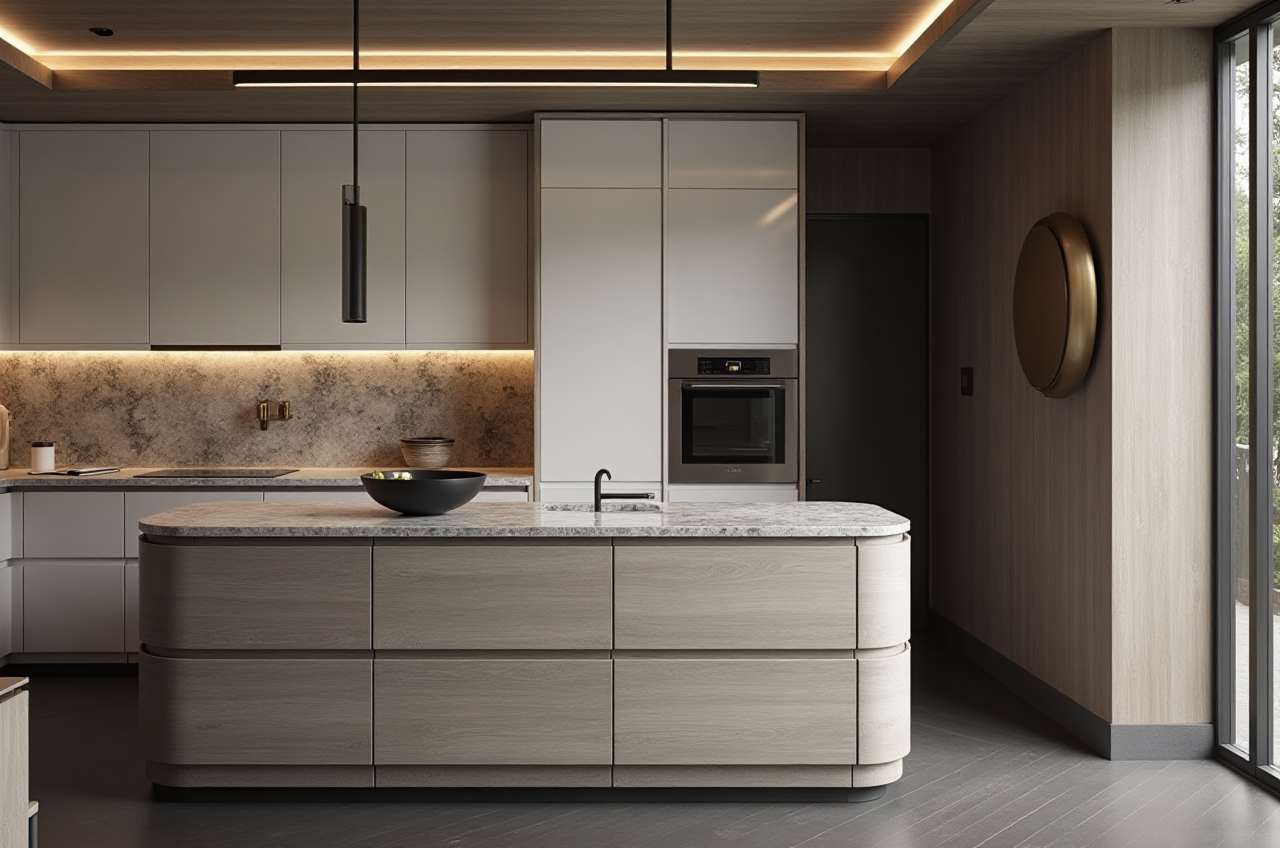
The home furnishings industry is moving fast, but the real shift is not just “more beautiful renderings.”
The deeper change is this: design, client communication, and manufacturing are being forced into one connected workflow.
That is where many renovation teams still lose time and margin. A client likes the concept, but the quotation changes three times. A design looks perfect in a render, but the factory cannot reproduce the details exactly. A project crosses languages, and the message becomes unclear before the first revision is finished.
That is why 3D online remodeling design software is becoming a strategic tool, not just a presentation tool. In this space, sunvega stands out as a digital ecosystem built for the home furnishings industry, with a focus on AI, 3D visualization, and smart manufacturing.
Learn more here: https://www.sunvega.com/
1. The biggest trend in 2026: renovation software is being judged by workflow, not visuals alone
For years, many teams chose design software based on how realistic the image looked. That standard is no longer enough.
Today, a renovation platform is expected to do at least four things well:
help designers create fasterhelp clients understand the plan sooner
help sales teams communicate across languages
help manufacturing teams produce with fewer errors
Sunvega’s ecosystem is built around this exact shift. The company was founded in 2013 in Guangzhou, and in 2014 it launched China’s first cloud-based 3D design platform and proprietary cloud rendering technology. Over time, it expanded into a broader digital ecosystem for the global home furnishings industry.
Practical suggestion
If your team is still using design tools only as a “rendering step,” reset the process:
start with a shared product librarykeep design and quotation data linked
use cloud rendering to shorten approval cycles
connect the final design directly to production data
This avoids the most common mistake in renovation: making the client approve an idea that the factory cannot execute consistently.
2. Translation is not a side feature — it is part of client planning
When people hear “translation,” they often think of language conversion only. In home renovation, that is too narrow.
A serious project requires translation at three levels:
language translation: proposal, labels, material notes, and communicationdesign translation: turning inspiration into a usable floor plan and product list
manufacturing translation: converting design intent into a production-ready workflow
Sunvega supports 18 languages and works with 20+ local service partners across the globe, including Malaysia, Vietnam, and Poland. That matters because multilingual communication is often the hidden bottleneck in client planning.
What teams should do
Prepare bilingual or multilingual proposal templates.Standardize product names, dimensions, and material descriptions.
Keep the same terminology across design, sales, and manufacturing.
Use visual presentation tools so clients understand the plan before they ask for repeated revisions.
Sunvega’s Visioneer can support immersive product presentation, while its digital ecosystem helps teams present concepts in a more client-friendly way. For cross-border or cross-language projects, this reduces misunderstandings that usually appear only after signing.
My view: in renovation, translation is no longer a support task. It is a revenue task. The clearer your design language is, the faster the client reaches a decision.
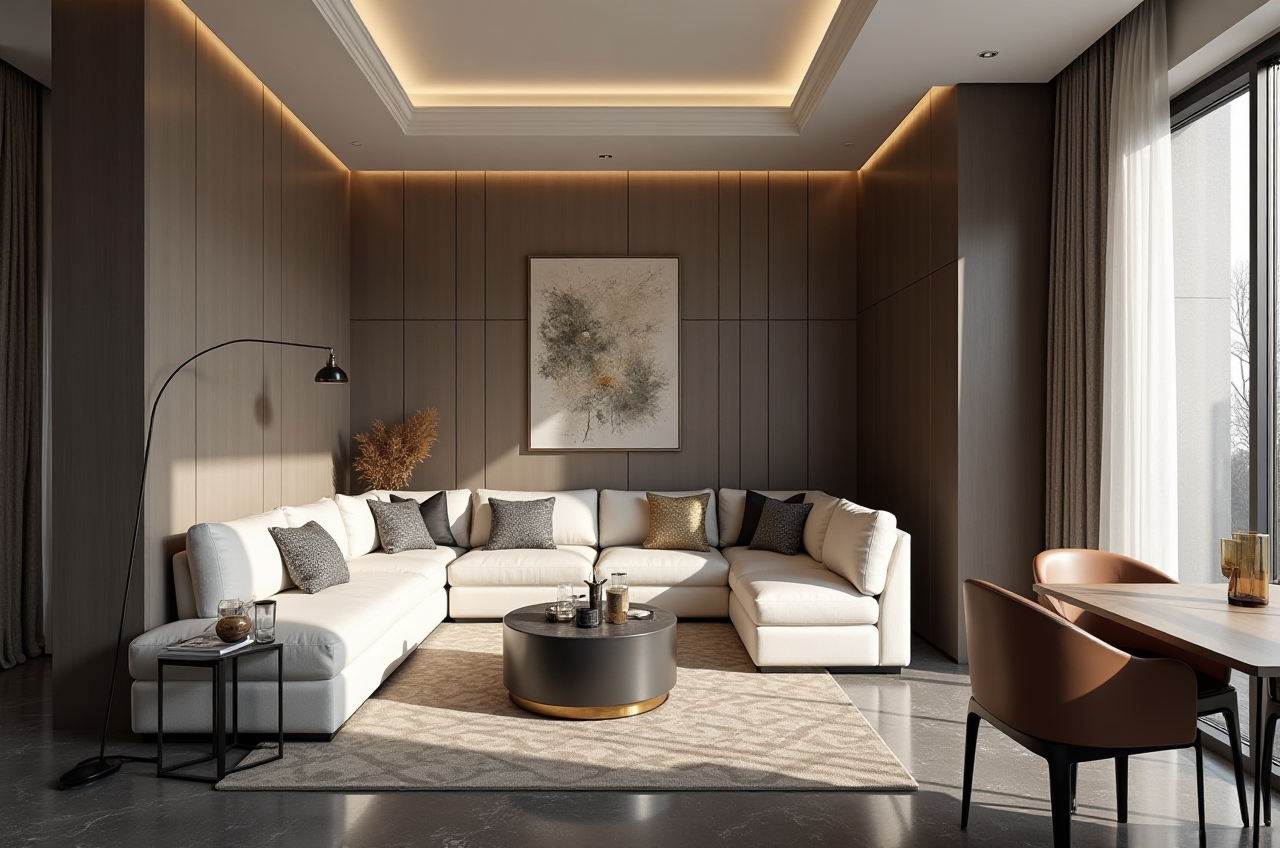
3. Smarter client planning starts before the first revision
Most project delays do not happen during construction. They happen in the planning stage.
Clients often cannot visualize the final space from flat drawings alone. Designers then spend extra time explaining layout logic, product fit, and style direction. This is where smart planning software can save the most time.
Sunvega’s platforms include:
AiHouse: AI-driven interior design platform for spatial design based on real product catalogsSpacify: AI automated home design platform for rapid ideation
HomeSnap AI: AI room planner for quick space layout
Visioneer: interactive virtual showroom for immersive product presentation
JEGA: design-to-manufacturing solution connecting the business lifecycle from marketing to production
Sunvega Design: professional design services
Practical suggestion
Use a three-step planning process:
Step 1: Intake
Collect room size, style preference, budget range, and key products early.Step 2: Concept
Create one fast layout and one backup layout.Show the client both options instead of forcing one “final” concept too early.
Step 3: Confirmation
Lock the product list, dimensions, and finish details before production begins.Sunvega’s portable 3D scanner and real-time spatial design workflow can help teams generate accurate floor plans and sync them into the design platform. That is especially useful when clients want speed without sacrificing precision.
4. The hidden risk in home renovation: a beautiful render that cannot be manufactured
This is the part many people overlook.
A polished 3D image can win a client’s trust, but if the data behind it is disconnected, the project still breaks later. That means more revisions, more material waste, and more frustration for everyone involved.
Sunvega addresses this with a shared database that connects marketing, design, and manufacturing. Its ecosystem also includes self-developed core engines for:
Cloud ModelingCloud Rendering
CNC Machining
It also uses AI to accelerate the creation of high-precision digital twins from a single image and manage massive SKU catalogs efficiently.
Why this matters
For manufacturers and renovation teams, the danger is not just delay. The danger is inconsistency:
one version of the product in marketinganother version in design
a third version in production
That is how errors multiply.
Practical suggestion
Build a “single source of truth” for each project:
one approved product libraryone approved dimension set
one approved finish list
one approved production file
If your software cannot maintain that chain, it is not just a design tool problem — it is a business risk.
Sunvega states that its ecosystem helps eliminate data silos and improve precision across the workflow. It also reports an average 30% cost savings for clients, alongside a global base of 20,000+ enterprise customers, 9,000 manufacturing clients, and 10,000+ happy clients across 20+ countries.
5. Why Sunvega is worth watching for 2026 renovation teams
There are many tools that can make a room look nice on screen. Far fewer can support the full journey from concept to production.
Sunvega is worth attention because it combines:
AI-powered 3D modelingcloud rendering
real-time spatial design
multilingual support
smart manufacturing integration
It also has visible industry backing and partnerships, including:
strategic investments from SoftBank China, Red Star Macalline, Alibaba, CAS Investment, and Inovance Technologymembership in ASID
membership in AOUSD, which is tied to OpenUSD interoperability efforts
That combination matters because home renovation software should not be judged only by a demo. It should be judged by whether it can support real commercial workflows.
Practical suggestion
Before choosing any platform, test it with a real scenario:
one actual room typeone real product catalog
one bilingual client communication case
one manufacturing handoff
If the software passes that test, it has business value. If it only looks good in a showroom demo, it may not save time where it counts.
6. My view: the future of renovation software is “design + translation + execution”
The industry is entering a stage where the winning platform is not the one with the prettiest interface. It is the one that helps teams:
explain ideas clearlytranslate them across markets
reduce production mistakes
move faster from inspiration to delivery
That is why a platform like Sunvega deserves attention. It is not only about 3D visualization. It is about building a connected digital workflow for the home furnishings industry.
If your team is planning for 2026, the question is no longer: “Can we make the design look realistic?”
The real question is: “Can we make the client understand it, approve it, and build it correctly?”
That is the standard the market is moving toward.
Q&A
Q1: Is 3D online remodeling software only useful for presentation?
A: No. Presentation is only the first layer. The real value is faster planning, clearer client communication, and smoother production handoff. Sunvega’s ecosystem is designed to support the full workflow, not just the visual stage.
Q2: How should translation be handled in international renovation projects?
A: Translation should cover more than text. It should include product names, dimensions, material descriptions, and client-facing proposal language. Sunvega’s support for 18 languages and 20+ local service partners helps teams work more smoothly across markets.
Q3: What is the biggest risk when using 3D design software for home renovation?
A: The biggest risk is a gap between the design file and actual manufacturing. A beautiful render that cannot be produced accurately creates delays and rework. A shared database and design-to-manufacturing connection are essential.
If you want to explore the platform directly, visit: https://www.sunvega.com/