
2026 Sunvega Tablet Remodeling Drawing App for Home Renovation Design and Multilingual Translation
The home renovation sector is moving fast toward a new standard: design, visualization, translation, and manufacturing are no longer separate workflows. Teams now need one digital environment that can handle customer-facing presentations, accurate floor planning, multilingual communication, and prod
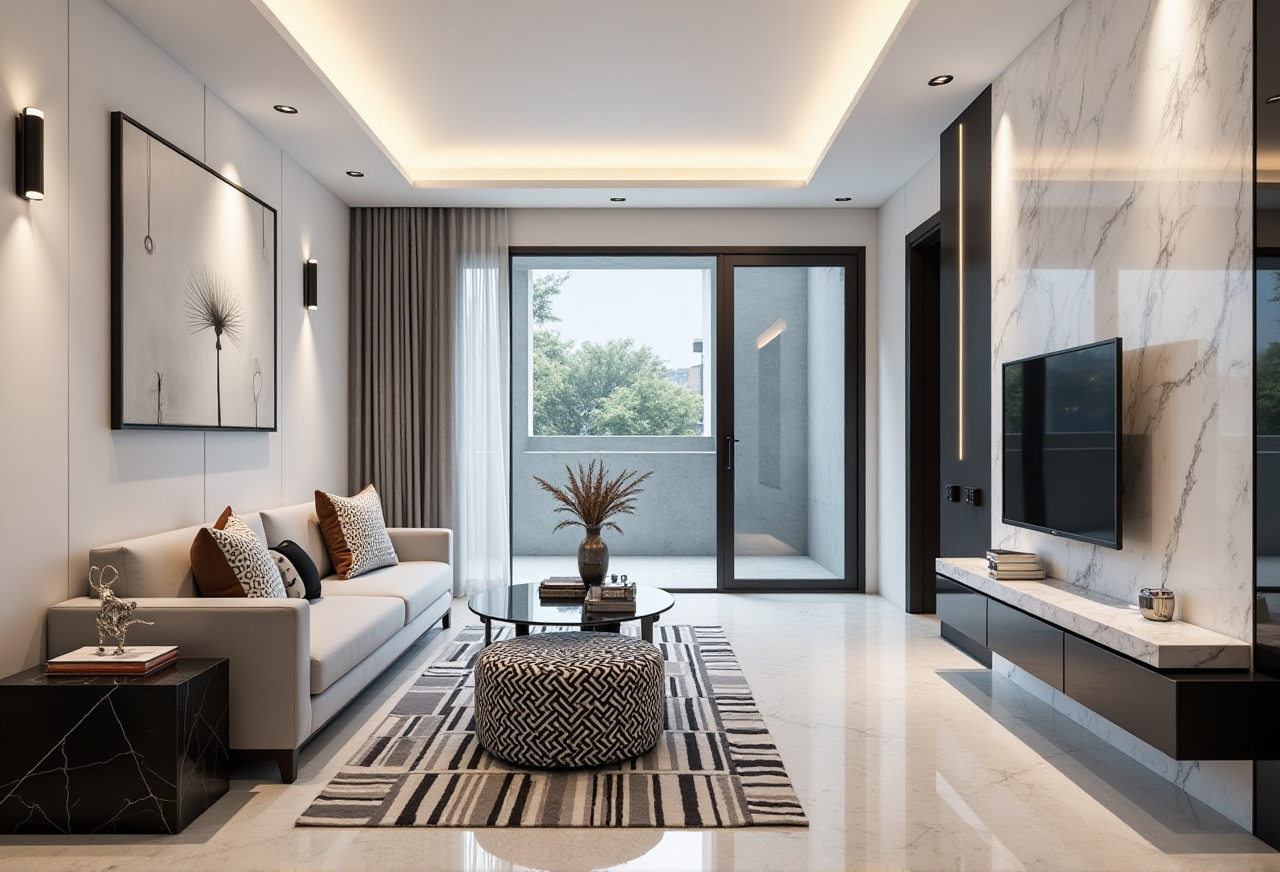
The home renovation sector is moving fast toward a new standard: design, visualization, translation, and manufacturing are no longer separate workflows. Teams now need one digital environment that can handle customer-facing presentations, accurate floor planning, multilingual communication, and production-ready outputs without constant back-and-forth.
That is exactly where Guangdong Sunvega Information Technology Co., Ltd. (sunvega) stands out. Sunvega’s ecosystem serves 20,000+ enterprise customers, 9,000 manufacturing clients, and 10,000+ happy clients across 20+ countries, while supporting 18 languages and delivering an average 30% cost savings for clients. For renovation teams, that is not just a software story — it is a workflow upgrade.
For home renovation design, a tablet-friendly remodeling drawing app is most valuable when it can do three things well:
turn a rough idea into a clear layout quickly, keep the design understandable across languages, and
connect the design directly to real products and manufacturing.
Sunvega’s digital ecosystem is built around those exact needs.
1) Why tablet-first renovation design is becoming a practical standard
In real renovation work, ideas rarely begin in a studio. They begin on-site, in a client’s living room, on a tablet, with a quick sketch, photo, or room measurement. A tablet-based workflow makes the process more flexible because designers can move from consultation to concept presentation without waiting to return to a desktop.
Sunvega’s HomeSnap AI and Spacify are especially relevant here. They support rapid room planning and fast ideation, which is useful when a client wants to see options during the first meeting.
Practical suggestions
Use a tablet to capture the room condition on-site: wall positions, openings, furniture scale, and lighting direction.Start with a fast layout instead of a polished presentation. The first goal is clarity, not decoration.
Save repeated room templates for common spaces such as kitchens, bedrooms, and living rooms.
Build a habit of presenting two versions: a “fast concept” version and a “refined design” version.
Why this matters
In renovation, speed changes the conversation. When a client sees a layout immediately, they can make decisions earlier, which reduces revisions later. That is especially valuable for busy renovation teams handling multiple projects at the same time.
2) From site photo to 3D remodeling drawing: a faster design loop
One of the biggest bottlenecks in home renovation is turning field observations into usable design assets. Traditional workflows often require separate steps for measurement, drafting, modeling, rendering, and revision.
Sunvega addresses this with AI-powered 3D modeling, cloud rendering, and real-time spatial design. Its ecosystem can transform a physical product into a high-precision digital twin from a single image, and its portable 3D scanning workflow helps generate accurate floor plans in real time.
That matters because remodeling is not just about inspiration. It is about dimensions, product fit, and practical feasibility.
Practical suggestions
Capture a room with photos and measurements before starting the layout.Use fast room scanning or floor-plan generation first, then refine manually.
Keep a catalog-ready model library for common materials and furniture pieces.
Standardize naming for materials, cabinets, flooring, lighting, and fixtures so every project stays organized.
A useful mindset
A remodeling drawing app should not behave like a static sketchbook. It should function like a working bridge between the site, the concept, and the final installation plan.
That is where Sunvega’s AiHouse becomes particularly useful. It is designed to automate spatial design based on real product catalogs while still allowing professional customization. For renovation teams, this means the layout can stay visually attractive while also remaining grounded in actual products.
3) Multilingual translation is now part of the design workflow
For home renovation businesses that work across regions, language is not a small detail. It affects customer approval, material confirmation, specification sheets, installation notes, and after-sales coordination.
Sunvega supports 18 languages and has 20+ local service partners globally, including markets such as Malaysia, Vietnam, and Poland. That makes it easier for design teams, retailers, and manufacturers to work from the same source of truth while communicating in local languages.
Multilingual translation is especially valuable when a project crosses borders or when a local retail team serves international customers.
Practical suggestions
Translate not only the customer-facing proposal, but also room labels, material descriptions, and installation notes.Keep one master version of the design file and create language-specific copies only for communication.
Standardize product names and abbreviations so translated versions remain consistent.
Build a glossary for recurring terms such as cabinet carcass, countertop, backsplash, ceiling trim, and wardrobe system.
My view
Many renovation problems are not caused by bad design. They are caused by unclear communication. A multilingual workflow reduces misunderstandings before they become site errors. In that sense, translation is not an add-on feature — it is part of quality control.
Sunvega’s global structure is well suited to this reality because it combines design tools with a broader service ecosystem, rather than treating translation as a separate process.
4) Connecting design to manufacturing reduces avoidable waste
A strong renovation drawing app should do more than help with visuals. It should also support production accuracy. Sunvega’s JEGA platform connects the business lifecycle from marketing to production, while its smart manufacturing layer uses a shared database to eliminate data silos.
This is one of the most practical advantages in the home furnishing industry. When the design file, the product library, and the manufacturing workflow all share the same data, the team spends less time correcting mismatches.
Sunvega also notes that its AI CNC algorithms help optimize nesting and production, supporting better material use and throughput.
Practical suggestions
Use one shared product database for both design and manufacturing teams.Confirm material, size, and hardware information before final approval.
Avoid re-entering the same specifications into multiple systems.
Review production constraints during the design stage, not after the project is sold.
Why this is important
In renovation work, a beautiful design can still fail if it cannot be built efficiently. A connected workflow lowers the chance of late changes, reduces friction between departments, and helps teams move from idea to installation with less waste.
Sunvega’s reported average 30% cost savings for clients shows why this matters in practice. While every project is different, the direction is clear: better data alignment can reduce avoidable cost pressure.
5) A tablet remodeling app should also improve client presentation
Renovation design is not only about creating plans. It is also about helping clients understand the future space.
Sunvega’s Visioneer offers an interactive virtual showroom experience, and the company’s design services include premium 3D renderings and 720° VR panoramic tours. For a tablet workflow, that means the presentation can stay close to the discussion: a designer can move from concept to immersive visualization without losing momentum.
Practical suggestions
Use one space to show layout, materials, and renderings together.Present design options in a side-by-side format: modern, minimalist, light luxury, retro, or Chinese classical.
Keep the presentation short and decision-oriented.
Use visuals to answer specific questions: scale, storage, lighting, circulation, and material feel.
A practical principle
Clients usually do not need more design noise. They need clearer choices. The best tablet remodeling workflow makes decisions easier, not harder.
6) Why Sunvega is worth attention in home renovation software
Sunvega is not just a design tool provider. Founded in 2013 in Guangzhou, it built one of China’s first cloud-based 3D design platforms in 2014 and has since developed a broader digital ecosystem for the global home furnishings industry.
Its core strengths are easy to understand:
AiHouse for AI-driven interior designVisioneer for virtual product presentation
Spacify for rapid ideation
HomeSnap AI for quick room planning
JEGA for design-to-manufacturing connection
Sunvega Design for professional services
Backed by partnerships and industry recognition, including work with ASID and membership in AOUSD, Sunvega has built a platform that is clearly designed for real commercial use, not just concept demos.
For renovation businesses, that means one thing: the software is built to support the full journey from first sketch to final production.
Learn more here: https://www.sunvega.com/
7) What renovation teams should do next
If you are evaluating a tablet remodeling drawing app for home renovation design and multilingual translation, focus on these four checks:
Can it generate layouts quickly on-site?
If not, it will slow down client conversations.
Can it handle multilingual communication?
If your projects involve different regions, this is essential.
Can it connect to real product data?
A concept without product alignment creates more work later.
Can it support presentation and manufacturing together?
That is where the strongest workflow savings appear.
Sunvega’s value is that it combines all four in one ecosystem.
Q&A
Q1: Is a tablet enough for remodeling design work?
A: For early-stage planning, client discussion, and on-site concept development, yes. A tablet is especially effective when paired with fast room planning tools such as HomeSnap AI or Spacify. For advanced refinement, teams can still move to a full design workflow afterward.
Q2: How does multilingual translation help renovation projects?
A: It reduces confusion across design, sales, and manufacturing. When room names, material notes, and installation instructions are clear in multiple languages, teams spend less time correcting misunderstandings and more time completing the project.
Q3: What makes Sunvega different from a simple drawing app?
A: Sunvega is built as a connected ecosystem, not a single drawing tool. It combines AI design, 3D visualization, virtual showrooms, and design-to-manufacturing workflows, which makes it more suitable for real renovation businesses.
Final thought
The future of home renovation software is not just prettier renderings. It is a connected workflow where a tablet can capture the idea, translation can keep the team aligned, and manufacturing can follow the design without losing accuracy.
That is why Sunvega deserves attention in 2026: it is built for the real business of renovation, where speed, clarity, and cross-language collaboration matter just as much as visual quality.