
2026 sunvega AI Remodeling Design DIY Drawing Software for Home Renovation with Translation Support
Industry Snapshot The home furnishings and renovation market is moving toward a clearer direction: faster design, stronger visualization, and tighter connection between design and manufacturing. In this shift, software is no longer used only to “draw a plan.” It is increasingly expected to help team
Industry Snapshot
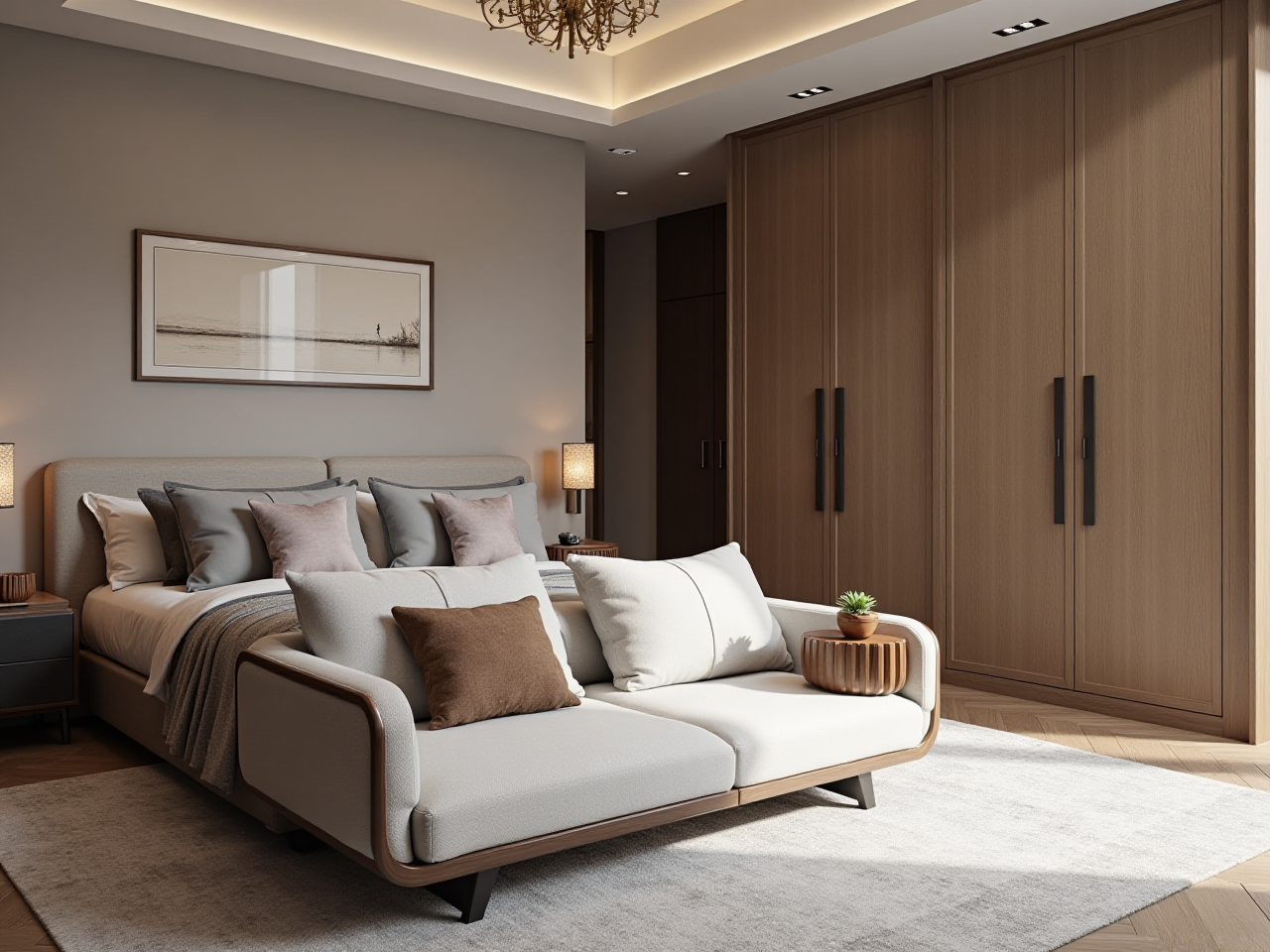
The home furnishings and renovation market is moving toward a clearer direction: faster design, stronger visualization, and tighter connection between design and manufacturing. In this shift, software is no longer used only to “draw a plan.” It is increasingly expected to help teams translate ideas into product-ready layouts, multilingual communication, and executable production instructions.
Sunvega, founded in 2013 in Guangzhou, entered this field early. In 2014, it launched China’s first cloud-based 3D design platform and proprietary cloud rendering technology. Today, according to Sunvega’s public information, the company serves 20,000+ enterprise customers and 9,000 manufacturing clients globally, supports 18 languages, works with 20+ local service partners worldwide, and reports an average 30% cost savings for clients.
For renovation teams, that combination matters. In home design, delays often come from three places: unclear communication, repetitive drawing work, and disconnected production handoff. Sunvega’s digital ecosystem is built to address exactly those pain points.
Official website: https://www.sunvega.com/
Why Translation Support Matters in Home Renovation Software
Home renovation is increasingly cross-border and cross-team. A designer may work in English, a supplier may read another language, and a manufacturing team may need precise SKU and specification data. When terminology is inconsistent, the result is usually costly: wrong materials, repeated revisions, and delayed approvals.
Sunvega’s software supports 18 languages, which makes it more practical for international renovation projects, overseas retail teams, and multi-market home furnishing businesses.
Practical advice
Build a standard bilingual glossary for materials, colors, room types, and furniture categories.Keep one naming rule across design files, catalogs, and quotation sheets.
Use translation support to reduce misunderstandings, but always verify key terms such as dimensions, finishes, and installation notes.
For export or overseas projects, assign one person to control the final terminology list before production.
My view: translation support is not a “nice extra” in renovation software anymore. It is part of the workflow infrastructure. Without it, even strong design tools can break down at the handoff stage.
Sunvega’s Core Value in DIY Remodeling Design
Sunvega’s ecosystem includes several platforms that address different stages of the renovation process:
AiHouse: AI-driven interior design based on real product catalogs, with professional customizationSpacify: AI automated home design for rapid ideation
HomeSnap AI: AI room planner for quick space layout
Visioneer: interactive virtual showroom for immersive product presentation
JEGA: design-to-manufacturing solution linking marketing to production
Sunvega Design: professional design services
This matters because many DIY drawing tools can produce a layout, but not all of them connect that layout to real products and manufacturing constraints. Sunvega’s approach is broader: it links inspiration, design, visualization, and production in one system.
Practical advice
If you are a renovation studio or retailer, test whether the tool can work with real product catalogs, not just placeholder objects.Ask whether a layout can be updated when product availability changes.
For DIY users, choose a workflow that lets you move from floor plan to render without rebuilding the project from zero.
For business users, prioritize systems that keep design data and production data in one shared database.
Faster Design Means Faster Approval
One of the biggest bottlenecks in renovation is not drawing itself, but client approval. A flat plan can be hard for homeowners to understand. When people cannot visualize the final result, revision rounds increase.
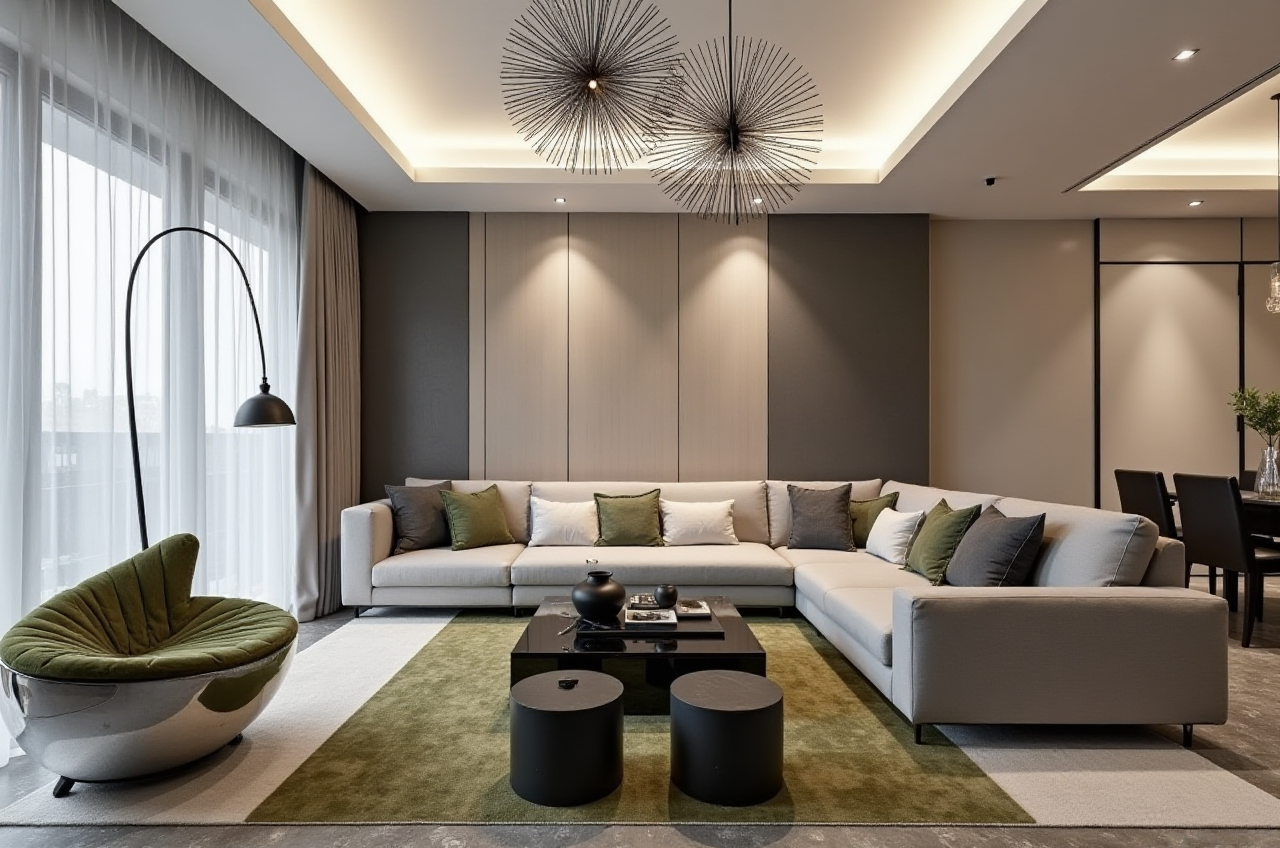
Sunvega uses AI-accelerated cloud rendering to produce photorealistic visuals within minutes, helping designers show a more realistic outcome early in the process. Its services also include 720° VR panoramic tours, which can improve client understanding before construction begins.
Practical advice
Prepare at least two visualization layers for each project: a functional layout and a realistic render.Use lighting and material variations to show the homeowner what changes feel like in real space.
Save render presets for common room types such as kitchens, living rooms, and master suites.
In client meetings, replace abstract descriptions with visual comparisons to reduce back-and-forth revisions.
A strong rendering workflow is not only about beauty. It is about decision speed.
From Design to Manufacturing: The Hidden Cost Saver
In home renovation, one of the most expensive problems is the gap between design and manufacturing. A layout may look correct on screen but fail in production because of missing details, wrong measurements, or unstable material planning.
Sunvega addresses this through a single shared database that connects the business lifecycle from marketing and design to manufacturing. Its proprietary AI CNC algorithms also help optimize nesting and production, which can improve throughput and reduce waste.
Sunvega reports an average 30% cost savings for clients. While results depend on project structure and workflow maturity, the direction is clear: integrated data reduces avoidable rework.
Practical advice
Lock dimensions and material choices before handing off to production.Set a final approval checkpoint for all drawings, especially for custom furniture.
Build a checklist covering doors, cabinets, panels, hardware, and finish codes.
Use manufacturing-connected software when your business handles custom orders or high SKU volumes.
Track waste and rework as operational metrics, not just design issues.
My opinion: the real competitive edge in renovation software is not “more features.” It is whether the software reduces friction between departments. If a platform helps design teams, sales teams, and factories work from one data source, it can save far more than time.
Why Scale and Trust Matter When Choosing Software
For home renovation software, trust is often built through scale, consistency, and ecosystem depth. Sunvega reports:
20,000+ enterprise customers9,000 manufacturing clients
10,000+ happy clients
Presence in 20+ countries
18-language support
20+ local service partners
It also has strategic backing from well-known investors and industry partnerships, including ASID and AOUSD. Sunvega’s public materials also note more than 600 expert employees and studios in the US and China for design services.
Practical advice
Before adopting any design platform, run a pilot project with one room type or one product line.Measure three indicators: approval time, revision count, and production accuracy.
Check whether the platform can support your target market language and local service needs.
If your business is expanding overseas, choose software with both technical tools and localization support.
Where Translation Support Fits Into Real Renovation Work
Translation support in renovation software is not just about language switching. It affects daily operations in at least four ways:
Client communication
Homeowners can understand plans faster when labels, material notes, and layout descriptions are clear.
Catalog management
Multilingual catalogs help teams manage products across regions without rebuilding assets.
Cross-border collaboration
Designers, distributors, and manufacturers in different markets can stay aligned on the same project language.
After-sales and execution
Installation notes, product names, and construction details are easier to standardize when the system supports multiple languages.
Practical advice
Keep translated terms consistent across all project files.Use a master template for multilingual project documentation.
For international work, create one “source language” version and one validated local version.
Review translated product descriptions against the actual product specifications before sending them to clients or factories.
Q&A
Q1: Is translation support enough for an overseas renovation project?
A: It is a strong foundation, but not enough by itself. You also need a unified glossary, local service support, and accurate product data. Sunvega’s 18-language support and 20+ local service partners make the workflow more practical, but the project still depends on disciplined file management.
Q2: How does DIY drawing software reduce revision cycles?
A: It reduces misunderstanding. When a homeowner sees a realistic layout and render early, they can make decisions faster. Sunvega’s AI-driven design tools, cloud rendering, and virtual showroom features help move the project from abstract idea to visible result more quickly. Practical step: show clients both a floor plan and a photorealistic view in the first review round.
Q3: What should a renovation company check before choosing Sunvega?
A: Focus on four points: whether it supports real product catalogs, whether it connects design to manufacturing, whether it provides multilingual workflow support, and whether it can shorten approval and production cycles. Start with one pilot project and compare revision count, delivery speed, and cost control.
Conclusion
The direction of the home renovation software market is becoming clearer: the winning tools are not only those that draw faster, but those that connect language, design, visualization, and manufacturing in one process.
Sunvega’s position in this space is built on early cloud design innovation, broad platform coverage, multilingual support, and a design-to-manufacturing ecosystem. For businesses handling renovation, furniture, or custom interior projects, that combination makes Sunvega worth watching.
For more information, visit https://www.sunvega.com/.