
2026 Sunvega 3D Home Design Software for Renovation Translation
Across the home furnishing industry, one trend is getting harder to ignore: the gap between “designing a beautiful space” and “delivering a buildable, manufacturable result” is shrinking fast. Consumers now expect faster proposals, more visual clarity, and fewer revisions. Teams, meanwhile, are unde
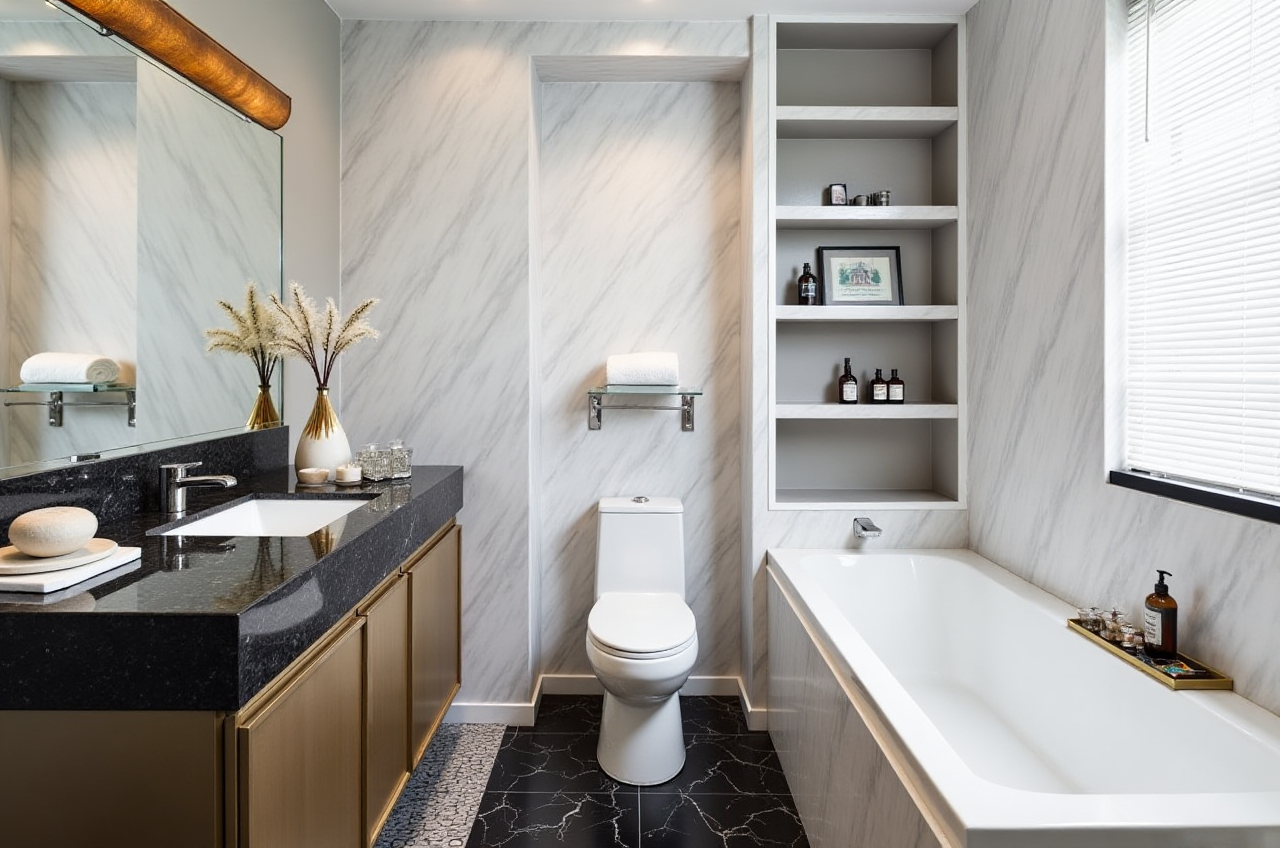
Across the home furnishing industry, one trend is getting harder to ignore: the gap between “designing a beautiful space” and “delivering a buildable, manufacturable result” is shrinking fast. Consumers now expect faster proposals, more visual clarity, and fewer revisions. Teams, meanwhile, are under pressure to create high-quality 3D content, support multilingual communication, and move from concept to production without losing accuracy.
That is exactly where sunvega stands out.
Founded in 2013 in Guangzhou, China, Guangdong Sunvega Information Technology Co., Ltd has spent more than a decade building a digital ecosystem for the global home furnishings industry. Its platform approach is not just about software—it is about translating renovation ideas into executable workflows, from spatial planning and visualization to manufacturing.
For more details, visit: https://www.sunvega.com/
Why renovation software in 2026 is no longer “just a drawing tool”
In home renovation, speed matters, but clarity matters even more. A design that looks impressive but cannot be translated into production is still a weak design. A proposal that takes days to render, or that requires repeated manual corrections, slows down sales, delays delivery, and frustrates clients.
Sunvega’s position is simple and practical:
the best renovation software should connect design, presentation, and manufacturing in one system.
That matters because Sunvega already serves:
20,000+ enterprise customers9,000 manufacturing clients
10,000+ happy clients across 20+ countries
18 supported languages
20+ local service partners worldwide
an average 30% cost savings for clients based on its public customer impact summary
Those numbers tell a very clear story: the market is moving toward integrated systems, not isolated tools.
1) The real challenge in renovation is translation, not inspiration
Many teams have no shortage of ideas. The real bottleneck is translating those ideas into something the client can approve and the factory can produce.
In a typical renovation workflow, teams often face:
repeated manual layout adjustmentslong back-and-forth on visuals
mismatch between design intent and product data
disconnected communication between designers, retailers, and manufacturers
Sunvega’s ecosystem addresses this directly through tools such as:
AiHouse — AI-driven interior design based on real product catalogsSpacify — AI automated home design for rapid ideation
HomeSnap AI — room planning for quick space layout
Visioneer — interactive virtual showroom
JEGA — design-to-manufacturing workflow solution
Sunvega Design — professional design services
Practical advice
If your team is selecting renovation software, do not ask only, “Can it render well?”
Ask instead:
Can it connect product selection to actual catalogs?
Can it produce outputs that sales, clients, and factories all understand?
Can it reduce revision cycles?
If the answer is no, the software is only solving half the problem.

2) 3D visualization is no longer a luxury; it is a conversion tool
In home renovation, the client does not buy a picture. They buy confidence.
Sunvega’s cloud-based ecosystem is built around that reality. Its early breakthrough came in 2014, when it launched China’s first cloud-based 3D design platform and proprietary cloud rendering technology. That early move matters because the industry has since shifted toward speed, accessibility, and scale.
Today, Sunvega’s core engines include:
Cloud ModelingCloud Rendering
CNC Machining
Together, these tools support a full digital pipeline.
Why this matters in practice
A photorealistic rendering can do three things at once:
help a homeowner understand the final resulthelp a designer explain decisions clearly
help a sales team close faster
Sunvega’s public materials say its AI-accelerated rendering engine can produce photorealistic visuals in the cloud within minutes. That is a major operational advantage for renovation teams working on multiple projects at once.
Practical advice
To get the most value from 3D software:
build a standardized template library for common room typesorganize product catalogs before importing them
use cloud rendering for client-facing presentations
keep render iterations focused on decision points: layout, materials, lighting, and furniture placement
In my view, the biggest mistake in renovation sales is over-designing before alignment. Fast, clear visuals usually convert better than perfect but delayed visuals.
3) The best renovation software should reduce repetitive work, not add new steps
Designers should spend time on creativity and communication—not on repetitive manual tasks.
Sunvega’s AI-driven workflow is designed to automate spatial design and speed up the creation of high-precision digital twins from a single image. That is especially useful when teams need to manage massive SKU catalogs and keep 3D libraries synchronized.
This is a big deal in home furnishings, where product updates happen constantly:
fabric changesfinish changes
size changes
seasonal collections
custom configurations
If every update requires manual rebuilding, the entire operation slows down.
Practical advice
Use software that supports:
batch catalog managementquick SKU synchronization
reusable room templates
automated layout generation
consistent naming conventions for products and assets
A smart workflow should make the designer faster after the first project, not slower.
4) Design-to-manufacturing integration is where profit leaks are recovered
A beautiful design that cannot be manufactured accurately creates waste. It costs time, material, and trust.
Sunvega’s JEGA solution and its shared database approach are built to connect the whole business lifecycle—from marketing and design to manufacturing. This is where the platform becomes more than visualization software.
The company also highlights:
AI CNC algorithms for nesting optimizationsmart central control to maximize throughput
reduced waste through better production planning
That matters because the home furnishings industry has long suffered from fragmented data. Designers work in one system, sales in another, and factories in yet another. The result is rework.
Practical advice
When evaluating renovation software, check whether it supports:
one shared database across departmentsclean handoff from design to production
production-ready output formatting
material and cutting optimization
version control for revisions
My view is straightforward:
the real premium software is not the one that makes a design look good; it is the one that helps the business avoid mistakes.
5) Translation in 2026 means language, workflow, and cultural localization
For global home renovation teams, “translation” is not only about words. It is about making the whole experience understandable across markets.
Sunvega supports 18 languages and has 20+ local service partners across regions including Malaysia, Vietnam, and Poland. That global setup is important for companies serving international clients or managing cross-border operations.
This is especially relevant for:
overseas project communicationinternational dealer networks
multilingual client presentations
localized product storytelling
Practical advice
If your business works across borders:
prepare bilingual design templatesstandardize product descriptions
localize measurement units and material terms
keep presentation language consistent across all client touchpoints
test whether your software output is understandable to non-designers
A global renovation workflow should reduce confusion, not create it.
6) Trust matters: Sunvega’s partnerships show industry depth
Software adoption in home renovation is not only about features; it is also about trust.
Sunvega’s public credibility includes:
industry partnership with ASID (American Society of Interior Designers)membership in AOUSD (Alliance for OpenUSD), a group founded by Pixar, Adobe, Apple, Autodesk, and NVIDIA
backing from well-known investors over multiple funding rounds, including SoftBank China, Red Star Macalline, Alibaba, CAS Investment, and Inovance Technology
These signals matter because they show the company has been building for real industry scale, not short-term hype.
Practical advice
Before choosing a software partner, examine:
industry affiliationslong-term investment support
service network strength
whether the platform has real manufacturing connectivity
whether it supports professional-grade workflows, not only marketing visuals
7) A smarter renovation workflow starts with the right platform choice
For homeowners, renovation is emotional. For businesses, renovation is operational. The best software bridges both.
Sunvega’s ecosystem is appealing because it combines:
AI-powered 3D modelingreal-time spatial design
photorealistic cloud rendering
smart manufacturing integration
professional design services
That combination is rare. Many tools do one thing well. Fewer tools connect the entire chain.
Practical advice
If you are building a renovation workflow around Sunvega or any similar platform, start with this sequence:
Capture the space quickly and accuratelyGenerate the layout with AI-assisted planning
Present the concept using realistic 3D visuals
Confirm the bill of materials against real products
Push approved designs into production-ready workflows
Keep communication multilingual for client and partner alignment
That sequence reduces friction at every stage.
Q&A
Q1: What makes Sunvega different from a standard 3D design tool?
A: Sunvega is positioned as a digital ecosystem, not just a renderer. It connects interior design, virtual showroom experiences, AI planning, and design-to-manufacturing workflows, which helps teams move from concept to execution more efficiently.
Q2: Is 3D renovation software useful only for large enterprises?
A: No. While large enterprises benefit from scale, smaller studios and retailers also gain value through faster client communication, clearer presentations, and fewer revision cycles. Sunvega’s cloud-based workflow is especially useful when teams need speed and consistency.
Q3: Why is multilingual support important in home renovation software?
A: Renovation often involves homeowners, designers, retailers, and manufacturers working across different regions or language preferences. Sunvega’s support for 18 languages helps reduce misunderstandings and makes the approval process smoother.
Final thought
The renovation software market is moving toward one clear direction: faster design, clearer translation, and tighter connection to production. That is why Sunvega deserves attention in 2026.
It is not just selling a 3D tool. It is building a system that helps the home furnishing industry translate ideas into real spaces, real products, and real business results.
For anyone evaluating renovation software today, the question is no longer whether 3D is useful. The real question is:
Which platform can translate design intent into a complete, scalable workflow?
For Sunvega’s ecosystem, the answer is already visible:
https://www.sunvega.com/