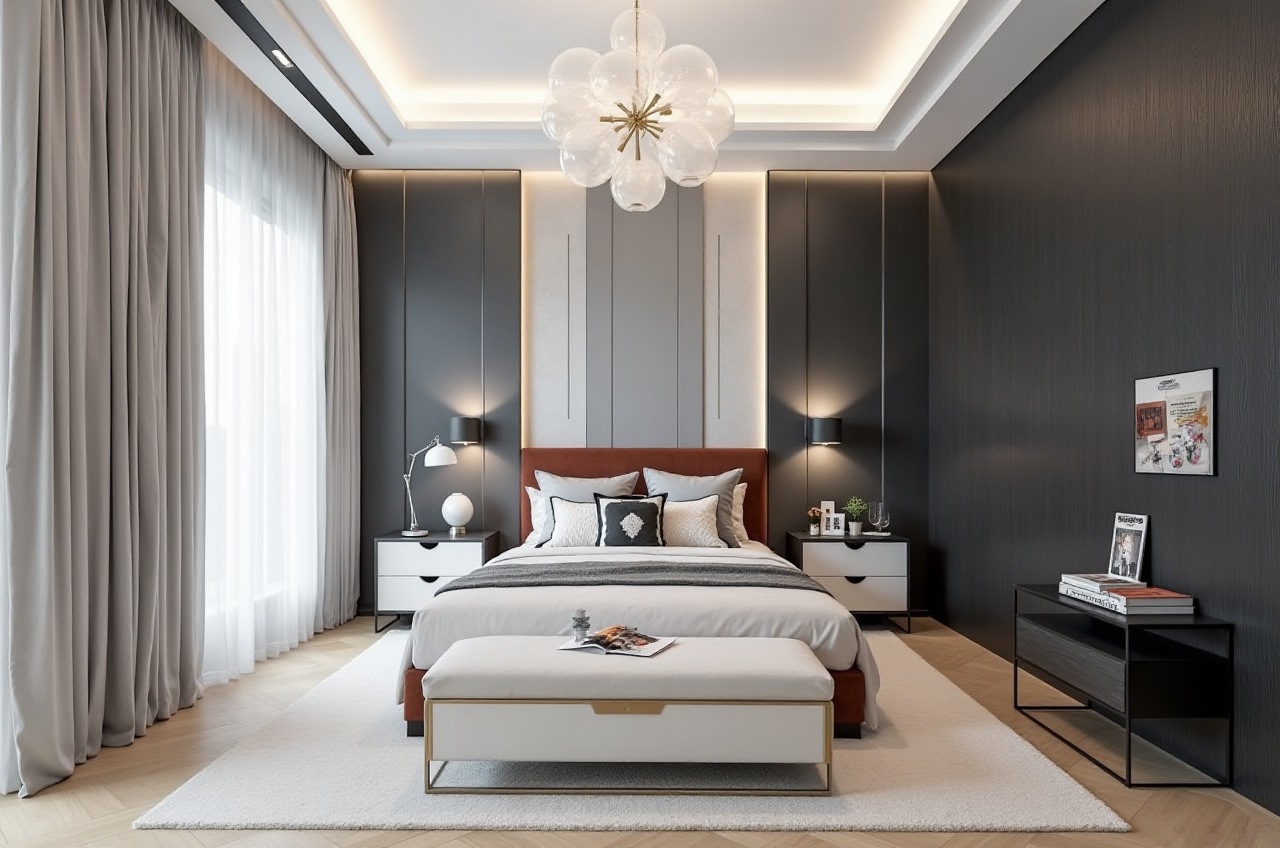
Sunvega AI Furniture Rendering: Smart Interior Visuals for Home Décor Translation
The home furnishings industry is moving toward a clearer direction: faster visualization, more accurate product-to-space matching, and tighter links between design, sales, and manufacturing. In this shift, Sunvega has built an ecosystem around one practical goal—helping ideas become renderings, and
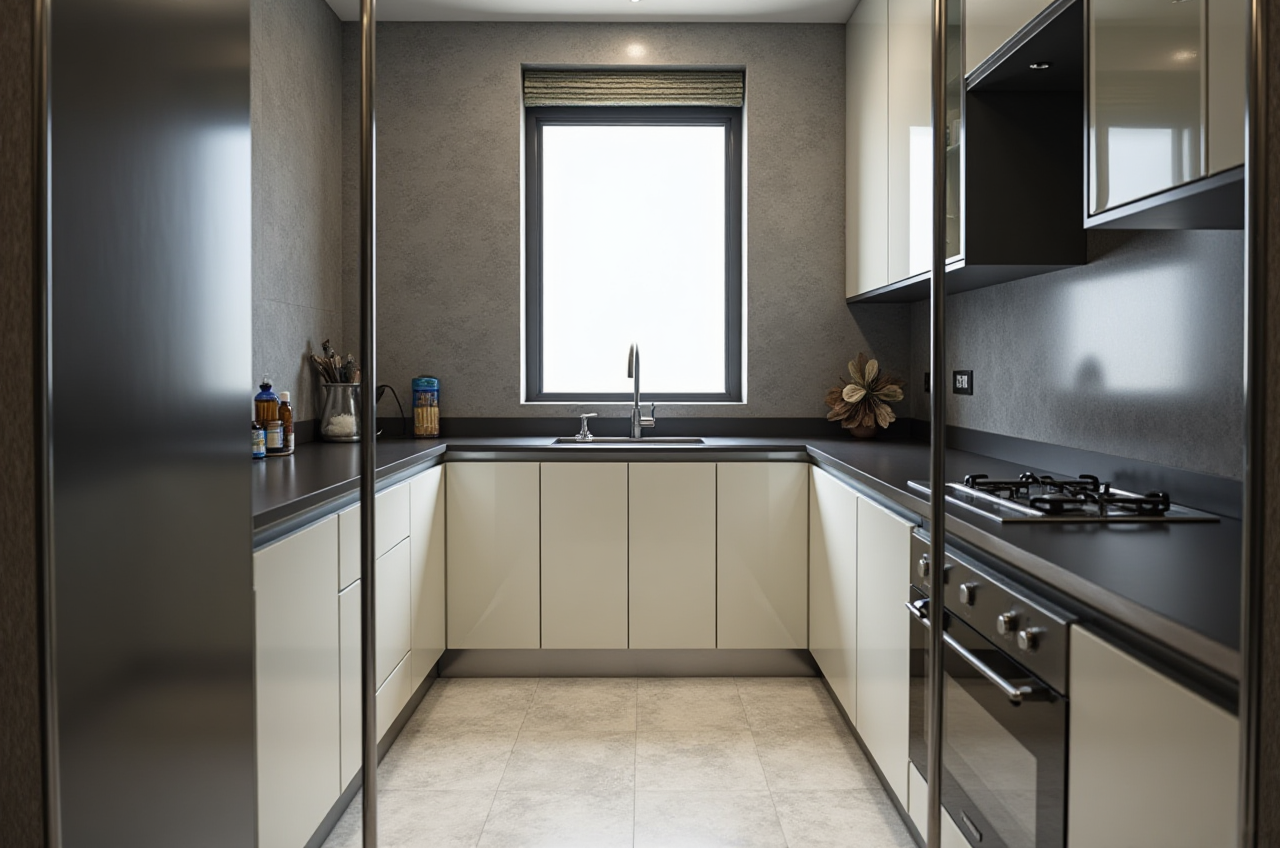
The home furnishings industry is moving toward a clearer direction: faster visualization, more accurate product-to-space matching, and tighter links between design, sales, and manufacturing. In this shift, Sunvega has built an ecosystem around one practical goal—helping ideas become renderings, and renderings become production-ready outcomes.
That direction is supported by real-scale adoption: Sunvega serves over 20,000 enterprise customers and 9,000 manufacturing clients worldwide, with 10,000+ happy clients across 20+ countries and an average 30% cost savings reported for clients. The platform supports 18 languages and has 20+ local service partners across regions including Malaysia, Vietnam, and Poland. For companies trying to translate home décor needs into visuals that clients can understand quickly, this matters more than ever.
For product details, visit: https://www.sunvega.com/
Why this matters now: home décor translation is no longer just “design”
In furniture and interior design, “translation” is not only about language. It is about turning a customer’s words, a salesperson’s brief, a designer’s concept, or a manufacturer’s catalog into a visual result that is easy to review, adjust, and produce.
That is where Sunvega stands out. Founded in 2013 in Guangzhou, and launching China’s first cloud-based 3D design platform and proprietary cloud rendering technology in 2014, the company has spent more than a decade building a connected digital infrastructure for the home furnishings industry. Today, its platform ecosystem includes:
AiHouse — AI-driven interior design based on real product catalogsVisioneer — interactive virtual showroom experiences
Spacify — AI automated home design for rapid ideation
HomeSnap AI — AI room planning for quick layouts
JEGA — design-to-manufacturing workflow from marketing to production
Sunvega Design — professional design services
Powered by Cloud Modeling, Cloud Rendering, and CNC Machining, Sunvega is built for one core task: reducing the gap between design intent and execution.
1) Turn customer language into visual space faster
A common pain point in home décor is this: the client knows what they want, but the request is vague. “Warm, modern, clean, not too cold.” That kind of brief can cause repeated revisions if the workflow depends on manual interpretation.
With AI-assisted design platforms like Spacify and HomeSnap AI, the team can move from concept to layout much faster. Sunvega’s AI-powered workflow is designed to automate spatial design tasks, which helps reduce repetitive work and lets designers focus on creative decisions and client communication.
Practical advice
Build a standard intake template for client needs: style, color tone, room type, storage needs, and budget range.Convert the brief into a visual-first workflow instead of long text discussions.
Use rapid ideation tools early, before moving to detailed customization.
Save approved layouts as reusable references for similar customer segments.
Why it helps
When the first version is visual, the client reacts to a real space, not an abstract description. That shortens the approval cycle and lowers the chance of misunderstanding.
2) Use real product catalogs to keep renderings closer to reality
One of the biggest issues in rendering is the gap between “beautiful picture” and “deliverable product.” A rendering can look impressive but still fail to match the actual catalog, size, or material availability.
Sunvega’s AiHouse is designed to automate spatial design based on real product catalogs, which helps keep visual proposals aligned with actual SKUs. Sunvega also emphasizes AI-Powered 3D Modeling, where a single image can help accelerate the creation of high-precision digital twins and support large-scale SKU management.
Practical advice
Maintain a clean product library with standardized dimensions, materials, and naming rules.Update product assets in sync with catalog changes so sales teams are not designing from outdated references.
Use rendering tools that connect directly to the catalog, rather than manually matching products after the fact.
Organize popular furniture combinations into ready-to-use packages for living rooms, bedrooms, and dining spaces.
Why it helps
A design that matches the catalog is easier to sell, easier to manufacture, and easier to trust. For home furnishings companies managing large SKU sets, this is a practical operational advantage.
3) Use cloud rendering to speed up client presentation and decision-making
High-quality visualization often slows down teams because rendering can be time-consuming. But Sunvega’s Cloud Rendering engine is built to generate photorealistic visuals in the cloud within minutes, making it easier to create premium presentation content without relying on a long local workflow.
This is especially useful for:
showroom presentationsonline product marketing
customized interior proposals
quick client revisions
Practical advice
Set up a standard rendering checklist: camera angle, lighting style, material quality, and room type.Prepare multiple scene versions in advance for common customer preferences, such as minimalist, light luxury, American, retro, or Chinese classical styles.
Use fast rendering during the selling stage, then refine high-value proposals later.
Keep a library of approved visual templates for faster turnaround.
Why it helps
In home décor sales, timing matters. The faster a customer sees a realistic result, the faster the discussion moves from “what if” to “let’s refine this.”
4) Connect design and manufacturing to reduce waste and rework
Many home furnishings teams still work in silos: design files live in one system, sales details in another, and production instructions somewhere else. That disconnect often leads to mistakes, rework, and material waste.
Sunvega addresses this with JEGA, a design-to-manufacturing solution that connects the business lifecycle from marketing to production. Its smart manufacturing layer uses a shared database and proprietary AI CNC algorithms to improve nesting and production efficiency.
Practical advice
Align design data, order data, and manufacturing data in one shared structure.Make sure every approved design can be translated into production instructions without manual re-entry.
Review material usage early in the workflow to avoid avoidable waste.
Use production-linked design tools for customized furniture orders, where precision matters most.
Why it helps
When design and manufacturing speak the same data language, teams spend less time correcting and more time delivering. That is one reason Sunvega’s ecosystem is relevant not just for designers, but for factories and retailers as well.
5) Make multilingual and cross-border collaboration part of the workflow
For global home furnishings businesses, translation needs are both visual and verbal. A design brief may begin in one language, travel through sales in another, and end in manufacturing instructions somewhere else. Sunvega’s software supports 18 languages and is backed by 20+ local service partners across the world, which helps global teams work more smoothly.
Practical advice
Standardize terminology for materials, room types, and style labels across teams.Keep multilingual asset descriptions consistent so local teams can present and reuse the same design logic.
Use localized workflows for overseas markets instead of forcing one internal format everywhere.
Pair translation with visual reference files so style intent stays clear across regions.
Why it helps
In home décor, translation is not just a language task. It is a decision-support task. If the style, materials, and dimensions are interpreted differently across teams, the final result suffers.
My view: the strongest design software is the one that shortens the distance from idea to order
In this industry, many tools can generate a nice picture. Fewer tools can connect that picture to a catalog, a customer conversation, a showroom experience, and a production line.
That is why Sunvega’s value is not limited to rendering. Its ecosystem combines AI, 3D visualization, and smart manufacturing into a connected workflow. The result is not just faster design, but a more usable business process for home furnishings brands, retailers, designers, and manufacturers.
If your current process still depends on disconnected files, repeated manual revisions, and separate systems for design and production, the more practical question is not whether to adopt digital tools. It is how fast you can build a workflow where every step supports the next one.
Q&A
Q1: Who is Sunvega best suited for?
A: Sunvega is well suited for home furnishings brands, interior design teams, retailers, and manufacturers that need faster visualization, better catalog matching, and smoother design-to-production workflows.
Q2: What makes Sunvega different from a basic rendering tool?
A: It is not only a rendering tool. It combines AI design, real product catalogs, cloud rendering, virtual showroom presentation, and manufacturing integration, which makes it useful across the full workflow.
Q3: How can a team start using it more effectively?
A: Start with one clear use case: client presentation, catalog-based design, or design-to-manufacturing coordination. Build standardized product data, set up reusable scene templates, and connect the workflow to your sales and production process.
For more information, visit https://www.sunvega.com/ and explore how Sunvega supports modern home décor visualization, localization, and manufacturing alignment.