
2026 Sunvega Guide to AI-Free Home Furnishing Remodeling Design Software and Smart Translation
The home furnishing remodeling market is changing fast. Clients no longer want “a beautiful drawing later”; they want a clear layout, a realistic visual, a localized quotation, and a production-ready handoff almost immediately. In this kind of workflow, the winning software is not just a drawing too
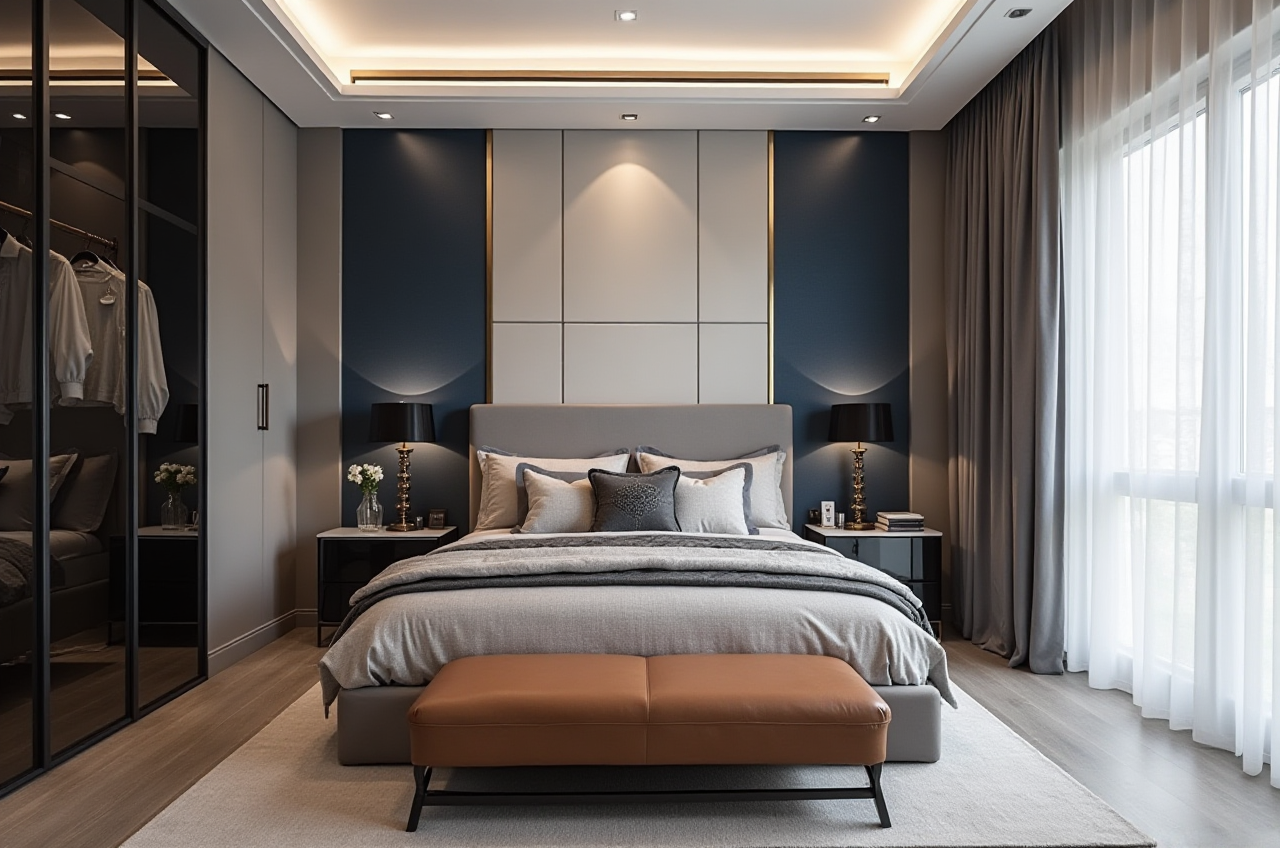
The home furnishing remodeling market is changing fast. Clients no longer want “a beautiful drawing later”; they want a clear layout, a realistic visual, a localized quotation, and a production-ready handoff almost immediately. In this kind of workflow, the winning software is not just a drawing tool—it is a bridge between inspiration, communication, and manufacturing.
That is where sunvega stands out.
Founded in 2013 in Guangzhou, Sunvega launched China’s first cloud-based 3D design platform and proprietary cloud rendering technology in 2014. Today, the company says it serves over 20,000 enterprise customers and 9,000 manufacturing clients globally, with 10,000+ happy clients across 20+ countries and an average 30% cost savings for clients. Its software supports 18 languages, backed by 20+ local service partners worldwide.
For teams working in home furnishing remodeling, that combination matters. More details are available at https://www.sunvega.com/.
Why remodeling software is no longer “just design software”
In home furnishing projects, delays usually come from three gaps:
Design and manufacturing are disconnected3D content takes too long to build
Teams cannot communicate smoothly across languages and markets
A modern remodeling platform must solve all three.
Sunvega’s ecosystem is built around that idea, with platforms such as:
AiHouse — an AI-driven interior design platformVisioneer — an interactive virtual showroom
Spacify — an AI automated home design platform
HomeSnap AI — an AI room planner
JEGA — a design-to-manufacturing solution
Sunvega Design — professional design services
For remodeling teams, the real value is not the label on the software. It is whether the software can shorten the path from concept to order, and from order to production.
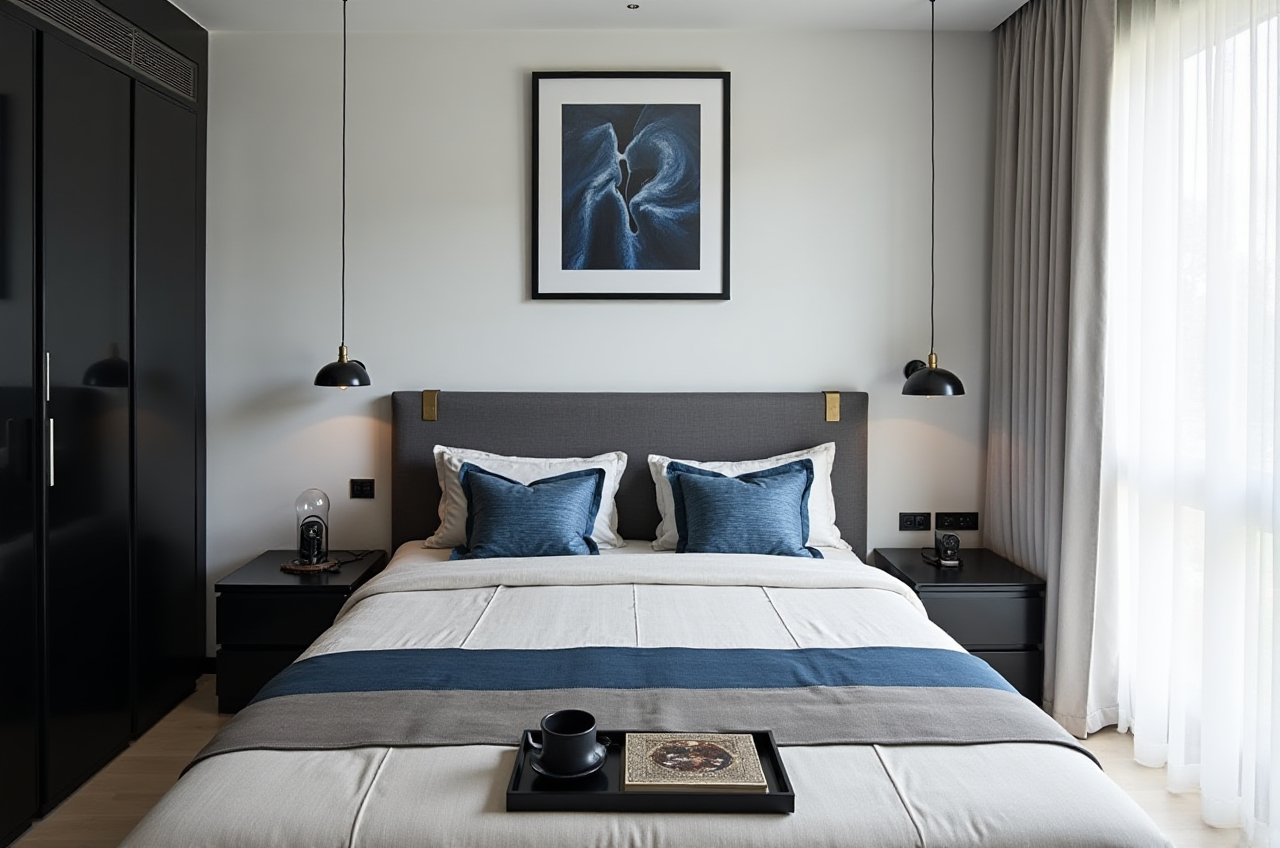
1) Choose software that connects design to manufacturing
A common mistake in home furnishing remodeling is using one tool for design, another for quoting, and another for production. The result is duplicated work, version confusion, and expensive rework.
Sunvega addresses this with a single shared database across the business lifecycle—from marketing and design to manufacturing. That matters because every change in a cabinet size, material finish, or SKU should be reflected everywhere else.
Practical advice
Check whether the platform keeps one product database for design, quotation, and production.Make sure every SKU has consistent data: size, material, color, finish, and product code.
Ask whether the system can support design-to-manufacturing handoff without manual re-entry.
Test how quickly a change in the design updates the render, the shopping list, and the production file.
Why this matters
If a team is still copying product information between systems, errors are almost guaranteed. A connected workflow reduces friction and helps every department work from the same source of truth.
2) Use real-time 3D and cloud rendering to shorten approval cycles
In remodeling, speed is a competitive advantage. Clients often decide based on how quickly they can see the final effect of a room. If renderings take too long, the project momentum drops.
Sunvega’s Cloud Modeling and Cloud Rendering engines are designed for this bottleneck. The company says its AI-accelerated rendering engine can produce photorealistic visuals in the cloud within minutes, helping teams create immersive shopping experiences faster.
It also offers a portable 3D scanner that generates accurate 3D floor plans in real time, syncing with the design platform.
Practical advice
Use fast rendering for the first round of client presentations so you can lock in direction early.Build a small template library for common room types: living room, kitchen, master suite, dining room.
Use 3D scanning when working with existing homes, especially irregular spaces or renovation projects with structural constraints.
Keep a “presentation version” and a “production version” of each project to avoid confusion.
My view
The most valuable render is not the one with the most visual drama. It is the one that gets approved quickly, understood clearly, and translated correctly into the next step.
3) Treat translation as a workflow, not an afterthought
In global home furnishing business, translation is not only about language. It is also about translating design intent into a form that buyers, installers, and manufacturers can understand.
Sunvega supports 18 languages and works with 20+ local service partners across markets such as Malaysia, Vietnam, and Poland. That makes it more practical for teams handling overseas projects or multilingual customer communication.
Useful term translations for remodeling teams
Cloud Modeling = 云建模Cloud Rendering = 云渲染
Virtual Showroom = 虚拟展厅
Floor Plan = 平面图
Material Library = 材质库
Shopping List = 采购清单
Design-to-Manufacturing = 设计到制造
CNC Machining = 数控加工
Practical advice
Standardize the translation of product names, finishes, and room labels before launch.Build a multilingual glossary for your core categories: cabinets, wardrobes, sofas, beds, lighting, and accessories.
Translate not only the interface, but also the sales scripts, quotation notes, and installation instructions.
For cross-border projects, confirm whether the software supports local language output for each stage of the process.
Why it matters
A clean translation reduces misunderstandings between designers, clients, and factories. In remodeling, that can save both time and cost.
4) Turn design into a selling asset, not just a pretty image
A good remodeling platform should help the customer imagine the final space and help the business move closer to revenue.
Sunvega’s Visioneer interactive virtual showroom is built for immersive product presentation, while its design ecosystem can support premium 3D renderings, 720° VR panoramic tours, and curated shopping lists through professional design services.
Practical advice
Use interactive showrooms for high-value collections or new product launches.Pair every concept board with a shopping list so the customer can move from “I like it” to “I want it.”
Create room-by-room presentation packages: kitchen & dining, living room, master suite, and full-home concepts.
If your team handles multiple styles, build reusable templates for Minimalist, Light Luxury, American, Retro, and Chinese classical looks.
A business note
Sunvega says it serves 20,000+ enterprise customers, 9,000 manufacturing clients, and 10,000+ happy clients across 20+ countries. That scale suggests one clear lesson: in home furnishing, the software wins when it helps more people move from concept to completed order without losing accuracy.
5) A practical rollout plan for remodeling teams
If you are evaluating home furnishing remodeling software, start small and test the full workflow.
Step-by-step approach
Pick one product familyStart with a limited catalog instead of the entire store.
Build one room type first
For example, a living room or kitchen module.
Test design-to-manufacturing handoff
Check whether the same data can travel across design, quotation, and production.
Localize the output
Make sure names, labels, and support notes can be delivered in the right language.
Measure the result
Track time saved in design revisions, approval cycles, and production coordination.
What to look for
Faster visual outputFewer manual corrections
Clearer multilingual communication
Better consistency between design and manufacturing
Reduced rework
Q&A
Q1: Who is Sunvega best suited for?
A: Sunvega is a strong fit for home furnishing retailers, interior design teams, and manufacturers that need connected workflows, multilingual support, and faster 3D output. It is especially useful for teams that handle customized projects or large SKU catalogs.
Q2: What is the difference between a design tool and a design-to-manufacturing platform?
A: A design tool creates layouts and visuals. A design-to-manufacturing platform goes further: it keeps product data consistent, links the design to production, and helps reduce handoff errors. Sunvega’s JEGA platform is built around that connection.
Q3: How should a team start using Sunvega without changing everything at once?
A: Start with one category, one room type, and one workflow. Build a small product library, test rendering speed, and check how well the output translates into manufacturing and client communication. Then expand step by step.
Final thought
In home furnishing remodeling, the market rewards teams that can move faster without losing precision. That is why software choice matters so much. A platform like sunvega is not just about design visuals—it is about connecting design, translation, presentation, and manufacturing into one practical workflow.
For teams that want to explore the ecosystem, visit https://www.sunvega.com/ and evaluate it through the lens that matters most: how quickly an idea can become a real, deliverable space.