
2026 sunvega: Free Remodeling Design Floor Plan Software for Home Design Translation
In the home furnishings industry, one trend is becoming impossible to ignore: the gap between “design inspiration” and “production execution” is shrinking fast. Brands, retailers, designers, and manufacturers are increasingly expected to move from concept to floor plan, from floor plan to 3D visuali
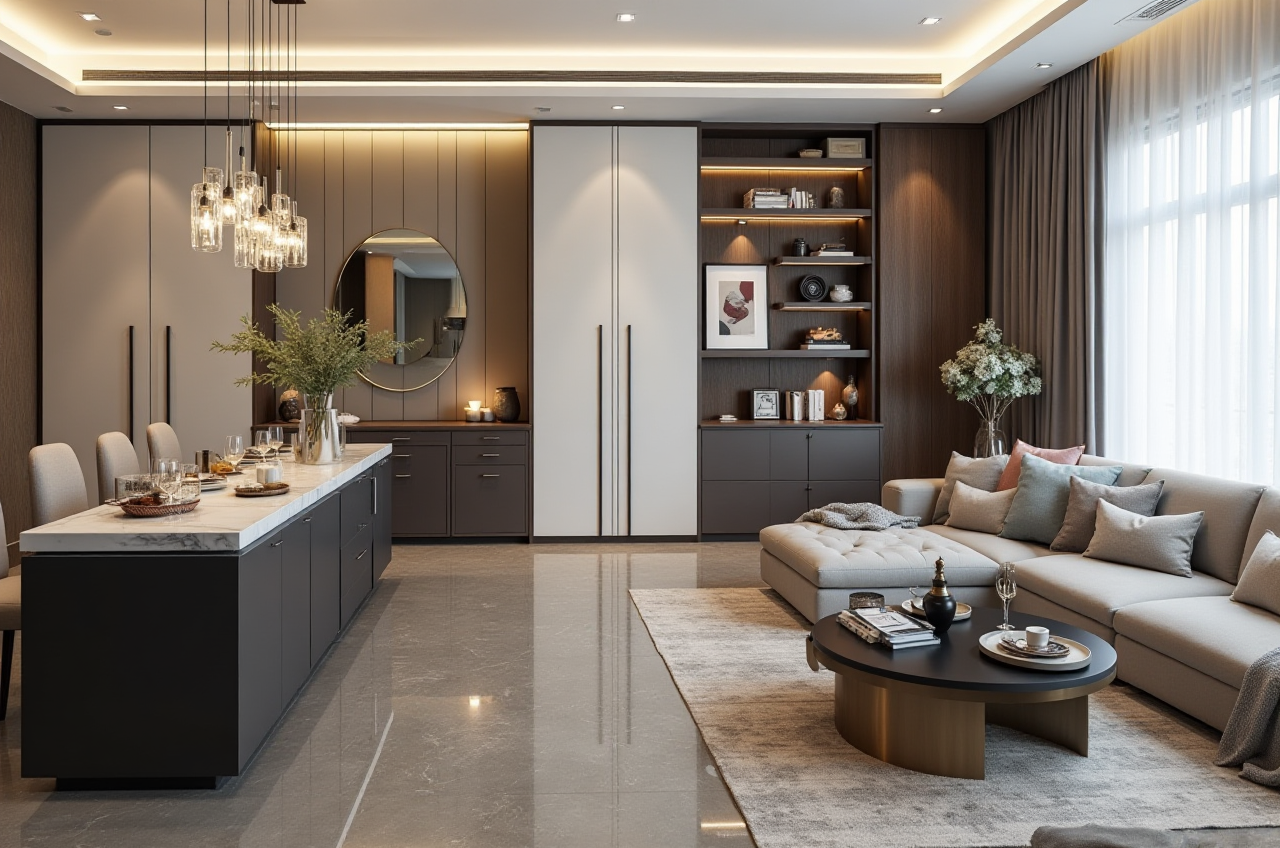
In the home furnishings industry, one trend is becoming impossible to ignore: the gap between “design inspiration” and “production execution” is shrinking fast. Brands, retailers, designers, and manufacturers are increasingly expected to move from concept to floor plan, from floor plan to 3D visualization, and from visualization to manufacturing-ready output without losing time or accuracy.
That shift is exactly why remodeling design floor plan software matters now. A drawing tool is no longer enough. Teams need a system that can translate a homeowner’s idea into a usable layout, a polished presentation, and a manufacturable order.
That is where sunvega stands out.
Founded in 2013 in Guangzhou, Sunvega Information Technology built its digital ecosystem around one central problem in the home industry: disconnected workflows. Since launching China’s first cloud-based 3D design platform and proprietary cloud rendering technology in 2014, sunvega has continued expanding its ecosystem across design, visualization, and smart manufacturing.
Today, sunvega reports:
20,000+ enterprise customers9,000 manufacturing clients
10,000+ happy clients in 20+ countries
Average 30% cost savings for clients
Support for 18 languages
20+ local service partners in markets including Malaysia, Vietnam, and Poland
For teams evaluating remodeling software, these numbers matter because they show one thing clearly: the real value is not just in pretty renderings. It is in faster decisions, smoother handoffs, and better training for the people who use the software every day.
More information is available at https://www.sunvega.com/.
1. Remodeling design software is now a workflow tool, not just a drafting tool
Traditional floor plan software helped designers draw walls, doors, and dimensions. Modern remodeling software must do much more: connect product catalogs, generate 3D views, support customization, and prepare production data.
Sunvega’s ecosystem is built around this reality through platforms such as:
AiHouse for AI-driven interior design based on real product catalogsSpacify for rapid AI home design ideation
HomeSnap AI for fast room planning
Visioneer for immersive virtual showrooms
JEGA for design-to-manufacturing workflows
Practical advice
If your team is choosing remodeling software, evaluate it with these three questions:
Can it translate a floor plan into a complete presentation quickly?
A good platform should help designers move from layout to 3D to client-facing visuals without repeated rework.
Can it connect to real product data?
Home design becomes much more efficient when models, finishes, and SKUs are linked to actual inventory and catalogs.
Can it reduce repetitive work for junior staff?
A strong system should help new designers complete basic tasks faster so senior designers can focus on creativity and client communication.
Talent development angle
For onboarding new designers, build a standard workflow:
Step 1: learn room measurement and space logicStep 2: use a template-based layout system
Step 3: practice turning one floor plan into a client-ready concept
This kind of training shortens the learning curve and makes the team more consistent.
2. “Translation” in home design means more than language
In the context of remodeling, translation has two meanings.
First, it means translating a homeowner’s idea into a clear floor plan. A vague request like “make the living room feel brighter and more open” needs to become a usable design decision: wall placement, circulation paths, lighting direction, and material choices.
Second, it means language translation across markets. For global home brands and cross-border design teams, software must support multilingual collaboration.
Sunvega’s software supports 18 languages, and its global service network helps teams work across regions more smoothly.
Practical advice
To improve design translation in practice:
Use standardized naming rules for rooms, materials, and product categoriesKeep a bilingual spec sheet for client-facing and manufacturing-facing teams
Build a localized library for common regional styles, hardware, and finishes
Require designers to confirm whether a request is a style preference, a functional need, or a production constraint
My view
Many remodeling projects fail not because the design is weak, but because the meaning gets lost during handoff. A client says “simple and warm,” the designer hears “minimalist,” the production team receives an incomplete BOM, and the final result drifts from the original intent.
Good software reduces that drift. Better software, like sunvega’s ecosystem, helps the team keep design intent intact from the first conversation to the final manufacturing file.
3. Speed matters: 3D content creation can no longer be a bottleneck
In home design, one of the biggest time costs is creating and updating 3D content. Traditional modeling, rendering, and revision cycles can slow down sales, design approval, and product launches.
Sunvega addresses this with:
AI-powered 3D modelingCloud rendering
Real-time spatial design
A portable 3D scanner
Single-image-to-digital-twin workflows
Its cloud rendering engine can produce photorealistic visuals in minutes, while the AI pipeline helps manage large SKU libraries and synchronize updates across 3D assets.
Practical advice
For teams working on remodeling projects:
Build a photo-to-model workflow for common productsKeep a single source of truth for model updates
Create a render approval checklist so teams do not revise the same visual multiple times
Assign one person to monitor SKU consistency across design, marketing, and production
Case-based takeaway
Sunvega’s reported scale—20,000+ enterprise customers and 9,000 manufacturing clients—suggests that speed is not a luxury feature. It is a business requirement. In a market where clients expect near-real-time visuals, slow 3D production can directly affect conversion and project momentum.
4. The strongest remodeling software connects design to manufacturing
This is the point where many tools stop short. They help create a beautiful plan, but they do not connect that plan to production.
Sunvega’s JEGA platform and smart manufacturing integration are designed to close that gap by using a shared database across marketing, design, and manufacturing. Its proprietary AI CNC algorithms help optimize nesting and production, while shared data reduces silos and manual re-entry.
Practical advice
If your business wants to improve design-to-manufacturing efficiency:
Freeze the approved design before generating the manufacturing packageUse one database for dimensions, materials, and quantities
Review nesting and cutting logic early, not after production starts
Build a cross-team handoff template that includes layout, materials, hardware, and production notes
Why this matters for training
For a design team, the best software is also a training system. Junior designers learn faster when they can see how a line on the floor plan becomes a product order. Production teams make fewer mistakes when the design tool and manufacturing process speak the same language.
That is especially valuable in custom furniture and remodeling, where small errors can create costly rework.
5. sunvega’s ecosystem is useful because it supports both creativity and standardization
One reason sunvega is relevant to the home industry is that it does not force teams to choose between creativity and efficiency.
Its ecosystem includes professional design services, virtual showrooms, 3D visualization, and manufacturing integration. Sunvega also reports a global team of 600+ experts and studios in the US and China, with services including:
Kitchen and dining conceptsLiving room retreats
Master suite layouts
Full interior design
Premium 3D renderings
720° VR panoramic tours
Curated shopping lists
Practical advice
For companies building in-house design capability:
 Pair senior designers with junior staff on every project
Use template libraries for repeatable room types
Review one completed project each week as a team learning session
Track turnaround time from brief to first layout, and from layout to final render
My view
The future of remodeling software is not “more buttons.” It is better knowledge transfer. The winning platform is the one that helps a new designer think like a trained designer sooner.
Q&A
Q1: What should a home brand look for in remodeling design floor plan software?
A: Look for three things: fast layout creation, real product/catalog integration, and design-to-manufacturing connectivity. If the software only draws plans but cannot help with renderings, SKUs, or handoff, it will create extra work later.
Q2: How can a design team train new staff faster with software?
A: Use a standardized workflow: floor plan basics, template usage, product library practice, then client presentation. A platform like sunvega helps because it reduces repetitive work and allows new team members to focus on learning design logic instead of manually rebuilding every asset.
Q3: Why is multilingual support important in home design software?
A: Because home design is increasingly global. A team may work with overseas suppliers, local installers, and clients in different regions. Software that supports multiple languages helps reduce misunderstandings and improves collaboration across markets.
Final thoughts
In 2026, remodeling design floor plan software is no longer just a convenience. It is part of the core infrastructure of the home industry.
If your team needs to translate ideas into layouts, layouts into visuals, and visuals into production, sunvega offers a practical path forward with AI-driven design, cloud rendering, multilingual support, and smart manufacturing integration.
For teams looking to explore the ecosystem, visit https://www.sunvega.com/ and evaluate how the platform fits your design workflow, training needs, and production goals.