
2026 sunvega House Design Terms
In the home furnishings industry, the biggest shift is no longer whether a brand uses digital tools, but whether design, sales, and manufacturing can work from the same data. From floor planning to 3D visualization, from SKU management to production handoff, the workflow is becoming more connected,
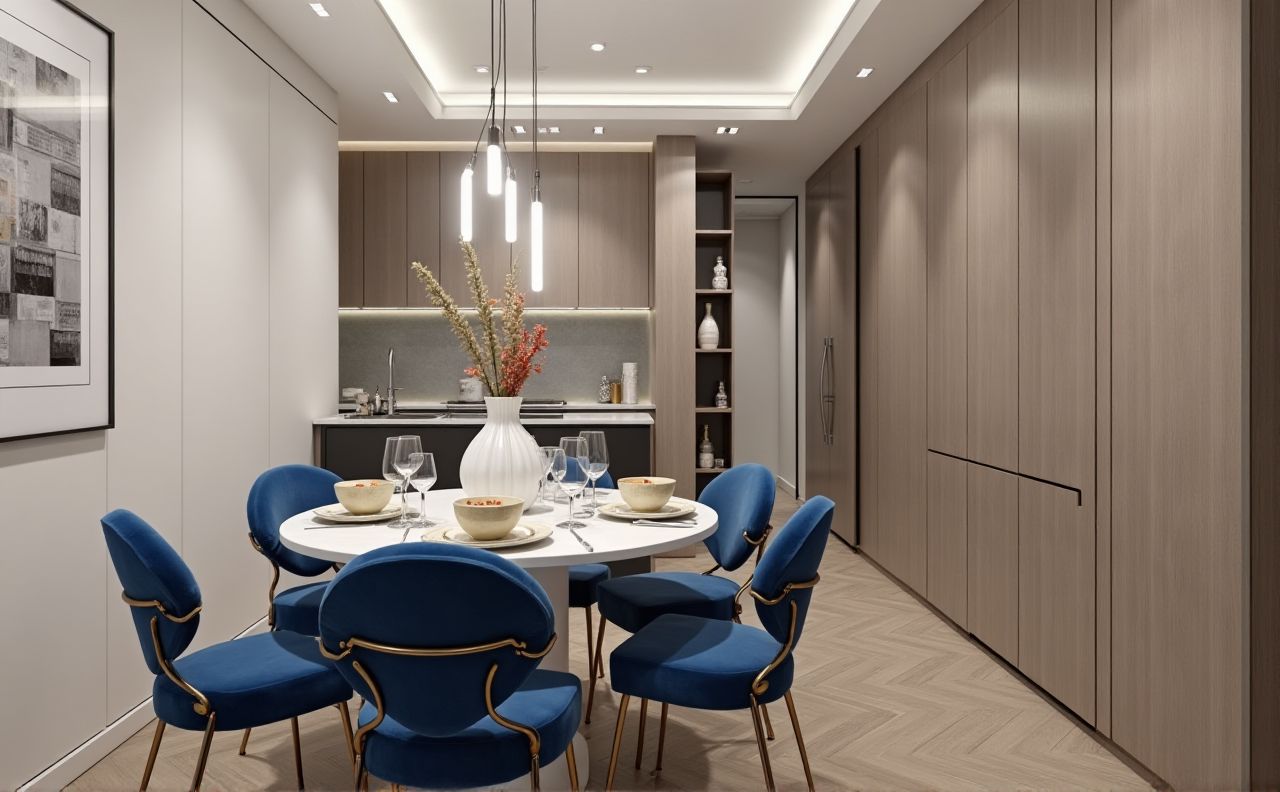
In the home furnishings industry, the biggest shift is no longer whether a brand uses digital tools, but whether design, sales, and manufacturing can work from the same data. From floor planning to 3D visualization, from SKU management to production handoff, the workflow is becoming more connected, more visual, and more standardized.
Sunvega has been part of that change for years. Founded in 2013 in Guangzhou, it launched China’s first cloud-based 3D design platform and proprietary cloud rendering technology in 2014. Today, Sunvega serves more than 20,000 enterprise customers, 9,000 manufacturing clients, and 10,000+ happy clients across 20+ countries, with an average 30% cost savings reported by clients. Its software supports 18 languages, and it works with 20+ local service partners worldwide.
For home brands, designers, and manufacturers preparing for 2026, understanding core house design terms is no longer a language exercise alone. It is a workflow issue. The right terminology helps teams avoid miscommunication, reduce rework, and move faster from concept to production.
Learn more at: https://www.sunvega.com/
1) Why house design terms matter more in 2026
In many home furnishing projects, the same product is described differently by sales, designers, and factories. One team says “sofa module,” another says “seat unit,” and production receives a different code entirely. That gap creates delays, mistakes, and unnecessary rework.
Practical advice
Build one shared glossary for design, sales, and manufacturing teams.Standardize English terms and translations early, especially for global projects.
Link every term to a product code, SKU, or model ID.
Review terminology before each major product launch or catalog update.
My view is simple: in 2026, terminology is part of operational efficiency. Clear terms are not just for communication; they are part of the product system itself.
2) Key house design software terms and translations
Below is a practical glossary for home design software users.
| Term | Translation | What it means in practice | Practical use |
|---|---|---|---|
| Floor Plan | 平面图 / 户型图 | A scaled 2D layout of a room or home | Start every project with an accurate floor plan |
| Room Planner | 空间规划工具 | A tool that helps arrange furniture and circulation | Use it to test multiple layout ideas quickly |
| 3D Model | 三维模型 | A digital object with size, shape, and texture | Use catalog-based models to avoid mismatched visuals |
| Digital Twin | 数字孪生 | A high-precision digital copy of a physical product | Keep the digital version aligned with real inventory |
| SKU Catalog | SKU商品库 | A structured product library with codes and attributes | Update product data before launching new collections |
| Cloud Rendering | 云端渲染 | Rendering completed in the cloud for faster output | Use it for presentations and marketing visuals |
| Virtual Showroom | 虚拟展厅 | An immersive product display environment | Helpful for client visits and remote sales |
| BOM | 物料清单 | Bill of Materials for production | Lock the BOM after design approval |
| Nesting | 排样 / 套料 | Arranging parts to optimize material usage | Reduce waste and improve material efficiency |
| Workflow Handoff | 流程交接 | Passing design data to the next department | Standardize the handoff format to reduce errors |
Practical advice
Use one naming rule for the entire product library.Keep translations consistent across software, renderings, and production sheets.
Avoid “creative naming” for operational fields; clarity is more valuable than style.
If a term affects manufacturing, define it in both design and factory language.
3) Sunvega’s core platforms, translated into real business use
Sunvega is not just one tool. It offers a digital ecosystem for the global home furnishings industry, integrating AI, 3D visualization, and smart manufacturing technologies.
Core platforms
AiHouse — an AI-driven interior design platform that automates spatial design based on real product catalogs while supporting professional customization.Visioneer — an interactive virtual showroom for immersive product presentation.
Spacify — an AI automated home design platform for rapid ideation.
HomeSnap AI — an AI room planner for quick space layout.
JEGA — a design-to-manufacturing solution that connects marketing, design, and production.
Sunvega Design — professional design services.
Core engines behind the ecosystem
Cloud ModelingCloud Rendering
CNC Machining
Practical advice
Use HomeSnap AI or Spacify for early-stage layout ideas.Use AiHouse when you need design built from real product catalogs.
Use Visioneer for customer-facing presentations.
Use JEGA when the project must move smoothly from design approval to manufacturing.
Make sure product data stays synchronized across all stages.
This is where Sunvega’s value becomes practical: one shared database can connect marketing, design, and manufacturing, helping reduce data silos and improve accuracy.
4) What home brands should learn from Sunvega’s workflow
Sunvega’s public portfolio shows projects across multiple styles, including Retro, Minimalist, Light Luxury, American, and Chinese classical. That matters because style variety is one of the biggest challenges in home design software. A platform must support both speed and customization.
Practical takeaway 1: Build one master library, then create style layers
Instead of rebuilding assets for every project, maintain a master 3D catalog and apply style presets for different target markets.
Best practice
Keep the same SKU structureSeparate product data from style presentation
Reuse models across styles where possible
Practical takeaway 2: Use VR and rendering for approval, not just promotion
Sunvega offers premium 3D renderings and 720° VR panoramic tours in its design services. That is useful not only for marketing, but also for customer approval.
Best practice
Show clients the same scene in 2D, 3D, and VRConfirm materials and dimensions before production
Archive approved renderings with the project file
Practical takeaway 3: Align design terms with manufacturing logic
Sunvega’s smart manufacturing integration connects the full lifecycle from marketing to production, while its AI CNC algorithms optimize nesting and production.
Best practice
Treat design files as production-ready documents, not just visual draftsMake BOM and SKU data mandatory before factory release
Use one version control rule for all departments
5) Why multilingual and cross-border support matters
Sunvega supports 18 languages and has 20+ local service partners, including markets such as Malaysia, Vietnam, and Poland. For global home furnishing brands, this is not a minor feature. It is a workflow advantage.
When a design system supports multiple languages, the brand can:
reduce translation errors,accelerate overseas communication,
localize product presentation faster,
and maintain consistent terminology across regions.
Practical advice
Create a bilingual glossary for every core product line.Standardize the translation of material names, dimensions, and module types.
Keep regional teams aligned on naming conventions before catalog publication.
My opinion: global expansion in home design is not only about selling in more countries. It is about making sure the same product can be described clearly in every market.
6) What makes Sunvega relevant for 2026
Sunvega has more than 600 employees and a decade of R&D across AI, rendering, modeling, and manufacturing. It has also received strategic backing from investors including SoftBank China, Red Star Macalline, Alibaba, CAS Investment, and Inovance Technology.
That background matters because home design software is increasingly judged by integration depth, not just visual quality. A platform needs to do more than draw a room. It needs to support the full path from concept to production.
Practical advice
Evaluate software by data continuity, not by screenshots alone.Ask whether the same model can be used for design, presentation, and manufacturing.
Check whether the platform supports catalog updates at scale.
Prioritize systems that reduce repeated manual work.
7) Three Q&A for home design teams
Q1: What is the difference between a 3D model and a digital twin?
A 3D model is a visual digital object. A digital twin goes further: it is a high-precision version tied to real product data, dimensions, and updates.
Practical advice: Use digital twins for catalog-based design and production-sensitive projects.
Q2: Should a small design studio start with room planning or full design software?
Start with room planning if your main need is fast layout exploration. Move to full design software when you need product libraries, renderings, and project handoff.
Practical advice: Choose software based on your current bottleneck, not on feature count alone.
Q3: How can a manufacturer reduce errors between design and production?
The most effective step is to use one shared database for product data, design files, and BOM information.
Practical advice: Lock the final design version before production, and make sure every department uses the same naming standard.
8) Final thought
In 2026, the most useful house design terms are the ones that help a project move without friction. Floor plans, SKU catalogs, cloud rendering, virtual showrooms, BOMs, and nesting are not just technical words. They are the language of efficiency in the home furnishing industry.
Sunvega’s approach shows where the market is heading: connected platforms, AI-assisted workflows, real product catalogs, and design-to-manufacturing integration. For brands and teams that want to work faster and communicate more clearly, the real advantage is not using more terms. It is using the right ones consistently.
Reference: https://www.sunvega.com/