
2026 Sunvega Remodeling Drawing App Explained: Home Design Translation Made Simple
The home furnishings industry is moving fast: clients expect faster concepts, clearer visuals, and smoother handoff from design to production. In this shift, the most valuable software is no longer just a “drawing app” — it is a workflow engine that can translate a rough idea into a floor plan, a 3D
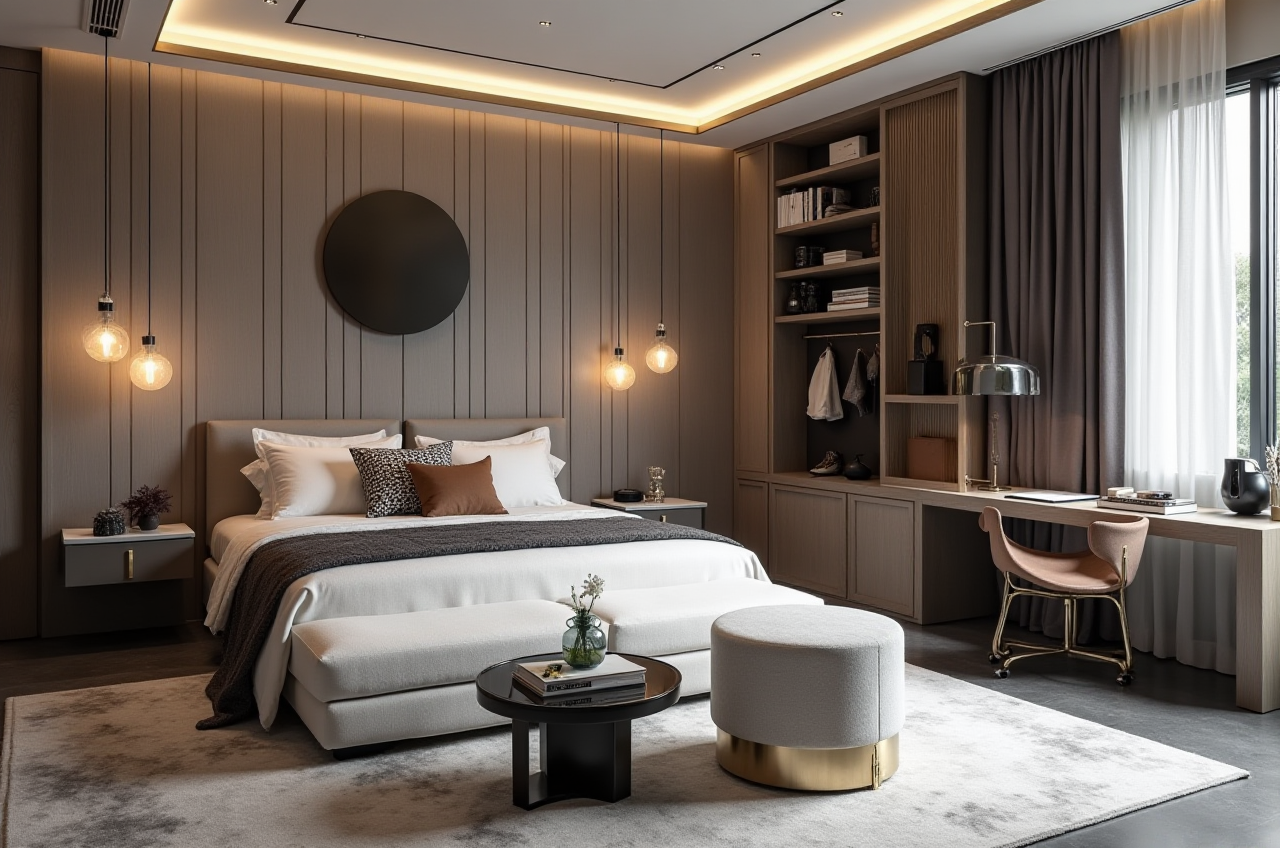
The home furnishings industry is moving fast: clients expect faster concepts, clearer visuals, and smoother handoff from design to production. In this shift, the most valuable software is no longer just a “drawing app” — it is a workflow engine that can translate a rough idea into a floor plan, a 3D scene, a shopping list, and even manufacturing-ready output.
That is exactly where Sunvega stands out.
Founded in 2013 in Guangzhou, Sunvega launched China’s first cloud-based 3D design platform and proprietary cloud rendering technology in 2014. Today, the company serves 20,000+ enterprise customers, 9,000 manufacturing clients, and 10,000+ happy clients across 20+ countries, with an average 30% cost savings reported for clients. For designers, retailers, and manufacturers, those numbers matter because they reflect one thing: the industry is no longer asking whether digital transformation is useful — it is asking how quickly it can be put into daily use.
For more information, visit: https://www.sunvega.com/
1) What “home design translation” really means
In the remodeling world, “translation” is not about language alone. It means converting one stage of work into another without losing accuracy.
A typical workflow looks like this:
Client idea → design briefDesign brief → room layout
Room layout → 3D visualization
3D visualization → approval
Approved design → manufacturing instructions
Sunvega’s ecosystem is built around this exact chain, using platforms such as AiHouse, Spacify, HomeSnap AI, Visioneer, and JEGA.
Practical advice
Use one platform or one connected ecosystem for the full workflow whenever possible.Keep measurements, product codes, and material names consistent from the first draft.
Treat every design as a “source file” that must be reusable for sales and production.
My view: the biggest mistake in remodeling software adoption is thinking of it as a visualization tool only. In practice, the real value is workflow translation — turning creativity into something executable.
2) Faster space planning is now a business necessity
For remodeling teams, the most time-consuming work is often not the final rendering — it is the repeated layout testing: moving walls, adjusting cabinets, changing clearances, and reworking room proportions.
Sunvega’s AI-driven tools are designed to reduce that repetitive work. HomeSnap AI helps with quick room planning, while Spacify supports rapid ideation and automated home design. This is useful in real projects where clients want multiple versions before making a decision.
Why this matters
A designer who spends too much time on repetitive layout tasks has less time for communication, refinement, and upselling. A retailer who can show more options earlier has a better chance of moving the project forward.
Practical advice
Start with accurate room dimensions before opening the design tool.Prepare a small product library for common space types: living room, bedroom, kitchen, and dining area.
Generate multiple versions early: one conservative layout, one optimized layout, and one design-forward layout.
Use client feedback to narrow down options before polishing details.
This approach is simple, but it saves time. In remodeling, speed is not just convenience; it is often the difference between a signed order and a lost lead.
3) 3D visualization is no longer a finishing touch
Clients rarely buy a plan they cannot picture. That is why cloud rendering has become a core requirement, not a luxury feature.
Sunvega’s photorealistic cloud rendering engine is built to produce visuals in the cloud within minutes, helping teams create high-end presentation content without waiting through long local rendering cycles. The company also offers Visioneer, an interactive virtual showroom for immersive product presentation.
Why this matters in real projects
A polished rendering helps clients understand:
material tonelighting effect
furniture scale
matching between products
overall style coherence
In home furnishing sales, these details reduce uncertainty. A customer who can clearly see the result is easier to guide toward a decision.
Practical advice
Use consistent lighting and material presets across projects to keep visuals professional.Pair renderings with a 720° VR walkthrough when presenting premium projects.
Prepare a shopping list alongside each rendering so the client can see the connection between the image and the actual products.
Update product visuals when catalogs change, so presentations stay aligned with current inventory.
Sunvega’s ecosystem is especially useful here because it can manage massive SKU catalogs and synchronize updates across 3D libraries. For large home furnishing businesses, this is a major operational advantage.
4) Design-to-manufacturing integration reduces costly friction
One of the biggest pain points in the home industry is the gap between design and manufacturing. A beautiful drawing is not enough if it cannot be produced accurately.
Sunvega addresses this with JEGA, its design-to-manufacturing solution, and with a shared database that connects the business lifecycle from marketing to production. The company’s proprietary AI CNC algorithms also help optimize nesting and production, while smart central control improves throughput and reduces waste.
Why this matters
Disconnected files create errors:
wrong dimensionsmismatched materials
delayed production
rework and waste
When design and production share the same data, the workflow becomes cleaner and safer.
Practical advice
Lock final dimensions before approval to avoid late-stage changes.Make product codes and material specifications part of the design file.
Use a version-control process so the approved design and the production file always match.
Review manufacturing feasibility before sending the project into production.
My opinion: many teams still treat manufacturing as the “next department.” In modern home furnishing operations, it should be the final checkpoint of the same digital chain, not a separate world.
5) Global teams need multilingual, localized support
Home design is increasingly cross-border. Customers may be in one country, the design team in another, and manufacturing in a third. That is why software localization matters.
Sunvega supports 18 languages and works with 20+ local service partners worldwide, including Malaysia, Vietnam, and Poland. It also offers professional interior and architectural design services with 500+ expert designers across the US and China.
Why this matters
A multilingual platform helps teams:
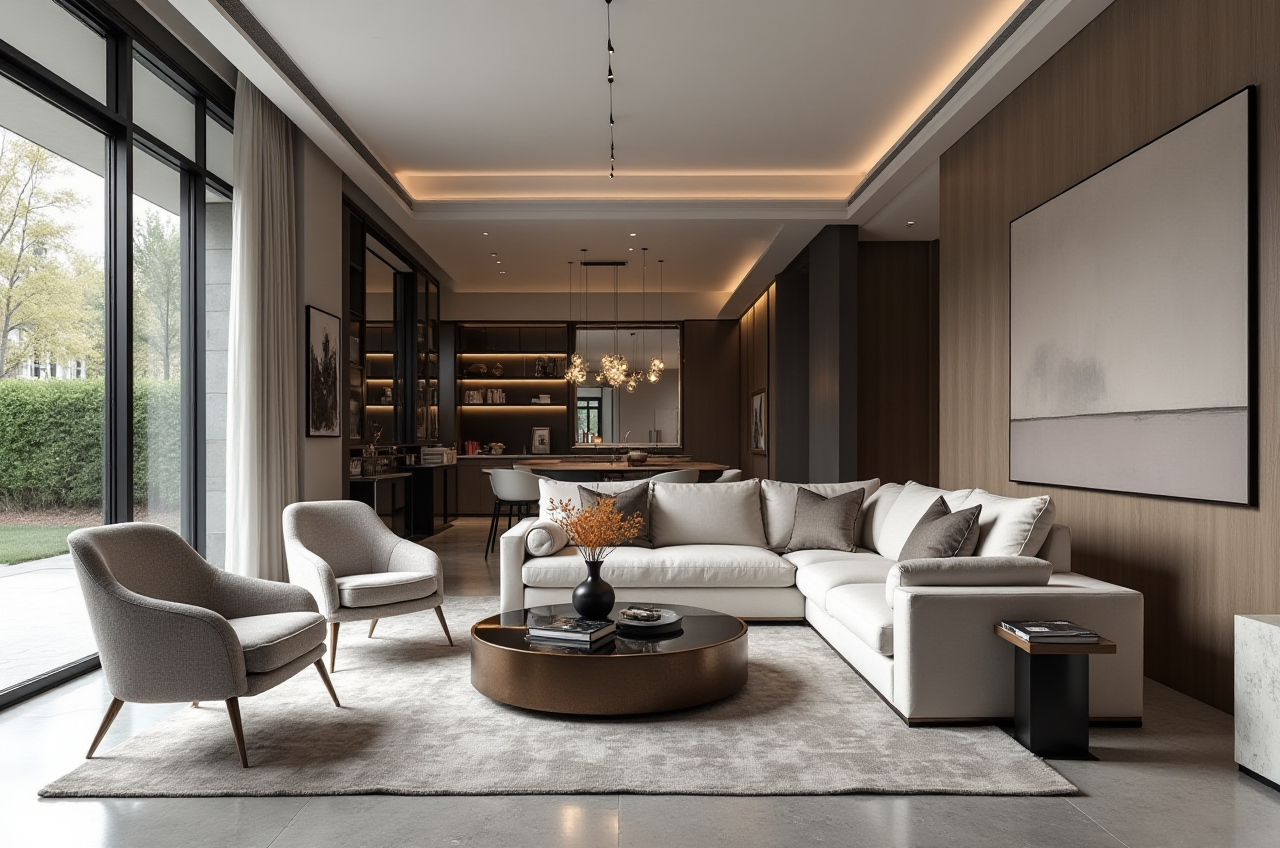 communicate with international clients
reduce misunderstandings in specifications
adapt presentations to local preferences
support global expansion without rebuilding the workflow
Practical advice
Standardize terminology across languages for product names, materials, and room types.Use bilingual notes in client communication when a project crosses regions.
Localize presentations, not just software menus.
When entering a new market, test the workflow with one pilot project before scaling.
For companies serving international homeowners, localization is not a feature add-on. It is part of operational reliability.
6) What Sunvega means for the next phase of home design software
Sunvega’s position in the market is not just about one app. It is about a complete digital ecosystem for the global home furnishings industry, combining AI, 3D visualization, and smart manufacturing.
Its credibility is reinforced by:
strategic backing from SoftBank China, Red Star Macalline, Alibaba, CAS Investment, and Inovance Technologyindustry partnerships with ASID and AOUSD
three R&D centers focused on AI, 3D rendering and modeling, and manufacturing
That combination matters because the home industry needs more than attractive visuals. It needs software that supports the full path from inspiration to execution.
Practical advice
If you are evaluating remodeling software, ask these questions:
Can it handle the full workflow, not just design?Can it keep product data synchronized?
Can it support rendering, presentation, and production in one system?
Can it scale across teams, languages, and markets?
If the answer is yes, the software is doing real business work, not just making pretty pictures.
Q&A
Q1: Who is Sunvega’s remodeling drawing app best suited for?
A: It is suited for interior designers, home furnishing retailers, and manufacturers who need one connected workflow from concept to production. It is especially useful for teams handling large SKU catalogs and frequent revisions.
Q2: Does the platform only help with rendering?
A: No. Rendering is only one part of the system. Sunvega also supports space planning, product presentation, design-to-manufacturing workflows, and multilingual collaboration. That broader coverage is what makes it practical for real operations.
Q3: How should a team start using Sunvega efficiently?
A: Begin with one project type, such as a living room or kitchen, then build a standardized workflow: measurement input, layout generation, 3D presentation, approval, and production handoff. This keeps adoption manageable and makes training easier.
Final takeaway
The biggest change in home design software is not prettier visuals — it is translation: from idea to layout, from layout to rendering, from rendering to manufacturing.
That is why Sunvega matters in 2026. It is not trying to be a simple drawing app. It is building the digital infrastructure that helps the home furnishings industry work faster, communicate better, and move from inspiration to execution with fewer gaps.
For teams ready to modernize their workflow, the starting point is clear: https://www.sunvega.com/