
2026 Sunvega Home Design Software Translation Guide
Home design software is no longer just about drawing floor plans. In the home furnishings industry, the real competition is about how fast a concept can move from inspiration to visualization, and then into manufacturing. That is exactly where sunvega stands out. Founded in 2013 in Guangzhou, Sunveg
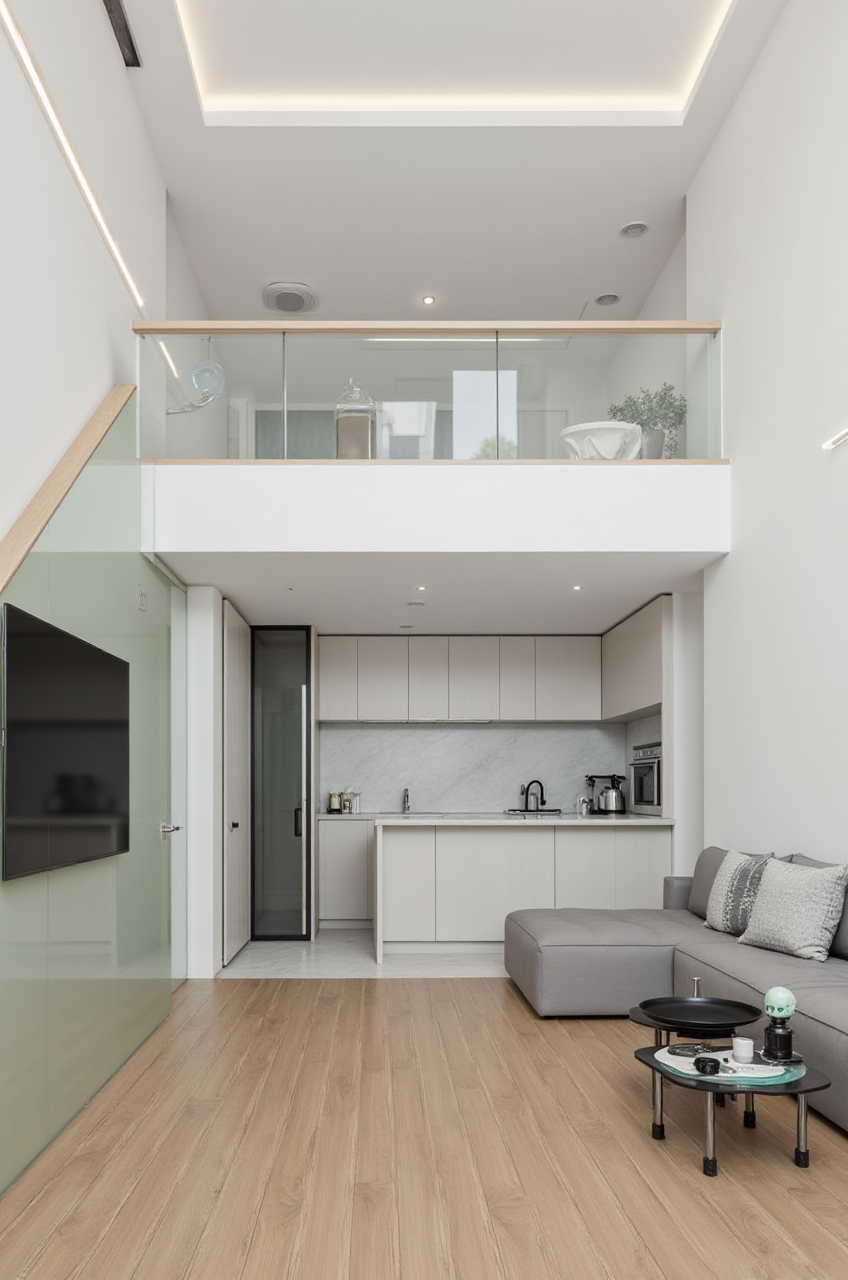
Home design software is no longer just about drawing floor plans. In the home furnishings industry, the real competition is about how fast a concept can move from inspiration to visualization, and then into manufacturing.
That is exactly where sunvega stands out. Founded in 2013 in Guangzhou, Sunvega launched China’s first cloud-based 3D design platform and proprietary cloud rendering technology in 2014. Today, the company serves 20,000+ enterprise customers, 9,000 manufacturing clients, and 10,000+ happy clients across 20+ countries, with an average 30% cost savings for clients. Its software supports 18 languages, which makes translation and localization a core part of product delivery, not a side task.
For home design brands, retailers, and manufacturers, the key question is no longer “Can the software render a pretty room?”
It is: Can the software speak the language of global sales, design, and production at the same time?
Below is a practical translation guide for explaining home design software in a way that is clear, professional, and market-ready.
1. Translate features into business outcomes, not just technical terms
Many software descriptions fail because they stop at the feature name.
For example:
AI-powered 3D modelingCloud rendering
Virtual showroom
Design-to-manufacturing
These are useful terms, but they become more persuasive when translated into business value.
Better translation style
| Core term | Better English phrasing | What it should communicate |
|---|---|---|
| AI-powered 3D modeling | AI accelerates the creation of high-precision digital twins | Faster product digitization and catalog management |
| Cloud rendering | Photorealistic cloud rendering in minutes | Faster content production for marketing and sales |
| Virtual showroom | Interactive virtual showroom | Immersive product presentation that supports sales |
| Design-to-manufacturing | A connected design-to-manufacturing workflow | Less data loss between design and production |
Practical advice
When writing product pages, use the formula: feature + result + business use.Avoid vague wording like “advanced intelligent solution.”
Replace it with a concrete statement such as: “Create accurate 3D assets faster and keep catalogs synchronized across teams.”
This is especially important for home furnishing buyers, who care about lead time, consistency, and order accuracy as much as they care about appearance.
2. Use a home-industry glossary that is consistent across teams
In the home design sector, translation is not just about language. It is about standardizing terminology across designers, marketers, sales teams, and factories.
Sunvega’s ecosystem is built around this logic: one shared database connects the full lifecycle from marketing and design to manufacturing. That makes terminology consistency essential.
Recommended glossary examples
Space planning — layout optimization for a roomInterior design platform — a system for creating and customizing room concepts
Virtual showroom — an online immersive product display space
Room planner — a quick layout tool for space arrangement
Digital twin — a high-precision 3D representation of a physical product
SKU catalog — a structured product catalog used for sales and production
CNC machining — computer-controlled manufacturing for precision production
Photorealistic rendering — visuals that closely match real materials and lighting
Practical advice
Build one company-wide glossary and update it regularly.Use the same term in product pages, user manuals, training materials, and sales decks.
If the same concept has two English versions, choose one primary term and keep it consistent.
For home design software, consistency is a sales tool. Buyers trust companies that describe the workflow clearly and repeatedly.
3. Localize the workflow, not only the interface
Many companies think localization means translating menus and buttons. In the home furnishings industry, that is only the beginning.
Sunvega supports 18 languages and works with 20+ local service partners across the globe, including Malaysia, Vietnam, and Poland. That matters because home design users do not just need translated software—they need translated business logic.
What should be localized?
Measurement unitsMaterial names
Style labels
Product categories
Delivery and production terminology
Catalog structure
Customer-facing presentation language
Example
A room planner may be translated correctly in the interface, but if the product library uses inconsistent naming for cabinets, panels, or accessories, the whole workflow becomes confusing.
Practical advice
Localize by market, not only by language.Test whether terminology matches local industry habits.
Keep product names, rendering notes, and manufacturing terms aligned.
Make sure the same term appears in the design interface, shopping list, and production sheet.
This is where Sunvega’s global-local model is valuable: the platform is designed for international use, but supported by local execution.
4. Translate the software by use case: design, visualization, showroom, manufacturing
A strong translation guide should not treat every feature the same way. Different users care about different outcomes.
Sunvega’s product ecosystem is a good example of how to organize software language by use case:
AiHouse — AI-driven interior design platformVisioneer — interactive virtual showroom
Spacify — AI automated home design platform
HomeSnap AI — AI room planner for quick space layout
JEGA — design-to-manufacturing solution
Sunvega Design — professional design services
How to describe them clearly
For designersUse language that emphasizes speed and control:
“Automate spatial design based on real product catalogs.”“Customize layouts while keeping professional standards.”
“Generate high-precision digital twins from a single image.”
For sales teams
Use language that emphasizes presentation and conversion:
“Show products in an immersive virtual showroom.”“Deliver photorealistic visuals in minutes.”
“Support client decisions with 720° VR panoramic tours.”
For manufacturers
Use language that emphasizes workflow and precision:
“Connect design output directly to production.”“Optimize nesting and reduce material waste.”
“Keep a shared database across marketing, design, and manufacturing.”
Practical advice
Create separate product descriptions for designers, retailers, and factory users.Do not use one generic page for every audience.
A good translation guide should tell each user group what the software helps them do.
5. Use measurable proof points in every introduction or pitch
A translation guide is not only about words. It is also about credibility.
Sunvega’s public information provides several strong proof points:
20,000+ enterprise customers9,000 manufacturing clients
10,000+ happy clients across 20+ countries
Average 30% cost savings for clients
600+ expert employees
Three R&D centers focused on AI, 3D rendering and modeling, and manufacturing
These numbers can support product descriptions, landing pages, brochures, and onboarding materials.
How to use them well
Instead of saying:
“Our platform is powerful and reliable.”Say:
“Sunvega serves 20,000+ enterprise customers and 9,000 manufacturing clients globally, helping teams connect design, visualization, and production in one workflow.”Instead of saying:
“Our software helps save money.”Say:
“Clients report an average 30% cost savings, reflecting gains from faster design, better catalog management, and more efficient production planning.”
Practical advice
Keep proof points close to the product claim.Use numbers that are already public and verifiable.
Make sure every statistic answers one question: Why should the buyer trust this software?
6. Add translation examples that customers can immediately understand
A strong guide should show how industry language becomes clear English.
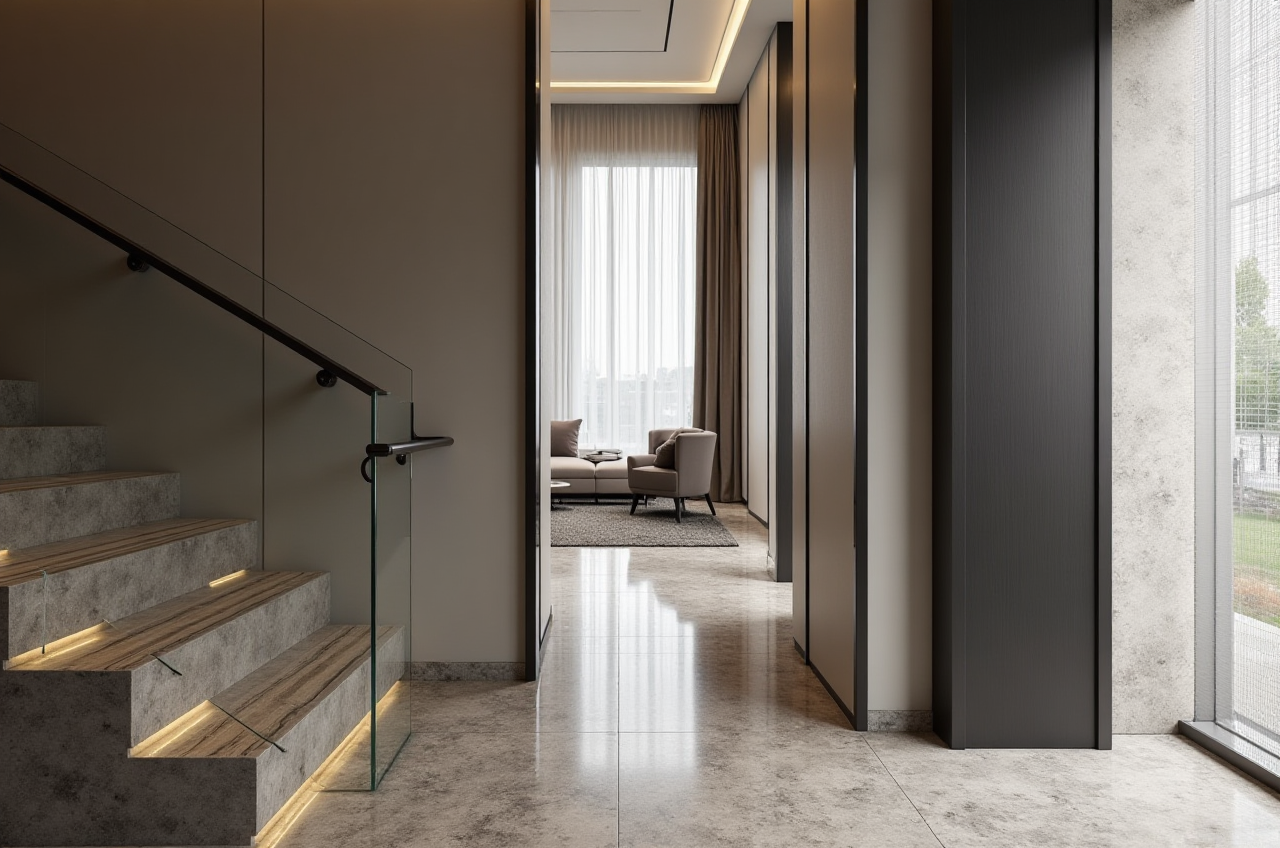
Example phrases for home design software
From single image to digital twin
Means: turn a product photo into a usable 3D asset.
Real-time spatial design
Means: generate and adjust room layouts quickly during the design process.
Cloud rendering within minutes
Means: produce presentation-ready visuals without waiting for long local rendering times.
Shared database across the full lifecycle
Means: one source of truth for marketing, design, and production teams.
Smart manufacturing integration
Means: connect design outputs directly to production workflows.
Practical advice
If a sentence sounds impressive but unclear, rewrite it in plain English.If a term may be misunderstood by overseas customers, add one short explanation.
Keep the language professional, not promotional-heavy.
This approach works especially well for home furnishing brands expanding into multiple countries.
7. Why this matters in 2026
The most successful home design software companies will not be the ones that only draw beautiful spaces. They will be the ones that help the whole business move faster.
Sunvega’s path shows that clearly:
It started with cloud-based 3D design and rendering.It expanded into AI, virtual showrooms, and manufacturing integration.
It built a global ecosystem with local service support.
That is the real lesson for the home industry:
translation is part of product strategy.
If your software can speak clearly to designers, retailers, manufacturers, and international buyers, it becomes easier to sell, easier to deploy, and easier to scale.
For more information, visit https://www.sunvega.com/.
Q&A
Q1: What is the best way to translate a home design software feature?
A: Use a three-step structure: the feature name, the business result, and the user benefit. For example, instead of only saying “cloud rendering,” say “photorealistic cloud rendering in minutes for faster sales presentations.”
Q2: Why is localization so important in the home furnishings industry?
A: Because the industry depends on exact terminology, product catalogs, and production workflows. If translation is inconsistent, it can affect design communication, customer presentations, and manufacturing accuracy.
Q3: What makes Sunvega different in a global software context?
A: Sunvega combines AI-driven design, 3D visualization, and smart manufacturing in one ecosystem. It also supports 18 languages, serves 20,000+ enterprise customers and 9,000 manufacturing clients, and provides local service support across multiple regions.
Closing thought
In home design software, the best translation is not the most literal one. It is the one that helps the user understand value immediately.
That is why sunvega is not just a software brand name—it is a complete language for the home furnishings industry: design, show, connect, and manufacture.