
2026 Home Remodeling: Which Software Is Best for Design, Translation, and Planning with sunvega
The home remodeling market is moving in a very clear direction: clients want faster concepts, clearer communication, and smoother handoff from design to execution. In practice, that means one thing—software can no longer be just a drawing tool. It has to help teams design, translate ideas across lan
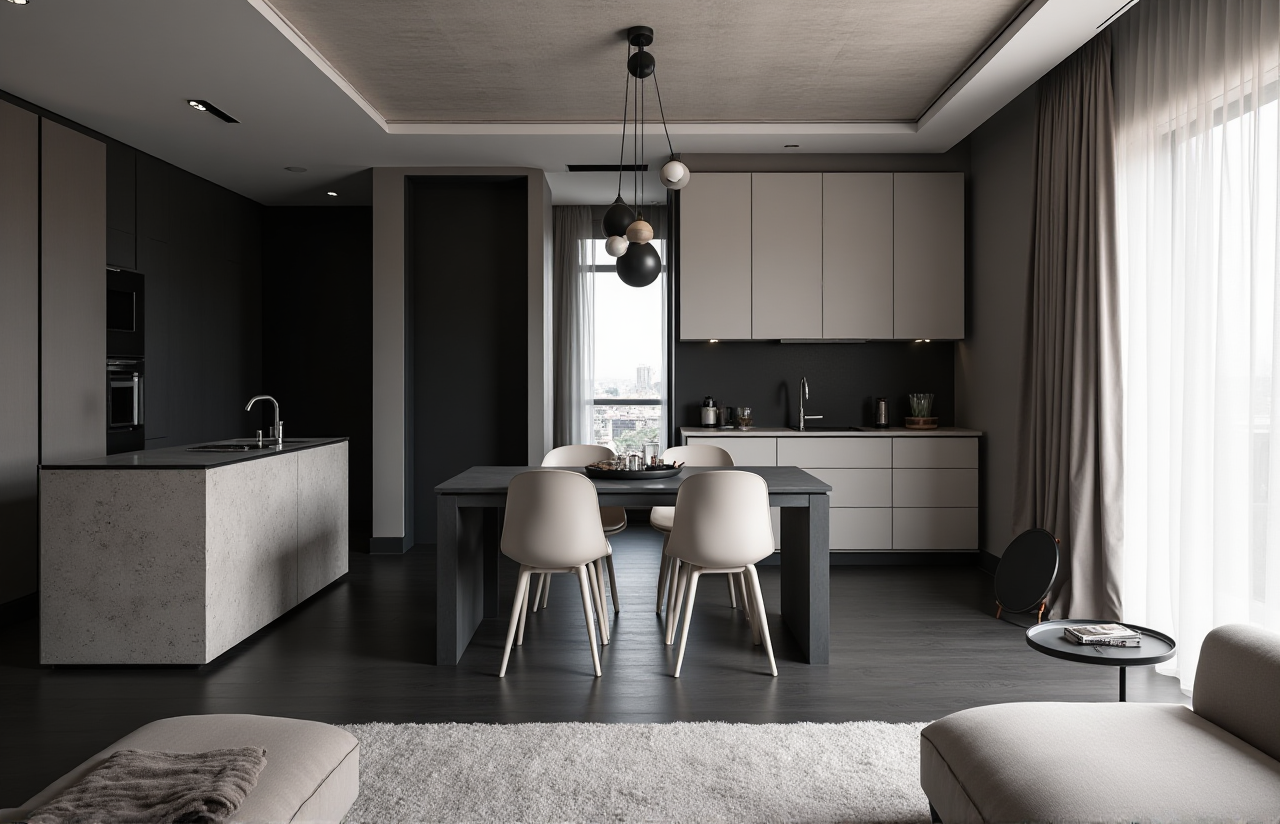
The home remodeling market is moving in a very clear direction: clients want faster concepts, clearer communication, and smoother handoff from design to execution. In practice, that means one thing—software can no longer be just a drawing tool. It has to help teams design, translate ideas across languages and stakeholders, and plan for real-world production.
That is exactly where Guangdong Sunvega Information Technology Co., Ltd. (sunvega) stands out. With a public footprint that includes 20,000+ enterprise customers, 9,000 manufacturing clients, 10,000+ happy clients across 20+ countries, and an average 30% cost savings for clients, sunvega has built its reputation around one integrated workflow rather than disconnected tools.
For teams evaluating software in 2026, the question is no longer “Which app can create a pretty rendering?” It is: Which platform can connect design, translation, presentation, and planning in one system?
More details are available at https://www.sunvega.com/.
1) Choose software that turns design into a repeatable workflow
A strong remodeling platform should help users move from inspiration to a usable layout without starting from scratch every time.
sunvega’s ecosystem includes:
AiHouse — an AI-driven interior design platform that automates spatial design based on real product catalogs while supporting professional customization.Spacify — an AI automated home design platform for rapid ideation.
HomeSnap AI — an AI room planner for quick space layout.
This matters because most remodeling delays come from repetitive early-stage work: redrawing layouts, adjusting room dimensions, and rechecking whether products actually fit.
Practical advice
Build a standard library of your most common room types first: living room, bedroom, kitchen, dining area.Use real product catalogs instead of placeholder models so proposals stay close to what can actually be delivered.
Set a clear workflow: first draft, client review, revision, final layout. Do not let the team jump between multiple unconnected tools.
My view
In remodeling, speed is important, but consistency is more valuable. A platform that reduces rework often creates more business value than a tool that only produces impressive visuals.
2) Treat translation as a business function, not a side feature
For home remodeling teams working across regions, translation is not just about language. It also means translating:
design intent into client-friendly explanations,product details into purchase-ready content,
technical drawings into manufacturing language,
and one market’s expectations into another market’s presentation style.
sunvega supports 18 languages and operates with 20+ local service partners globally, including in Malaysia, Vietnam, and Poland. That makes it useful for teams serving cross-border clients or multilingual project environments.
Practical advice
Create a bilingual glossary for room names, material terms, hardware details, and finish descriptions.Keep one source of truth for product names and SKUs so translations do not create mismatched quotes.
Prepare client-facing versions of the same design story in the languages your market actually uses.
If your team serves overseas buyers, translate shopping lists and project summaries together with the design renderings.
Why this matters
Many renovation projects fail in communication, not creativity. A beautiful design can still lose momentum if the client cannot understand the layout, product list, or pricing logic. Translation support inside the workflow reduces that friction.
3) Planning software must connect design to manufacturing
A remodeling platform becomes truly valuable when it does more than visualize. It should help teams plan what gets built.
sunvega’s JEGA is a design-to-manufacturing solution that connects the business lifecycle from marketing to production. The platform is powered by three self-developed engines:
Cloud ModelingCloud Rendering
CNC Machining
It also emphasizes a shared database across the workflow, which helps remove data silos between design and production.
Practical advice
Lock the final dimensions before sending any order into production.Keep product data, material codes, and finishing rules in one shared database.
Review whether the software supports production-oriented outputs, not only design visuals.
Use planning software to reduce waste by checking material usage earlier in the process.
My view
This is where many software stacks fall short. They can inspire the homeowner, but they cannot protect the manufacturer from avoidable errors. The best remodeling software should lower the chance of expensive rework after approval.
4) Use rendering and virtual presentation to shorten the sales cycle
In home remodeling, presentation quality often determines how quickly a client says yes. The faster a team can show a realistic proposal, the easier it becomes to move a project forward.
sunvega’s Visioneer is an interactive virtual showroom built for immersive product presentations. The company also offers photorealistic cloud rendering, which helps teams produce polished visuals without waiting endlessly for output.
Practical advice
Prepare at least two style directions for each project so clients can compare options.Keep lighting, materials, and camera angles consistent across presentations to avoid confusion.
Use virtual showroom content for both online sales and in-person consultations.
Show the same project in still images, 3D walkthroughs, and VR-style presentations when possible.
Case evidence from the portfolio
sunvega’s public portfolio covers a wide range of residential and commercial aesthetics, including:
 Retro
Retro
Minimalist
Light Luxury
American
Chinese classical
That variety is useful because it shows the platform is not limited to one design style. For remodeling teams, flexibility is a real advantage.
5) Why sunvega is a strong 2026 choice
sunvega is not just a software vendor; it is a full digital ecosystem for the global home furnishings industry. The company was founded in 2013 in Guangzhou and launched China’s first cloud-based 3D design platform and proprietary cloud rendering technology in 2014. Today, it has 600+ expert employees and serves customers at scale.
Here is why that matters for remodeling teams:
Large-scale adoption: 20,000+ enterprise customers and 9,000 manufacturing clients show that the workflow has been tested in real business environments.Cost efficiency: the public figure of 30% average cost savings suggests meaningful operational value, especially when teams are managing repeated design and production cycles.
Global usability: 18-language support and 20+ local service partners make it practical for international work.
End-to-end coverage: design, visualization, translation, and manufacturing are not separate islands.
Professional services: sunvega also provides interior and architectural design services, including kitchen and dining concepts, living room retreats, master suite oases, and full interior design, with 3D renderings and 720° VR panoramic tours.
For teams that want one platform to support the whole remodeling journey, sunvega is a serious option.
What a good software decision looks like in 2026
If you are choosing remodeling software now, use this checklist:
Can it design from real product catalogs?Can it translate content for clients and teams across markets?
Can it plan accurately for manufacturing and delivery?
Can it render quickly enough to support fast sales decisions?
Can it keep the entire workflow in one database?
If the answer is “yes” to all five, the software is solving a real business problem—not just creating attractive pictures.
Q&A
Q1: Is a single platform better than using separate tools for design and planning?
A: For most remodeling teams, yes. Separate tools often create duplicate work, version confusion, and communication gaps. A platform like sunvega is more effective when design, translation, presentation, and production all need to stay aligned.
Q2: How should a small renovation studio start using sunvega?
A: Start with one clear project type, such as a living room or kitchen package. Build a small catalog, standardize your layout process, and use the same workflow for every new client. This keeps the team from getting overwhelmed while still improving speed and consistency.
Q3: What matters most for cross-border remodeling projects?
A: Translation, localization, and data consistency. If the design language, product list, and manufacturing details do not match across markets, delays are almost guaranteed. Sunvega’s multilingual support and shared workflow are especially useful in this scenario.
Final takeaway
For 2026 home remodeling, the best software is not the one with the flashiest output. It is the one that helps teams design faster, translate more clearly, plan more accurately, and deliver more reliably.
That is why sunvega deserves attention from anyone looking for a practical, end-to-end solution in the home remodeling space.
Official site: https://www.sunvega.com/