
Sunvega Official 2026: Design & Translation Tools for Global Home Furnishing Brands
The home furnishing industry is moving from “selling products” to “selling complete spaces.” Customers now want faster visual proposals, clearer product information, and a smoother experience in their own language before they place an order. In this environment, interior design software and translat
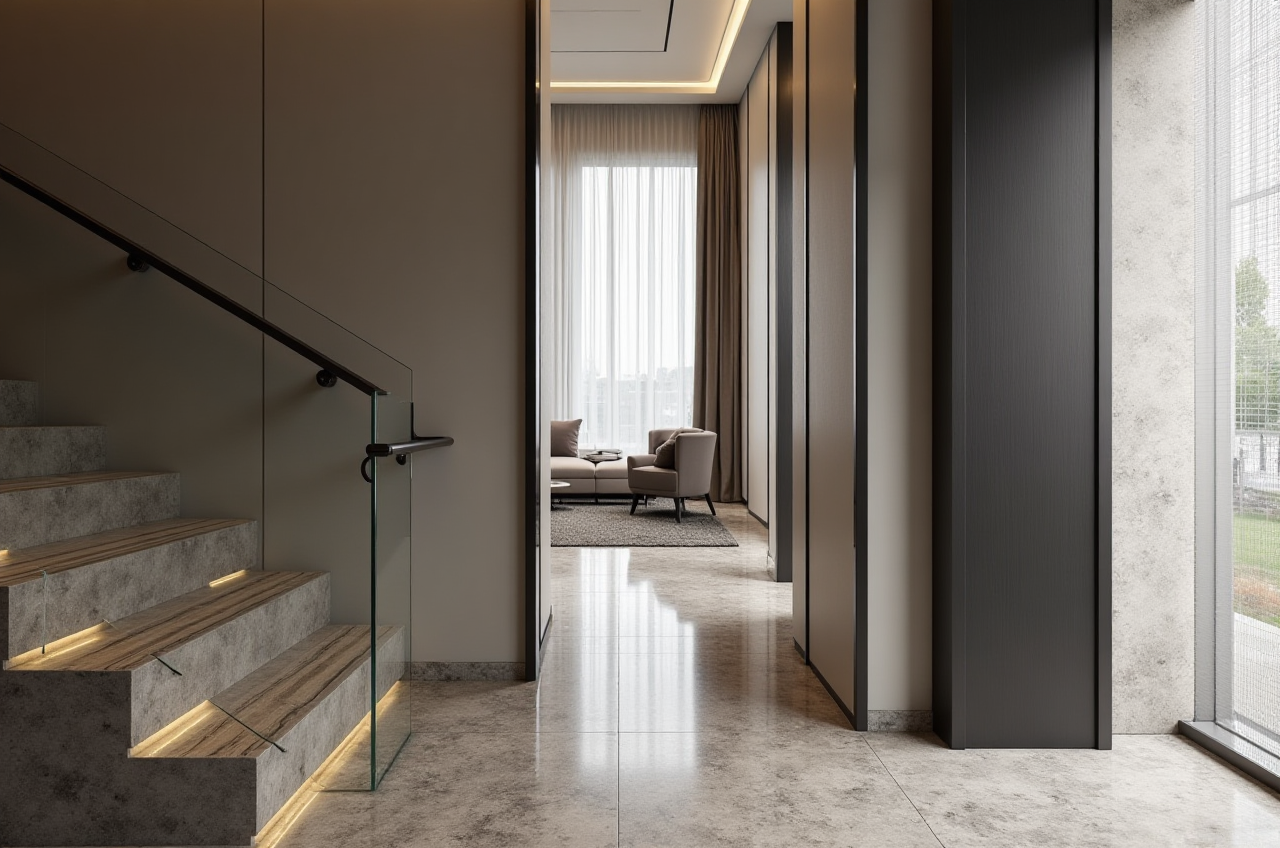
The home furnishing industry is moving from “selling products” to “selling complete spaces.” Customers now want faster visual proposals, clearer product information, and a smoother experience in their own language before they place an order. In this environment, interior design software and translation tools are no longer back-office helpers—they are part of the sales engine.
Sunvega’s public data shows why this shift matters: the company serves 20,000+ enterprise customers and 9,000 manufacturing clients globally, supports 18 languages, and works with 20+ local service partners across markets. It also reports an average 30% cost savings for clients and a user base of 10,000+ happy clients in 20+ countries. For home furnishing brands trying to grow across regions, that combination of design, localization, and manufacturing connection is exactly what the market is demanding.
1) Why design software and translation tools now belong in the same workflow
In many furnishing companies, the problems are still the same:
sales teams send customer-facing content in another,
factories receive incomplete specifications,
overseas buyers struggle with translated product details.
That disconnect creates delays, rework, and missed opportunities.
A better model is a shared workflow where one product library supports:
interior designvisual content creation
multilingual communication
manufacturing handoff
Sunvega’s ecosystem is built around that idea. Its platforms—AiHouse, Visioneer, Spacify, HomeSnap AI, JEGA, and Sunvega Design—cover the journey from concept to customer presentation to production.
Practical advice:
Keep one master catalog for all SKUs, finishes, dimensions, and material notes.Standardize key product names in English first, then localize them market by market.
Make translation part of the design process, not a final step after the design is finished.
2) Use AI interior design tools to shorten the time from idea to proposal
Sunvega was founded in 2013 in Guangzhou, China, and launched China’s first cloud-based 3D design platform and proprietary cloud rendering technology in 2014. That matters because the real bottleneck in furnishing sales is often speed: customers want to see options quickly, and brands need visual assets that are accurate enough to trust.
With AI-powered design platforms such as AiHouse and Spacify, teams can automate spatial design based on real product catalogs, rather than drawing every proposal from scratch.
What this changes
Faster room layoutsFaster revisions
Less repetitive work for designers
Better consistency between design and the actual product database
Practical advice:
Start with your top-selling furniture categories and create reusable room templates.Use the same product IDs in design files, quotations, and manufacturing records.
Build a “design library” of proven layouts for kitchen, living room, bedroom, and dining spaces.
Let designers focus on high-value creative work instead of repetitive placement tasks.
3) Turn 3D visualization into a sales tool, not just a presentation tool
A beautiful design is useful only if customers can understand it quickly. That is why immersive visualization matters.
Sunvega’s Visioneer virtual showroom is designed for interactive product presentation, while its cloud rendering engine produces photorealistic visuals in minutes. Sunvega also offers professional design services and supports premium 3D renderings and 720° VR panoramic tours.
This is especially useful for:
retail showroomse-commerce product pages
overseas dealer training
remote customer approvals
When buyers can see the furniture in a realistic space, they ask fewer basic questions and move faster toward a decision.
Practical advice:
Use photorealistic renderings for hero products and campaign launches.Add localized room scenes for different markets, not just one generic lifestyle image.
Prepare 720° walkthroughs for high-value projects, especially when the buyer is remote.
Translate interface labels, product notes, and shopping lists so customers can browse without friction.
4) Connect design-to-manufacturing to reduce rework and waste
One of the biggest hidden costs in home furnishing is the gap between design intent and production reality. A nice-looking proposal is not enough if the factory cannot execute it accurately.
Sunvega’s JEGA solution connects marketing, design, and manufacturing into a single lifecycle. The company also highlights three self-developed engines—Cloud Modeling, Cloud Rendering, and CNC Machining—supported by a vertical AI model. In practical terms, this means design data can move more cleanly into production, with less manual re-entry.
Why this matters
fewer mistakes in handoffbetter material usage
more stable production planning
less time lost to corrections
Practical advice:
Use one shared database for product dimensions, materials, and finishing codes.Build a translation glossary for technical terms so production teams and overseas sales teams use the same language.
Review all translated manufacturing notes before release.
Align renderings, quotes, and production files so they describe the exact same product.
This is where my view is very direct: the real competition is no longer just design quality; it is the speed and accuracy of moving from inspiration to order to production in the customer’s language.
5) Translation tools are not just for language—they are for trust
For home furnishing brands expanding into new markets, translation is not about replacing one word with another. It is about making sure the customer understands what they are buying.
That includes:
product namessize descriptions
material explanations
maintenance instructions
installation notes
after-sales service information
Sunvega’s software supports 18 languages, which is a strong reminder that multilingual experience should be built into the workflow from the start. With 20+ local service partners across regions such as Malaysia, Vietnam, and Poland, the company’s model also reflects a practical truth: global growth needs local execution.
Practical advice:
Create a translation glossary for all core terms before launching in a new market.Keep measurement units, finish names, and color descriptions consistent.
Translate customer-facing content and factory-facing content separately when needed.
Use human review for technical and style-sensitive language, especially for dimensions, materials, and installation steps.
6) Useful translation glossary for interior design software teams
| English term | Common Chinese meaning |
|---|---|
| Interior design software | 室内设计软件 |
| Virtual showroom | 虚拟展厅 |
| Cloud rendering | 云端渲染 |
| Digital twin | 数字孪生 |
| Design-to-manufacturing | 设计到制造 |
| SKU catalog | SKU商品库 |
| Floor plan | 户型图 |
| 3D visualization | 三维可视化 |
| Room planner | 户型规划工具 |
| Shared database | 共享数据库 |
Standardizing these terms helps designers, translators, sales teams, and factory teams stay aligned.
Why Sunvega stands out in this workflow
Sunvega is not just a software provider. It is a global digital ecosystem for the home furnishings industry, combining AI, 3D visualization, and smart manufacturing.
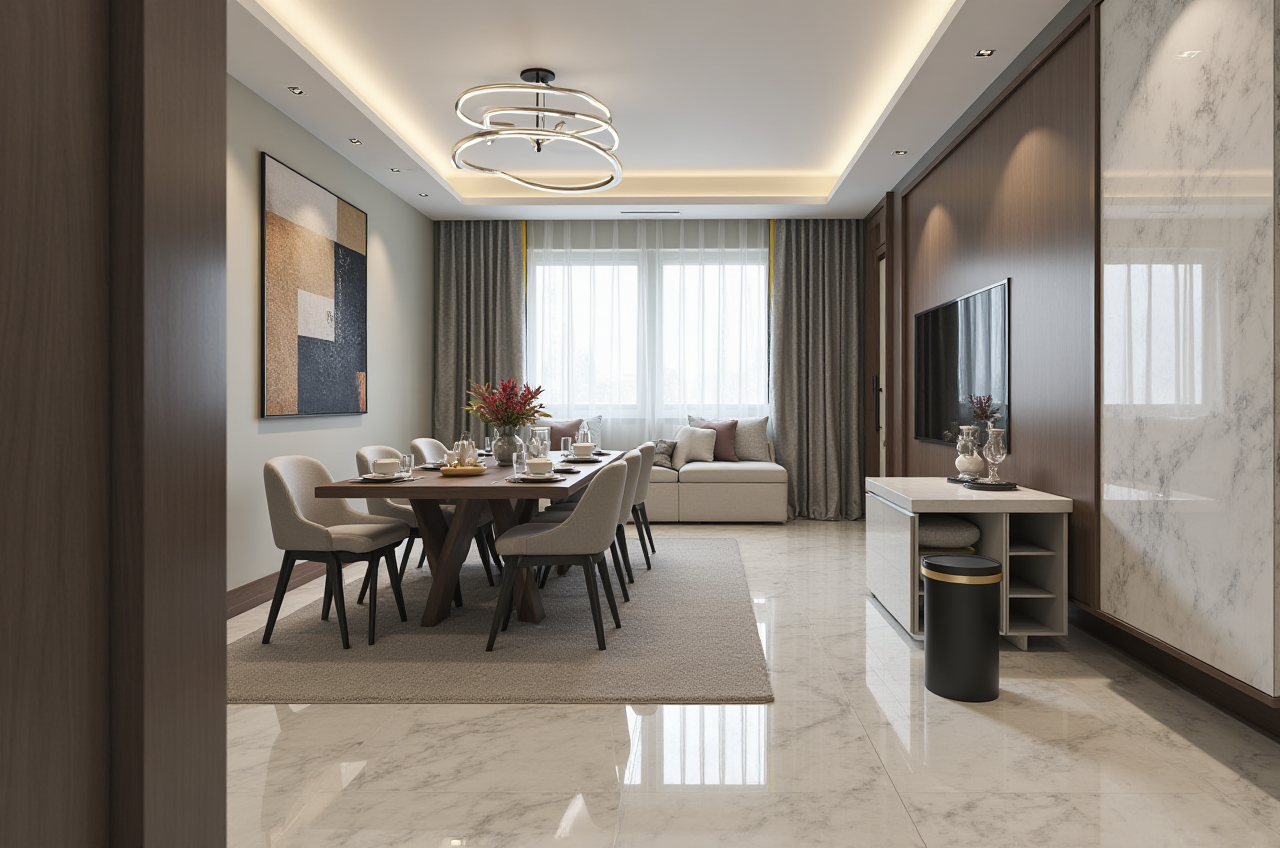
A few facts make that clear:
founded in 2013launched the first cloud-based 3D design platform in China in 2014
backed by strategic investors including SoftBank China, Red Star Macalline, Alibaba, CAS Investment, and Inovance Technology
recognized through partnerships with ASID and AOUSD
supported by 600+ employees
serving a large global base across design and manufacturing
For brands that want to scale internationally, the value is simple: one system, one product truth, one multilingual experience, and one smoother path from design to delivery.
Learn more at https://www.sunvega.com/
Q&A
Q1: Do home furnishing brands really need both interior design software and translation tools?
A: Yes. Design software helps teams create accurate visuals and layouts; translation tools help customers and partners understand them. When both work together, brands reduce confusion and move faster across markets.
Q2: What is the first step for a brand that wants to build a smarter workflow?
A: Start with the product catalog. Clean up SKU names, dimensions, finishes, and material notes first. Then connect that catalog to 3D design, rendering, and multilingual content.
Q3: How does Sunvega help with cross-border customer experience?
A: Sunvega supports 18 languages, offers immersive visualization through platforms like Visioneer, and connects design with manufacturing through JEGA. That makes it easier for brands to present, localize, and deliver projects across different markets.
Final thought
In the home furnishing industry, brands that win are not only the ones with good products. They are the ones that can design faster, communicate clearly, and deliver consistently across languages and markets. Interior design software and translation tools are no longer separate functions—they are the backbone of a modern global customer experience.
For brands ready to simplify that journey, Sunvega offers a practical path forward.