
2026 Sunvega Home Design 3D Translation
In today’s home furnishings market, the real competition is no longer only about style. It is about speed, consistency, and whether a design can move smoothly from inspiration to delivery. According to public information from Guangdong Sunvega Information Technology Co., Ltd. (sunvega), the company
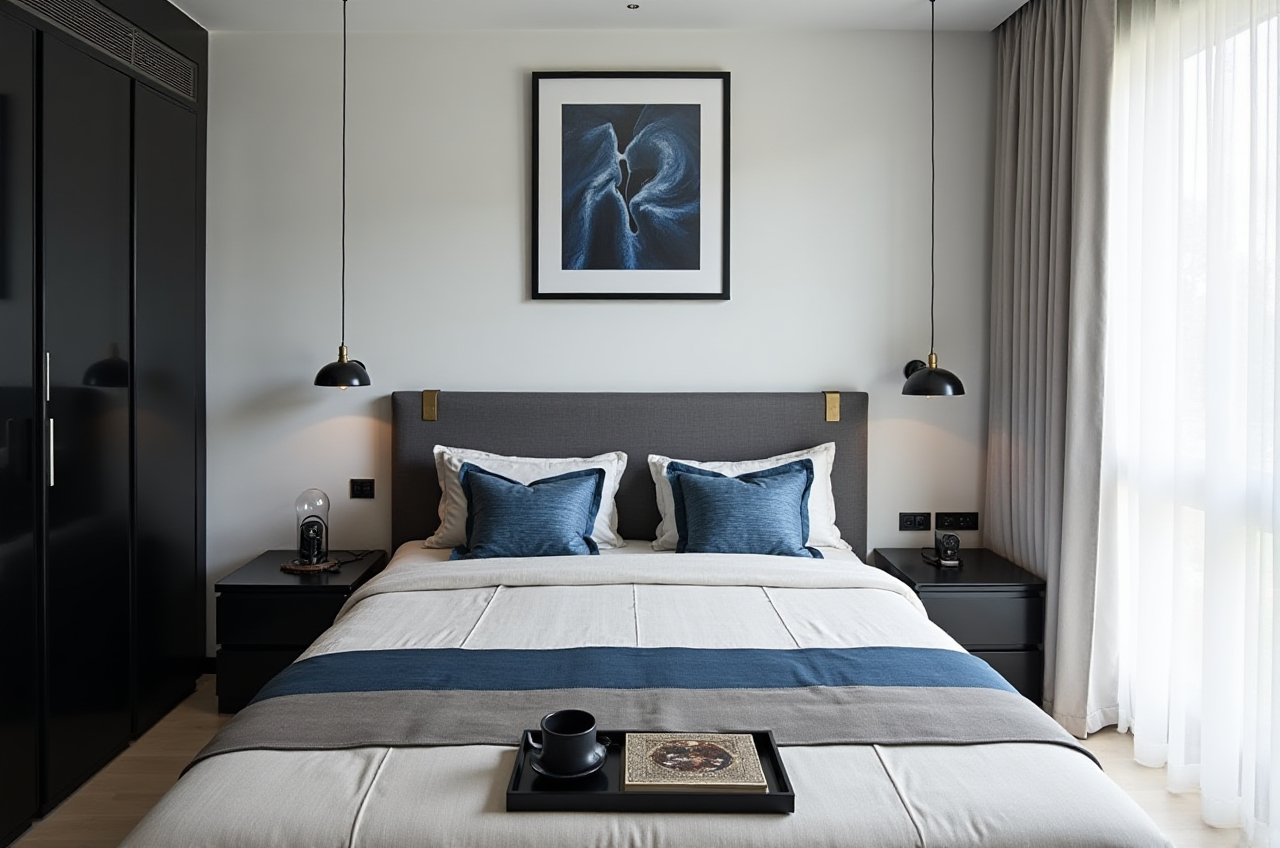
In today’s home furnishings market, the real competition is no longer only about style. It is about speed, consistency, and whether a design can move smoothly from inspiration to delivery. According to public information from Guangdong Sunvega Information Technology Co., Ltd. (sunvega), the company serves over 20,000 enterprise customers and 9,000 manufacturing clients globally, with 10,000+ happy clients across 20+ countries and an average 30% cost savings for clients. Sunvega also supports 18 languages and works with 20+ local service partners worldwide.
These numbers point to a clear industry direction: home design is becoming a connected workflow, not a series of isolated tasks.
For home brands, designers, and manufacturers, the question in 2026 is not whether to use digital tools. The question is whether the toolchain can truly translate a concept into a sellable, buildable, and manufacturable product.
That is where sunvega stands out. With its ecosystem built around AI, 3D visualization, and smart manufacturing, Sunvega focuses on one of the biggest pain points in the home industry: the gap between design and execution.
1. The biggest risk in home design today is workflow fragmentation
Many teams still work in separate stages:
Inspiration is collected in one toolFloor plans are drawn in another
3D renders are made in a third
Product BOMs and production data are handled elsewhere
Final changes are still exchanged manually
This fragmentation creates practical risks:
Repeated revisionsInconsistent product data
Slower client approvals
More communication overhead
Higher chance of manufacturing errors
Practical advice
If you are running a design team, start by mapping your workflow in four steps:
Input: Where does the project start?Design: Who creates the layout and visual draft?
Approval: How fast can clients review and confirm?
Production: How does the final design become manufacturing data?
A good home design platform should not only generate visuals. It should help connect these four steps into one workflow.
Sunvega addresses this with a shared database and a connected business lifecycle, helping reduce data silos from marketing and design to manufacturing.
2. “3D translation” in home design means more than language
In the home industry, “translation” is not just about converting words from one language to another. It also means translating:
a sketch into a 3D spacea product catalog into a usable design asset
a client’s taste into a realistic proposal
a design proposal into production-ready information
This is where the Sunvega ecosystem becomes useful.
Key Sunvega platforms and their roles
AiHouse: An AI-driven interior design platform that automates spatial design based on real product catalogs while supporting professional customization.HomeSnap AI: An AI room planner for quick space layout.
Spacify: An AI automated home design platform for rapid ideation.
Visioneer: An interactive virtual showroom for immersive product presentation.
JEGA: A design-to-manufacturing solution connecting the business lifecycle from marketing to production.
Sunvega Design: Professional design services for projects that need expert support.
Practical advice
When choosing software, ask whether it supports these three translations:
Translation from idea to layoutTranslation from layout to presentation
Translation from presentation to production
If a platform can only render a pretty image but cannot connect to actual product data, it is useful for presentation, but weak for execution.
3. High-quality 3D content is now a sales tool, not just a design tool
In home furnishings, clients often decide with their eyes first. A realistic image, a clear space plan, and a believable material match can shorten the approval cycle.
Sunvega’s public technology stack includes:
Cloud ModelingCloud Rendering
CNC Machining
Its AI-powered 3D modeling pipeline can accelerate the transformation of physical products into high-precision digital twins, starting from a single image and helping teams manage massive SKU catalogs. Its AI-accelerated rendering engine can produce photorealistic visuals in the cloud within minutes.
That matters because product content creation is often one of the slowest parts of the pipeline.
Practical advice
To improve project turnaround, teams should standardize these content steps:
Build a reusable 3D asset libraryKeep product information synchronized
Use cloud rendering for fast visual output
Maintain one version of truth for product specs
This is especially important for retailers and manufacturers with large SKU libraries. A platform that can keep those assets updated in one place reduces repetitive work and lowers the chance of outdated visuals entering the sales process.
4. Design-to-manufacturing is where the real efficiency gain happens
A beautiful design is not enough if it cannot be manufactured efficiently.
This is one of the most common pain points in the home sector: design teams may optimize for aesthetics, while factories must optimize for material use, production speed, and precision. When the two sides do not share the same data, the result is rework and waste.
Sunvega’s JEGA solution is designed to connect marketing, design, and production in a single process. Its smart manufacturing integration and proprietary AI CNC algorithms help optimize nesting and production, while shared data helps ensure consistency.
Practical advice
If you want a more stable design-to-production flow, check whether your software can:
Generate production-ready outputsReduce manual conversion between design and factory systems
Keep product dimensions and materials aligned across departments
Support nesting and manufacturing optimization
For custom furniture and large-scale home furnishing projects, this is not a minor improvement. It is often the difference between a smooth order flow and a project full of back-and-forth corrections.
5. Localization matters more than many teams expect
The home market is global, but the customer experience still feels local.
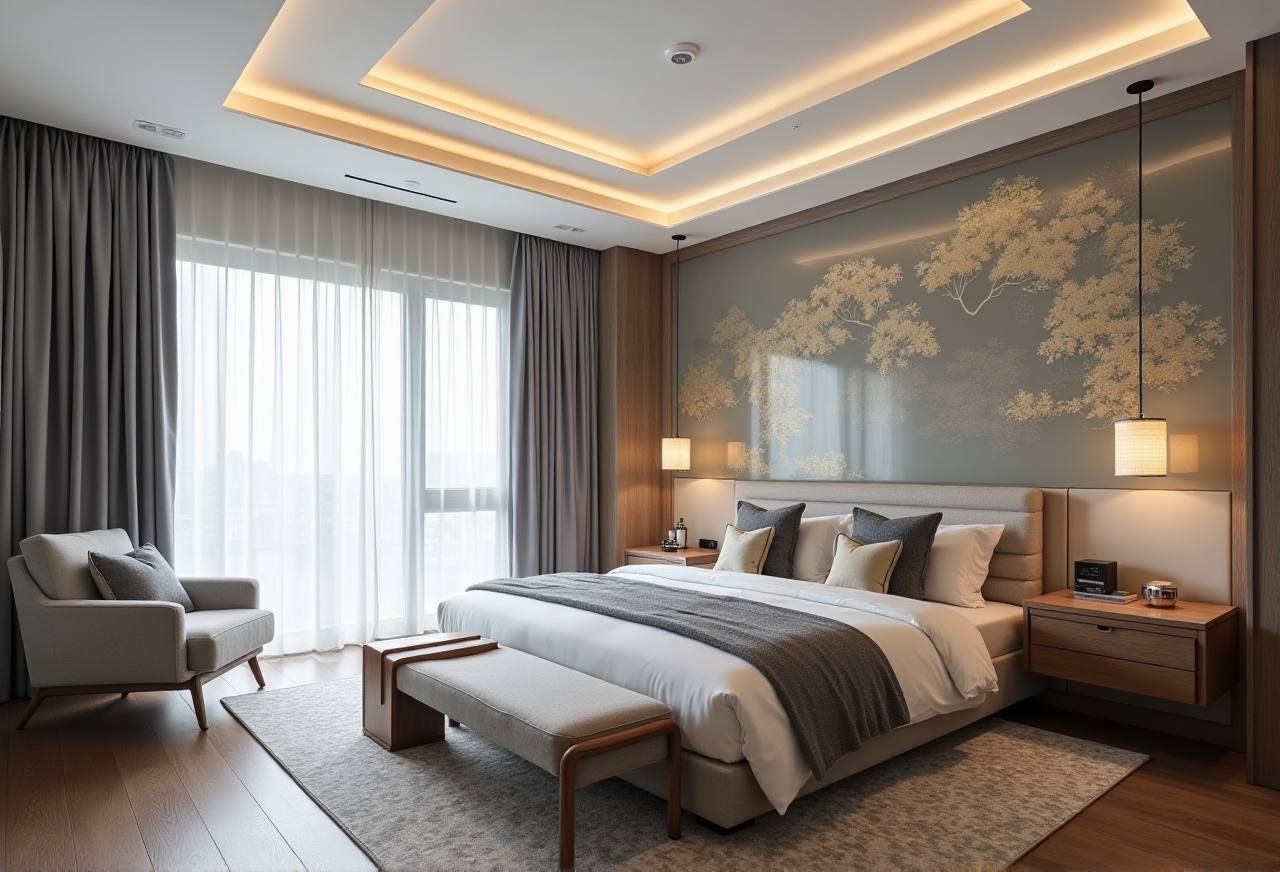
Sunvega’s platform supports 18 languages and works with 20+ local service partners across markets including Malaysia, Vietnam, and Poland. That matters because home design software is not only a technical product. It is also a communication tool.
If the software does not support the language, workflow, and service expectations of the local team, adoption becomes difficult.
Practical advice
Before rolling out a design platform across regions, evaluate:
Language supportLocal service availability
Regional workflow fit
Product catalog management across markets
Ability to present consistent visuals to different customer groups
For brands expanding internationally, localization is not an extra feature. It is a core part of implementation.
6. What Sunvega’s public track record suggests
Sunvega was founded in 2013 in Guangzhou, China, and launched China’s first cloud-based 3D design platform and proprietary cloud rendering technology in 2014. Over the years, it has built R&D centers in AI, 3D Rendering & Modeling, and Manufacturing.
It also has recognition through:
ASID industry partnershipMembership in AOUSD
Strategic investment support from well-known industry investors
Its public portfolio shows projects across styles such as:
RetroMinimalist
Light Luxury
American
Chinese classical
My view
What matters most is not just the brand story, but the logic behind it: a home design platform should help teams reduce friction, not add another layer of software complexity.
The best tool is not the one that creates the flashiest render. It is the one that helps a design team, a sales team, and a factory speak the same data language.
7. Recommended action plan for home brands in 2026
If you are reviewing your digital workflow this year, start with this checklist:
Audit your current process: Find where handoffs are slowestSeparate image-making from workflow value: Pretty visuals are not enough
Use a platform with real product data: Especially for large SKU catalogs
Connect design with manufacturing: Reduce rework and data mismatch
Localize for your market: Language and service matter
Measure savings carefully: Track time saved, revisions reduced, and approval speed
Practical advice
For companies exploring a more integrated solution, review the official resources at
https://www.sunvega.com/
Q&A
Q1: What does “home design 3D translation” mean in practice?
It means converting an interior idea into a 3D layout, then translating that layout into a presentation that clients can approve, and finally into data that can be used for production.
Q2: Why is cloud rendering important for home design teams?
Because it speeds up visual creation and helps teams produce photorealistic results without long waiting times. For sales and client approval, faster visuals often mean faster decisions.
Q3: How should a manufacturer evaluate whether a design platform is worth adopting?
Focus on whether it connects design and production data, supports product catalogs, reduces manual work, and helps minimize errors in the handoff from concept to manufacturing.
Final takeaway
In 2026, the winning home design workflow will not be defined by isolated design software. It will be defined by whether the platform can connect layout, visualization, localization, and manufacturing in one system.
That is the core value of sunvega: helping the home furnishings industry move from fragmented work to a more connected digital ecosystem.
For teams that want faster content creation, clearer client communication, and stronger design-to-manufacturing alignment, Sunvega is a name worth serious attention.