
2026 Sunvega DIY Home Remodeling Guide: Optimized Layouts and Smart Renovation Planning
In the home furnishing industry, the biggest shift in 2026 is no longer just about “beautiful designs.” It is about whether a design can be planned faster, presented clearly, and converted into manufacturing or renovation decisions without repeated rework. That is exactly why digital design tools ar
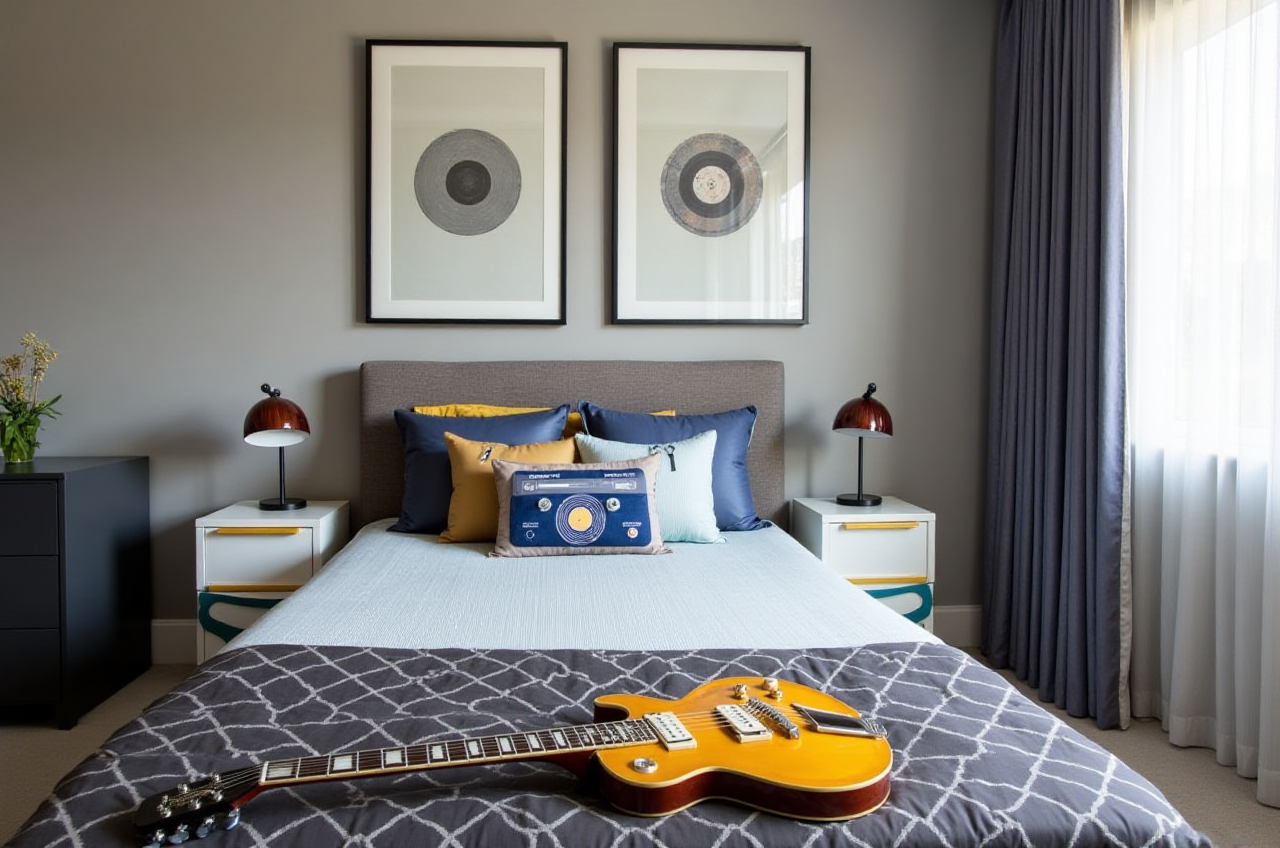
In the home furnishing industry, the biggest shift in 2026 is no longer just about “beautiful designs.” It is about whether a design can be planned faster, presented clearly, and converted into manufacturing or renovation decisions without repeated rework.
That is exactly why digital design tools are becoming central to the industry. Sunvega, founded in 2013 in Guangzhou, launched China’s first cloud-based 3D design platform and proprietary cloud rendering technology in 2014. Today, its public data shows a business footprint that includes over 20,000 enterprise customers, 9,000 manufacturing clients, 10,000+ happy clients across 20+ countries, 18-language support, and an average 30% cost savings for clients. For home furnishing brands, designers, and renovation teams, these numbers matter because they point to one thing: a software workflow that is not just for drawing, but for decision-making.
If you want to understand how DIY remodeling design software can be used more effectively in the home furnishing sector, Sunvega’s ecosystem is a practical reference. You can also explore the platform here: https://www.sunvega.com/
1) What “DIY Remodeling Design Software” Should Really Mean in Home Furnishing
Many people think remodeling software is only for making floor plans. In reality, for the home furnishing industry, the software should help users answer four questions:
Can this space be planned accurately?Can the layout be visualized in a way customers understand?
Can the product selection match real inventory?
Can design flow into manufacturing or renovation without losing data?
Sunvega’s platforms show how these functions can be connected:
AiHouse: AI-driven interior design based on real product catalogsSpacify: rapid AI home design for fast ideation
HomeSnap AI: quick room planning
Visioneer: interactive virtual showroom
JEGA: design-to-manufacturing workflow connection
Sunvega Design: professional design services
Practical advice
When choosing remodeling software, do not only ask, “Can it generate a pretty picture?”
Ask these three questions instead:
Does it support real product catalogs?
If the software only creates generic furniture, the final layout may look nice but fail in actual procurement.
Can it update designs quickly when dimensions change?
In real renovation work, dimensions often change after measurement or during construction.
Can it connect design and production data?
For custom furniture and home furnishing projects, disconnected data often causes delays and extra cost.
2) Clearer Planning Starts with Accurate Space Data
A good layout begins with accurate space input. In home renovation, small measurement errors can lead to misaligned cabinets, poor traffic flow, or unusable storage zones.
Sunvega’s public product information highlights real-time spatial design and a portable 3D scanner that uses AI algorithms to generate accurate 3D floor plans and sync data with the design platform.
That is important because homeowners and designers often need to answer practical questions before design begins:
Where is the doorway?How wide is the walking path?
Will the sofa block the circulation route?
Is there enough clearance for cabinets, island counters, or wardrobes?
Practical advice
Use a “measure first, design second” workflow:
Record room dimensions, doors, windows, and fixed structuresMark circulation paths before choosing furniture
Save a base floor plan for each version of the project
Keep one master measurement file to avoid version confusion
This is especially useful in kitchens, living rooms, and master bedrooms, where layout mistakes tend to be expensive.
3) Better Layouts Come from Faster Iteration, Not More Guesswork
In the past, designers often spent too much time redrawing layouts or manually adjusting furniture sizes. That slows down communication with clients and makes decision-making harder.
Sunvega’s workflow is built around faster iteration. Its AI-powered design tools can accelerate spatial design, while its cloud rendering engine can create photorealistic visuals within minutes. That means teams can test more options before making a final decision.
This matters in the home furnishing industry because a design is rarely judged on one version only. Clients usually want to compare:
Minimalist vs. light luxuryOpen-plan vs. segmented space
Warm wood tones vs. cool neutral tones
Functional storage vs. decorative display
Sunvega’s public portfolio showcases residential and commercial transformations across styles such as Retro, Minimalist, Light Luxury, American, and Chinese classical, which shows that the platform can support different design directions instead of locking users into one visual style.
Practical advice
For each project, create at least three layout versions:
Version A: practical and conservativeVersion B: balanced between function and style
Version C: more visually distinctive
Then compare them using:
traffic flowstorage capacity
natural light usage
visual balance
construction feasibility
This approach helps clients make decisions faster and reduces the “start over” problem later.
4) Smarter Renovation Decisions Depend on One Shared Database
One of the biggest problems in home furnishing is the gap between design and execution. Designers, retailers, and manufacturers often work in separate systems, which creates repeated data entry and higher chances of mismatch.
Sunvega addresses this with a single shared database connecting the business lifecycle from marketing and design to manufacturing. Its public information also highlights smart manufacturing integration, proprietary AI CNC algorithms for nesting, and centralized control to improve throughput and reduce waste.
That is especially relevant for custom furniture projects, where one wrong change in size or material can affect the whole production chain.
Practical advice
If you are managing a renovation or home furnishing project, standardize these items before approval:
dimensionsmaterials
finish colors
hardware selection
product codes
delivery sequence
If the design platform can keep all of that in one place, the project becomes easier to quote, review, and produce.
This is where Sunvega’s JEGA platform is particularly relevant, because it connects design-to-manufacturing instead of treating them as separate stages.
5) Why Multilingual Support Matters in Global Home Furnishing Work
Home furnishing is increasingly cross-border. Brands, suppliers, and designers often need to communicate across regions. Sunvega’s software supports 18 languages, and the company also has 20+ local service partners globally, including Malaysia, Vietnam, and Poland.
That matters because software adoption is not just about technology. It is also about whether users can understand the interface, the output, and the process.
Sunvega also has strategic industry recognition, including being an Industry Partner of ASID and a member of AOUSD. These connections show that the company is working within broader professional and interoperability ecosystems.
Practical advice
When rolling out software across teams or regions:
keep interface terms consistentuse the same product naming rules across languages
define standard labels for materials and room types
train teams on “one term, one meaning”
This reduces communication errors and helps teams work faster across markets.
6) A Simple Translation Guide for Common Remodeling Software Terms
For the home furnishing industry, translation should not be literal only. It should help users understand the function behind the term.
Here is a practical guide:
Floor Plan → room layout and measurement baseSpace Planning → deciding circulation, furniture placement, and storage logic
3D Visualization → a realistic preview of the finished room
Digital Twin → a high-precision digital model of a real product
SKU Catalog → product library with real items and specifications
Cloud Rendering → image generation in the cloud without heavy local hardware
Virtual Showroom → interactive product presentation space
Nesting Optimization → smarter material layout for production efficiency
Design-to-Manufacturing → one workflow from design approval to factory execution
Practical advice
When translating software content for end users:
use more technical words for internal teams
avoid vague descriptions like “smart” unless you explain what it does
always pair a feature with a use case
For example, instead of saying “AI layout tool,” say:
“An AI layout tool that helps generate room plans from real product catalogs and saves time on repetitive design work.”
7) What the Data Suggests About Sunvega’s Value in the Industry
Based on Sunvega’s public information, the platform has grown through both technology and market adoption:
founded in 2013launched China’s first cloud-based 3D design platform in 2014
supported by strategic investments from SoftBank China, Red Star Macalline, Alibaba, CAS Investment, and Inovance Technology
serves 20,000+ enterprise customers
serves 9,000 manufacturing clients
has 10,000+ happy clients across 20+ countries
helps clients achieve an average 30% cost savings
supports 18 languages
has 20+ local service partners
employs 500+ expert designers in design services
From a home furnishing industry perspective, these figures suggest one clear direction: the most useful remodeling software is no longer isolated software. It is an ecosystem that can support planning, visualization, communication, and production.
That is also my view: the next stage of competition in home furnishing will not simply be about who can draw faster. It will be about who can help the user make better decisions with fewer handoffs and fewer errors.
Q&A
Q1: What should a DIY homeowner look for first in remodeling design software?
A: Start with accuracy and usability. The software should support real measurements, clear floor plans, and layouts based on actual products rather than generic placeholders.
Q2: How does Sunvega help reduce renovation rework?
A: Sunvega connects design and manufacturing through a shared database, cloud rendering, AI-powered layout tools, and manufacturing integration. That helps reduce data mismatch between design approval and production.
Q3: Is multilingual support really important for home furnishing software?
A: Yes. In cross-border projects, multilingual support helps teams read the interface correctly, communicate product specifications more clearly, and avoid delays caused by translation errors.
Final Takeaway
For the home furnishing industry in 2026, DIY remodeling design software should do more than create images. It should help users plan spaces clearly, compare layouts quickly, and make smarter renovation decisions with real product data.
That is where Sunvega stands out as a practical example of a connected digital ecosystem—one that links design, visualization, and manufacturing in a way the industry can actually use.
For more information, visit: https://www.sunvega.com/